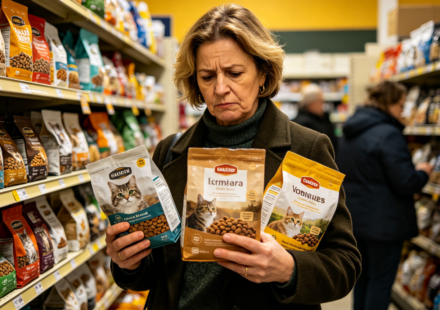
7 Costly Mistakes When Choosing Food for Senior Cats
As cats grow older, their nutritional needs change significantly. A diet that worked perfectly during adulthood may no longer provide the right balance of nutrients for an aging feline. Unfortunately, many owners unknowingly make feeding mistakes that…
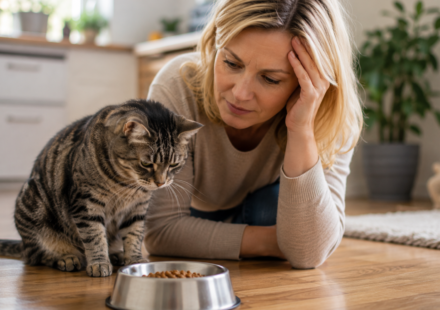
Why Is My Cat Not Eating? Common Causes and Effective Solutions
A cat that suddenly stops eating can quickly become a source of concern for any pet owner. While some cats may occasionally skip a meal, a prolonged loss of appetite can signal an underlying health or behavioral issue. Because cats are particularly…
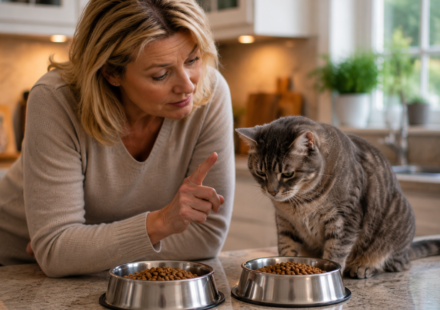
7 Mistakes When Switching a Senior Cat’s Diet and How to Avoid Them
As cats enter their senior years, their nutritional needs often change. Health conditions, reduced activity levels, dental issues, and aging organs may require adjustments to their diet. However, changing a senior cat’s food incorrectly can lead to…
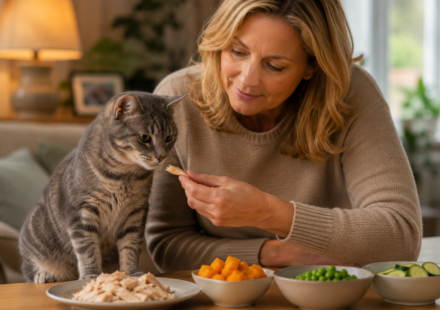
6 Dangerous Foods You Must Never Feed Senior Cats for Their Safety and Health
Feeding senior cats requires extra care, as their aging bodies are more sensitive to toxins, digestive issues, and organ stress. While it may be tempting to share human food with your furry companion, certain foods can be extremely harmful—even fatal.…
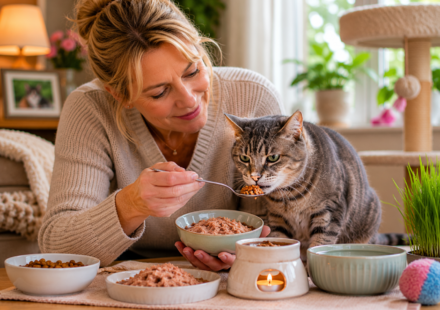
7 Practical Tips to Improve Your Senior Cat’s Appetite and Encourage Healthy Eating
Maintaining a healthy appetite in senior cats is essential for their overall health and well-being. As cats age, they often experience decreased appetite due to dental issues, digestive changes, reduced mobility, or underlying medical conditions. Owners…
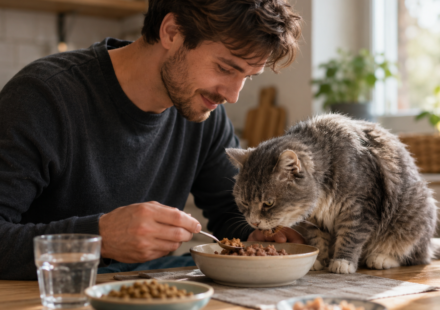
6 Basic Rules for Feeding Senior Cats Correctly and Keeping Them Healthy
As cats grow older, their nutritional needs begin to change. Senior cats often become less active, develop sensitive digestion, or face health conditions that require special dietary care. Feeding an aging cat properly is one of the most important ways…
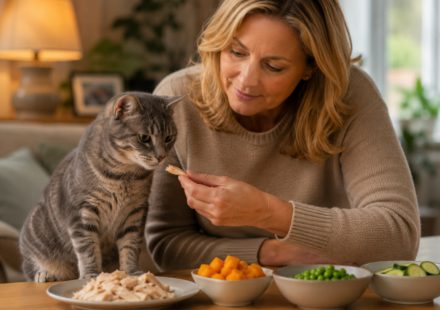
What Human Foods Can Senior Cats Eat Safely? A Helpful Guide for Owners
As cats grow older, many owners become more careful about their pet’s diet and nutrition. Senior cats often develop sensitive stomachs, dental issues, or health conditions that affect appetite and digestion. While cat food should always remain the main…
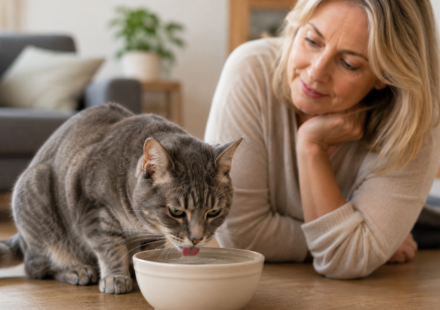
Senior Cat Drinking More Water: Should You Worry About Their Health?
As cats grow older, owners often begin noticing small changes in their daily habits. One of the most common concerns is increased drinking. If your senior cat suddenly seems to spend more time at the water bowl, it may leave you wondering whether it is…
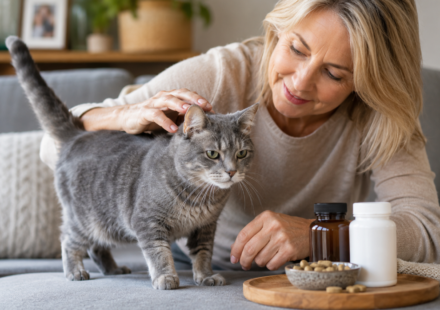
Top Joint Supplements for Senior Cats to Reduce Pain and Improve Movement
As cats grow older, joint problems become increasingly common. Many senior cats experience stiffness, arthritis, and reduced mobility that can make everyday activities more difficult. Jumping onto furniture, climbing stairs, or even walking across the…
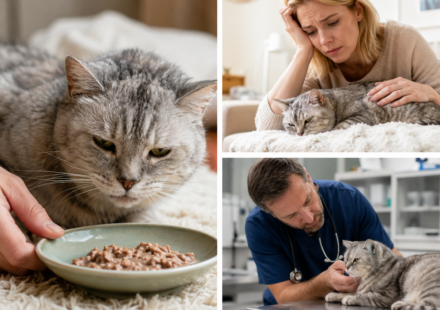
Senior Cat Not Eating? Common Causes and Simple Solutions Every Owner Should Know
It can be worrying when a senior cat suddenly loses interest in food. Older cats often have different nutritional and medical needs compared to younger cats, and changes in appetite may signal anything from minor discomfort to a more serious health…