








































How Aging Affects Your Cat’s Body, Brain, and Daily Behavior
Just like humans, cats experience many physical and mental changes as they grow older. While some changes are a normal part of aging, others may signal health problems that require veterinary attention. Understanding how aging affects your cat’s body, brain, and daily behavior allows you to provide better care and improve their quality of life.
Here’s what every cat owner should know about the aging process.
1. Physical Changes Become More Noticeable
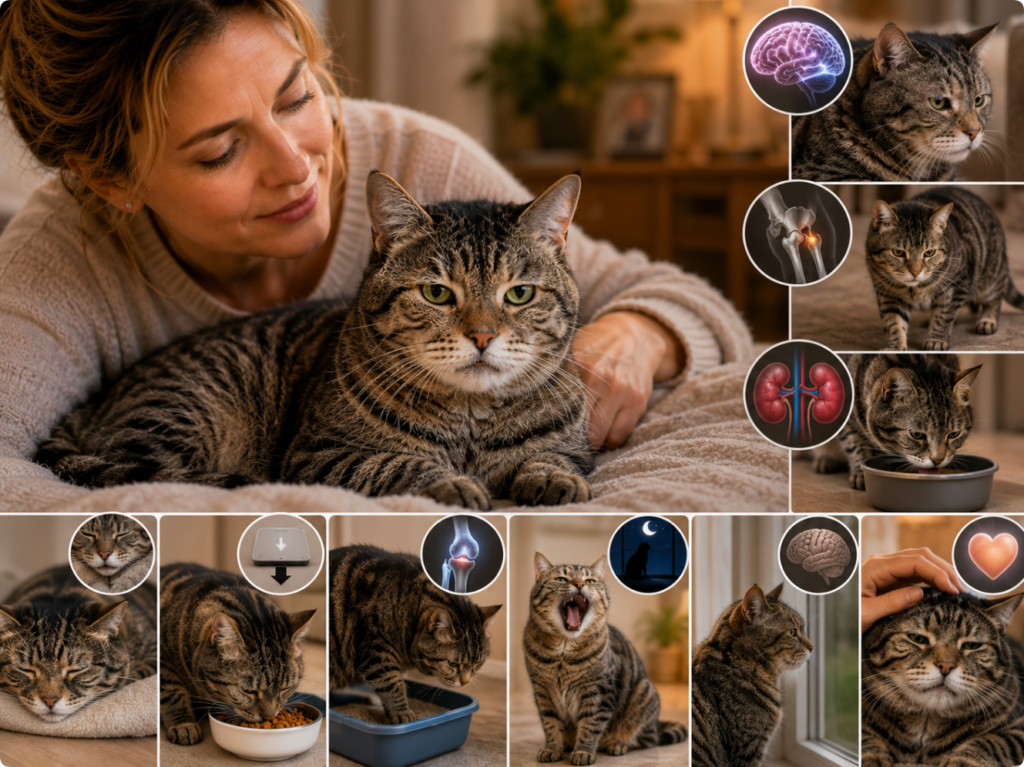
As cats age, their metabolism slows down and muscle mass gradually decreases. Many senior cats become less agile, jump less frequently, and spend more time resting.
Arthritis is one of the most common age-related conditions, causing stiff joints and reduced mobility. You may notice your cat hesitating before jumping onto furniture or avoiding stairs altogether.
Older cats may also develop thinner coats, duller fur, and changes in body weight due to reduced activity or underlying health conditions.
2. The Brain Ages Too
Aging doesn’t only affect the body—it also changes how the brain functions. Some senior cats develop Feline Cognitive Dysfunction (FCD), a condition similar to dementia in humans.
Common signs include:
- Confusion or disorientation
- Wandering aimlessly
- Staring at walls
- Forgetting the location of the litter box
- Increased nighttime vocalization
- Changes in sleep patterns
Although cognitive decline cannot always be prevented, early recognition allows owners and veterinarians to manage symptoms more effectively.
3. Changes in Daily Behavior
Many behavioral changes are completely normal during the senior years.
Older cats often:
- Sleep longer each day
- Play less frequently
- Become more affectionate—or sometimes more withdrawn
- Prefer quiet, comfortable resting places
- Avoid climbing or jumping
- Become more sensitive to changes in routine
These changes usually happen gradually rather than overnight.
4. Appetite and Drinking Habits May Change
Some senior cats eat less because of dental disease or reduced appetite, while others eat more due to conditions such as hyperthyroidism or diabetes.
Water consumption may also increase, particularly in cats with kidney disease or diabetes. Monitoring eating and drinking habits is one of the easiest ways to detect health problems early.
5. The Senses Gradually Decline
Vision, hearing, and even the sense of smell may become less sharp with age. A cat that once confidently explored every corner of the house may now move more cautiously or become startled more easily.
Keeping furniture in familiar locations and avoiding unnecessary household changes can help older cats feel more secure.
6. Health Monitoring Becomes More Important
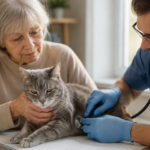
Because cats naturally hide illness, regular veterinary examinations are essential during the senior years. Routine blood tests, dental exams, weight monitoring, and blood pressure checks can identify age-related diseases before obvious symptoms develop.
Early treatment often improves both lifespan and quality of life.
Helping Your Senior Cat Thrive
Although aging cannot be stopped, you can help your cat remain healthy by providing:
- A balanced senior cat diet
- Fresh water at all times
- Daily gentle exercise and interactive play
- Comfortable orthopedic bedding
- Easy access to litter boxes, food, and water
- Regular veterinary checkups
- Plenty of love, patience, and predictable routines
Conclusion
Aging changes nearly every aspect of a cat’s life, from physical strength and mental function to daily habits and social behavior. While many of these changes are perfectly normal, others may indicate medical conditions that benefit from early diagnosis.
By understanding the aging process and responding to your cat’s changing needs, you can help your beloved companion enjoy a comfortable, active, and fulfilling life throughout their golden years.
Related posts:
 Common Health Problems in Senior Cats and Warning Signs Every Owner Should Know
 Why Does Your Cat Follow You to the Bathroom Every Morning? Common Reasons Explained
 6 Harmful Habits That Shorten Senior Cats’ Lifespan: Dangerous Daily Mistakes to Stop
 7 Strange Behaviors That Mean Your Senior Cat Is Unwell: Warning Signs & Vet Advice
 When Is a Cat Considered a Senior? Complete Age Guide
 Why Your Senior Cat Meows at Night: Health Reasons Explained
 When Is a Cat Considered Senior? Cat Age and Aging Explained
 6 Key Signs Your Senior Cat Is Nearing the End of Life
 Best Cat Breeds for First-Time Owners: Friendly, Easy-Care Cats for Beginners
 How to Stop Cat Aggression Toward Other Cats: Effective Solutions That Work