











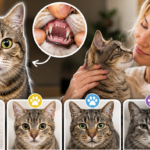
























7 Hidden Signs Your Senior Cat Is Suffering From Allergies: Early Symptoms & Relief Tips
Many cat owners associate allergies with sneezing or watery eyes, but senior cats often show much subtler symptoms. As cats age, their immune systems and skin become more sensitive, making them more vulnerable to food allergies, environmental allergens, flea bites, and household irritants. Recognizing these hidden signs early can help prevent discomfort and improve your cat’s quality of life.
Here are seven common but often overlooked signs that your senior cat may be suffering from allergies.
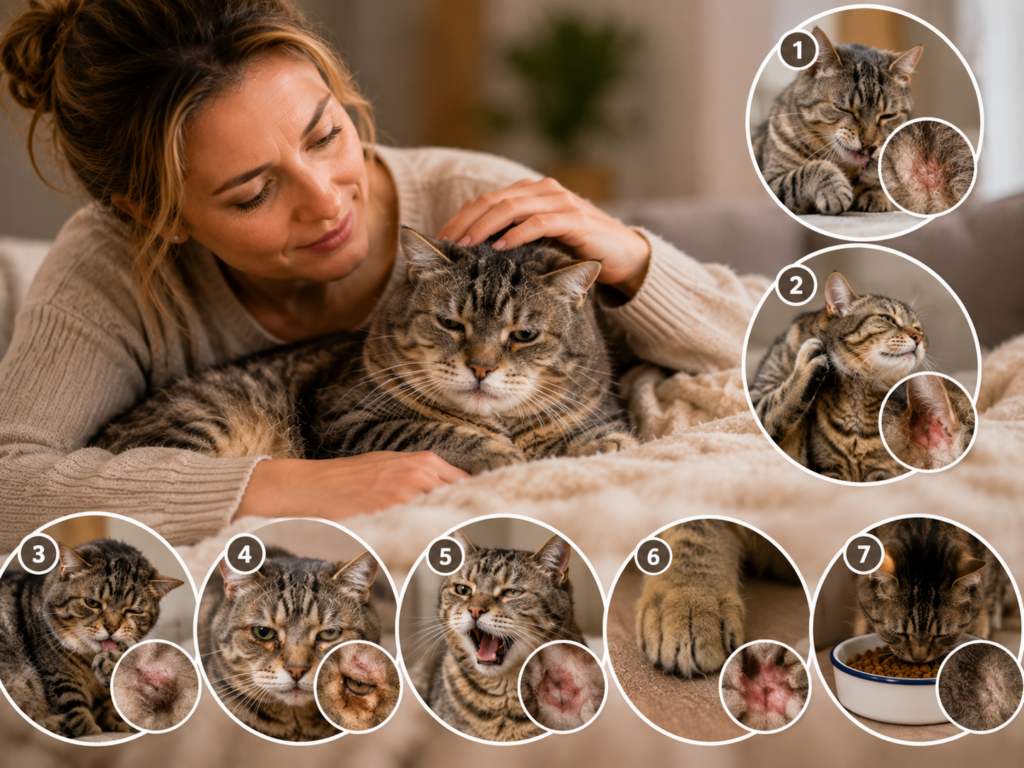
1. Excessive Scratching and Grooming
Occasional scratching is normal, but constant scratching or obsessive licking is not. Senior cats with allergies often groom certain areas repeatedly, leading to hair thinning or bald patches.
Relief Tip: Keep up with flea prevention, brush your cat regularly, and consult a veterinarian if the behavior continues.
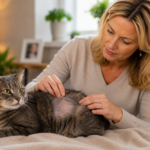
2. Hair Loss and Skin Irritation
Allergic reactions can cause red, inflamed skin and patchy hair loss, especially around the neck, belly, ears, and legs. Some cats may even develop small sores from excessive scratching.
Relief Tip: Identify possible triggers such as new food, cleaning products, or pollen and eliminate them whenever possible.
3. Frequent Ear Problems
Itchy ears, excessive earwax, head shaking, or repeated ear infections may be linked to allergies rather than parasites.
Relief Tip: Have your cat’s ears examined by a veterinarian instead of using over-the-counter products without a diagnosis.
4. Sneezing or Watery Eyes
Dust, mold, pollen, or scented household products can irritate sensitive senior cats. Mild respiratory symptoms that persist for weeks may indicate environmental allergies.
Relief Tip: Keep your home clean, vacuum regularly, and avoid heavily scented candles or air fresheners.
5. Digestive Upset
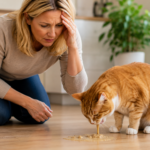
Food allergies don’t always affect the skin. Some senior cats experience vomiting, diarrhea, gas, or chronic stomach discomfort after eating certain ingredients.
Relief Tip: Work with your veterinarian to perform a controlled elimination diet and identify problem foods.
6. Changes in Behavior
Cats experiencing chronic itching or discomfort may become irritable, hide more often, sleep excessively, or lose interest in play.
Relief Tip: Observe behavioral changes carefully and note whether they coincide with seasonal changes or dietary adjustments.
7. Swollen Paws or Constant Paw Licking
Some allergic cats repeatedly lick or chew their paws until they become red and irritated. Owners often mistake this for a grooming habit when it is actually a sign of skin inflammation.
Relief Tip: Keep paws clean and seek veterinary advice if swelling or excessive licking persists.
How to Help a Senior Cat With Allergies
Managing allergies often requires a combination of environmental control, balanced nutrition, parasite prevention, and regular veterinary care. Avoid introducing multiple new foods or products at once, making it easier to identify potential triggers.
Keeping a journal of symptoms, diet, and seasonal changes can also help determine the cause more quickly.
Conclusion
Allergies in senior cats often appear as subtle skin, digestive, or behavioral changes rather than dramatic symptoms. Paying attention to excessive grooming, ear problems, digestive issues, and unusual habits allows owners to catch problems early and provide timely relief.
With proper diagnosis, consistent care, and a comfortable environment, most senior cats with allergies can continue to live active, healthy, and happy lives.
Related posts:
 Senior Cat Shedding: Causes, Excessive Hair Loss, and How to Stop It
 10 Common Health Problems in Senior Cats You Should Never Ignore
 Common Senior Cat Health Problems You Should Never Ignore
 Why Is My Senior Cat Losing Weight Suddenly? Top Health Reasons and How to Help
 Why Your Senior Cat Meows at Night: Health Reasons Explained
 How Often Should Senior Cats Visit the Vet? A Complete Health Check Guide
 Why Is My Senior Cat Constipated? Common Causes and Solutions Explained
 Does Your Senior Cat Have Arthritis? Quiet Signs You Shouldn’t Ignore
 Weight Management for Overweight Senior Cats: Safe Diet & Exercise Tips
 5 Subtle Clues Your Senior Cat Has Joint Discomfort: Early Signs of Feline Arthritis