








Senior Cat Drinking More Water: Should You Worry About Their Health?
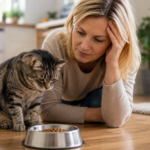
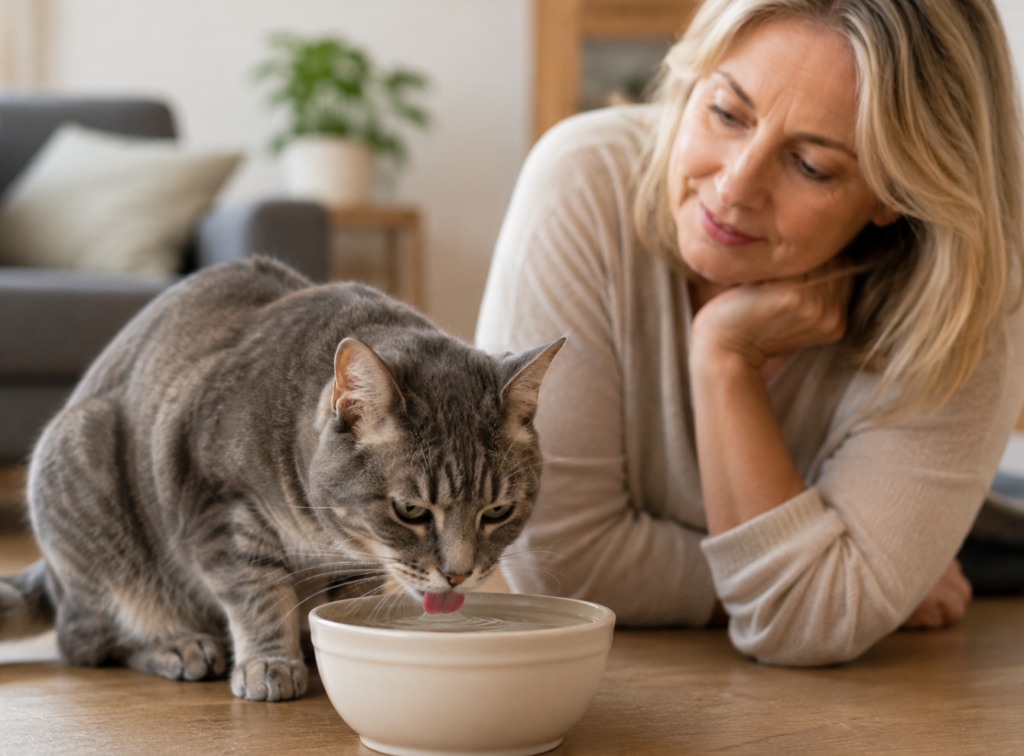
As cats grow older, owners often begin noticing small changes in their daily habits. One of the most common concerns is increased drinking. If your senior cat suddenly seems to spend more time at the water bowl, it may leave you wondering whether it is simply a normal part of aging or a sign of a health problem.
In some cases, older cats naturally drink a little more water than younger cats. Aging bodies become less efficient at maintaining hydration, and senior cats may need extra fluids to stay comfortable. Hot weather, dry food diets, or increased activity can also temporarily increase thirst. However, excessive drinking should never be ignored, especially if the change appears suddenly or continues over time.
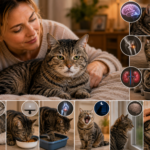
One of the most common medical causes of increased thirst in senior cats is kidney disease. Chronic kidney disease affects many aging cats because the kidneys gradually lose their ability to filter waste effectively. Cats with kidney problems often drink and urinate more frequently as the body tries to compensate. Other signs may include weight loss, poor appetite, vomiting, and low energy levels.
Diabetes is another possible cause. Cats with diabetes often experience extreme thirst because excess sugar in the bloodstream causes dehydration. Increased urination, weight loss despite normal eating, and lethargy are additional warning signs owners should watch for.
Hyperthyroidism is also common in elderly cats. This condition occurs when the thyroid gland becomes overactive, increasing metabolism and affecting multiple body systems. Cats with hyperthyroidism may drink more water while also showing symptoms such as rapid weight loss, increased appetite, restlessness, and excessive vocalization.
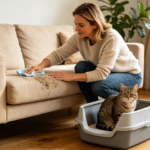
Urinary tract infections or bladder problems may also lead to increased drinking. Some cats drink more water to ease irritation or discomfort in the urinary system. Frequent trips to the litter box, accidents outside the box, or signs of pain while urinating should be taken seriously.
Certain medications can also increase thirst. If a senior cat recently started a new medication, owners should discuss possible side effects with their veterinarian.
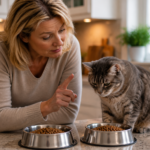
Monitoring your cat’s drinking habits can help identify problems early. Many owners do not realize how much water their cats normally consume until a noticeable change occurs. Measuring daily water intake or paying attention to how often the water bowl needs refilling can provide useful information for a veterinarian.
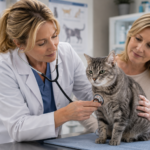
Regular veterinary checkups are especially important for senior cats because many illnesses develop gradually. Blood tests and urine tests can often detect underlying health conditions before symptoms become severe. Early diagnosis frequently leads to better treatment outcomes and improved quality of life.
Although increased drinking does not always mean something is seriously wrong, it is often a signal that deserves attention. Cats are naturally skilled at hiding illness, so even subtle changes in behavior can be important clues.
With proper medical care, hydration support, and close observation, many senior cats with age-related conditions can continue living comfortable and happy lives for many years.
Related posts:
 Best Food for Senior Cats: Wet vs Dry Food Guide
 Senior Cat Diet: What to Feed and What to Avoid Every Cat Owner Needs to Know
 Best Treats for Senior Cats With Sensitive Stomachs to Prevent Upset Digestion
 The Ultimate Diet Plan for Senior Cats: Tailored Nutrition for Every Age Stage (11+ Years)
 What Senior Cats Should Eat and Avoid Completely: The Ultimate Guide to Safe Nutrition for Aging Cats
 Best Senior Cat Food 2026: What Every Owner Should Buy
 How Much Water Should a Senior Cat Drink Daily and How to Encourage More Water Intake
 Senior Cat Not Eating? Common Causes and Simple Solutions Every Owner Should Know
 Top Joint Supplements for Senior Cats to Reduce Pain and Improve Movement