










What Human Foods Can Senior Cats Eat Safely? A Helpful Guide for Owners
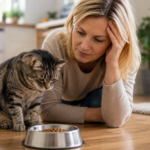
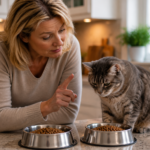
As cats grow older, many owners become more careful about their pet’s diet and nutrition. Senior cats often develop sensitive stomachs, dental issues, or health conditions that affect appetite and digestion. While cat food should always remain the main source of nutrition, certain human foods can be safely offered as occasional treats to support variety and enjoyment.
One of the safest human foods for senior cats is cooked lean meat. Plain chicken, turkey, or beef without seasoning, garlic, onions, or heavy oils can provide high-quality protein that supports muscle maintenance in aging cats. Since senior cats may lose muscle mass over time, protein remains especially important.
Cooked fish can also be a healthy occasional treat. Salmon, tuna, or sardines contain omega-3 fatty acids that may support joint health, brain function, and skin condition. However, fish should always be cooked and served in moderation because too much can upset nutritional balance.
Some senior cats enjoy small amounts of cooked eggs as well. Eggs provide protein and nutrients, but they should be fully cooked to avoid harmful bacteria. Soft scrambled eggs without butter or seasoning are often easiest for elderly cats to eat.
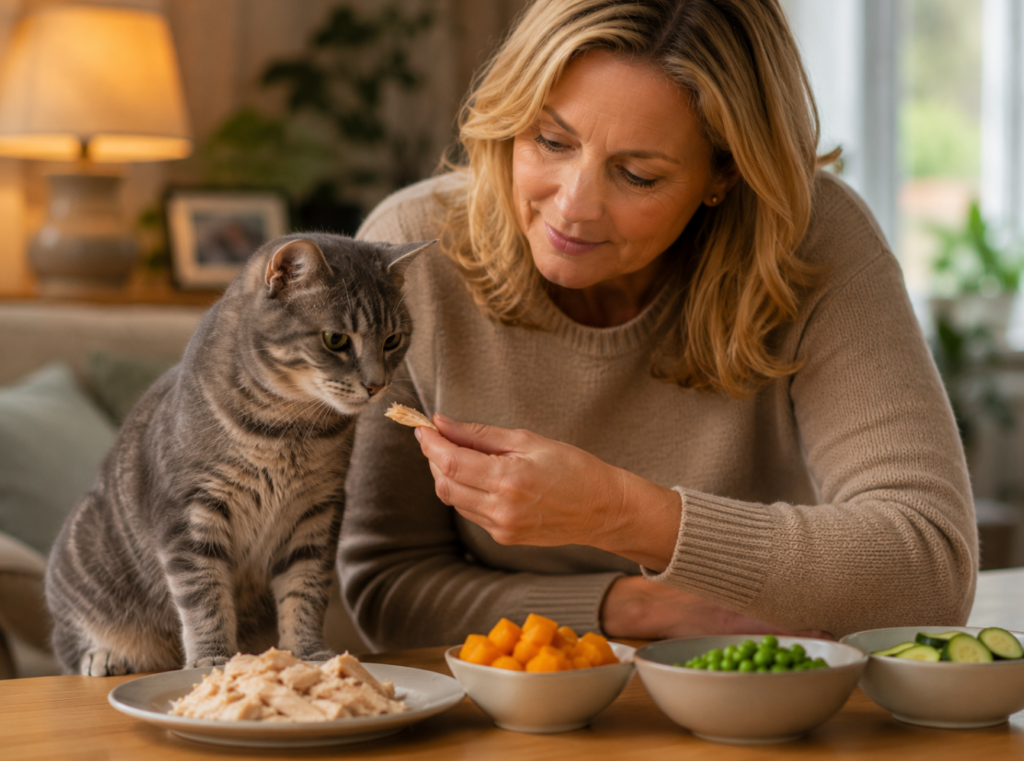
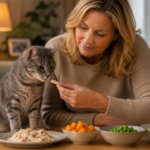
Plain pumpkin is another useful food for senior cats, especially those with mild constipation or digestive problems. Pumpkin contains fiber that may help regulate digestion. Only plain canned pumpkin should be used — not sweetened pie filling.
Certain vegetables can also be safe in tiny amounts. Cooked carrots, peas, or green beans may provide fiber and texture variety, although many cats are not naturally interested in vegetables. Soft textures are often easier for senior cats with dental issues.
Hydration is especially important for older cats, so low-sodium chicken broth can sometimes encourage eating and drinking. The broth should not contain onions, garlic, or heavy seasoning, as these ingredients are toxic to cats.
Despite these safe options, many human foods should always be avoided. Chocolate, grapes, raisins, onions, garlic, alcohol, caffeine, and artificial sweeteners like xylitol are dangerous for cats. Fatty, salty, or heavily processed foods may also cause digestive upset or worsen health conditions.
Portion control is important as well. Human food should only be an occasional supplement, not a replacement for balanced cat nutrition. Too many treats can lead to obesity or nutritional imbalance, especially in less active senior cats.
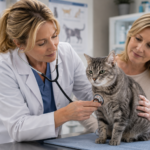
Whenever introducing a new food, owners should monitor for vomiting, diarrhea, or allergic reactions. Cats with kidney disease, diabetes, or other medical conditions may require special dietary restrictions, so veterinary guidance is always recommended before major diet changes.
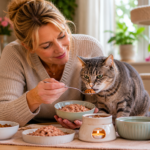
Sharing safe treats can be a fun way to bond with a senior cat while adding variety to their routine. With careful choices and moderation, some human foods can safely support comfort, hydration, and enjoyment during a cat’s later years.
Related posts:
 The Ultimate Diet Plan for Senior Cats: Tailored Nutrition for Every Age Stage (11+ Years)
 What Senior Cats Should Eat and Avoid Completely: The Ultimate Guide to Safe Nutrition for Aging Cats
 Best Senior Cat Food 2026: What Every Owner Should Buy
 Best Food for Senior Cats: Wet vs Dry Food Guide
 Senior Cat Diet: What to Feed and What to Avoid Every Cat Owner Needs to Know
 Best Treats for Senior Cats With Sensitive Stomachs to Prevent Upset Digestion
 How Much Water Should a Senior Cat Drink Daily and How to Encourage More Water Intake
 Senior Cat Not Eating? Common Causes and Simple Solutions Every Owner Should Know
 Top Joint Supplements for Senior Cats to Reduce Pain and Improve Movement
 Senior Cat Drinking More Water: Should You Worry About Their Health?