




















7 Strange Behaviors That Mean Your Senior Cat Is Unwell: Warning Signs & Vet Advice
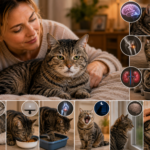
As cats grow older, their behavior naturally changes. They may sleep longer, move more slowly, or become less playful. However, some unusual behaviors are not simply part of aging—they can be early warning signs of illness. Because cats are experts at hiding pain, recognizing these subtle changes can make a big difference in protecting their health.
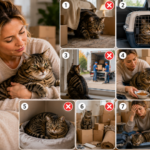
Here are seven strange behaviors every senior cat owner should watch for.
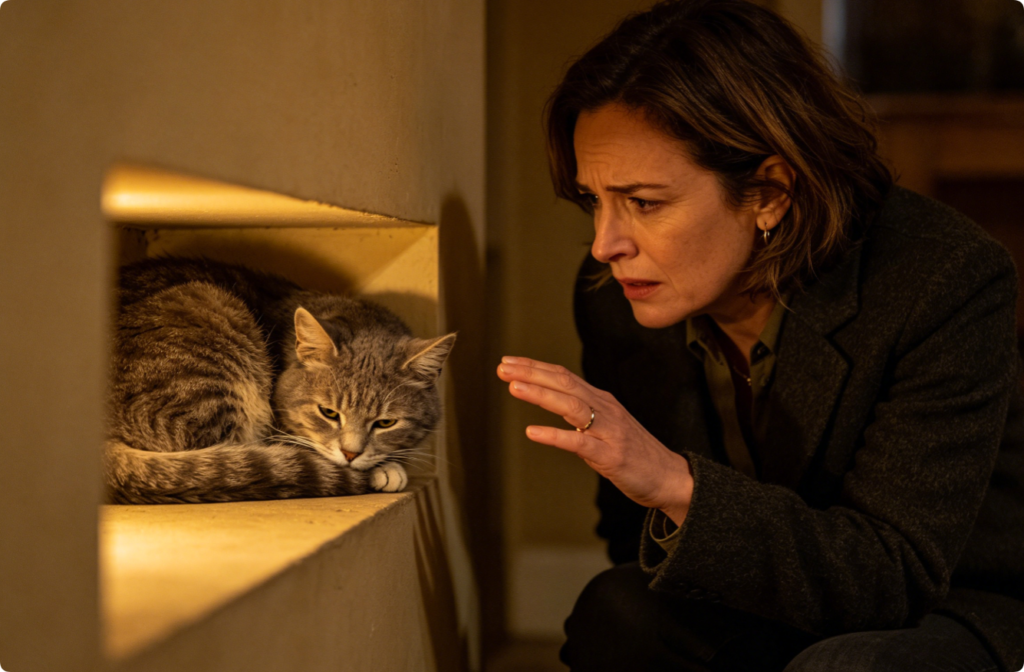
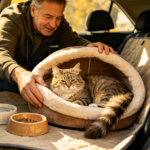
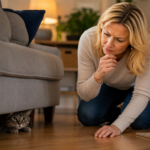
1. Hiding More Than Usual
If your normally social cat suddenly spends hours under the bed or inside closets, it could be experiencing pain, stress, or illness. Cats instinctively hide when they feel vulnerable.
Vet Advice: If hiding is accompanied by loss of appetite, vomiting, or lethargy, schedule a veterinary visit as soon as possible.
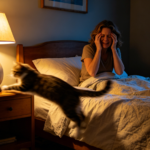
2. Excessive Meowing, Especially at Night
Senior cats may become unusually vocal due to hearing loss, high blood pressure, hyperthyroidism, or age-related cognitive dysfunction. Nighttime meowing can also signal confusion or anxiety.
Vet Advice: Persistent vocalization deserves a medical evaluation rather than being dismissed as normal aging.
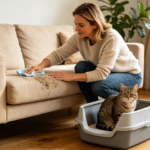
3. Suddenly Avoiding the Litter Box
A cat that starts urinating or defecating outside the litter box may be dealing with arthritis, urinary tract disease, kidney problems, or mobility issues.
Vet Advice: Never assume this is bad behavior. A physical examination can help identify the underlying cause.
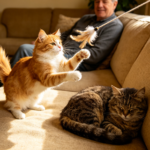
4. Sleeping Much More or Becoming Unusually Inactive
Senior cats naturally sleep a lot, but a dramatic increase in sleep combined with little interest in food or interaction may indicate illness.
Conditions such as kidney disease, diabetes, heart disease, or infections can all reduce energy levels.
Vet Advice: Monitor changes in activity and seek medical attention if the behavior persists for more than a day or two.
5. Walking in Circles or Appearing Confused
Disorientation, staring at walls, getting stuck in corners, or wandering aimlessly are possible signs of cognitive decline or neurological disease.
Vet Advice: Early diagnosis can help manage symptoms and improve your cat’s quality of life.
6. Aggression or Irritability
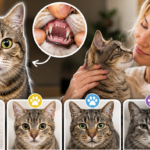
A gentle senior cat that suddenly hisses, bites, or avoids being touched may be experiencing pain rather than developing a personality change. Arthritis, dental disease, and internal illness commonly cause discomfort.
Vet Advice: Never punish an older cat for aggressive behavior before ruling out medical problems.
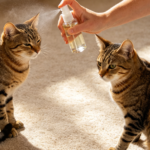
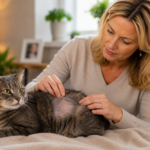
7. Excessive Grooming or Complete Loss of Grooming
Overgrooming can signal allergies, stress, or skin disease, while a messy, greasy coat may indicate arthritis, obesity, or dental pain that makes self-grooming difficult.
Vet Advice: Changes in coat quality often provide valuable clues about your cat’s overall health.
When Should You Call the Veterinarian?
If any unusual behavior lasts longer than 24–48 hours or is accompanied by vomiting, diarrhea, weight loss, difficulty breathing, loss of appetite, or trouble walking, seek veterinary care immediately. Early treatment often leads to better outcomes and can prevent small problems from becoming serious.
Conclusion
Senior cats communicate through behavior, and even small changes can signal hidden health problems. Increased hiding, nighttime meowing, confusion, litter box accidents, aggression, or grooming changes should never be ignored.
By observing your cat closely and scheduling regular veterinary checkups, you can detect illness earlier and help your aging companion enjoy a healthier, more comfortable, and happier life throughout their golden years.
Related posts:
 5 Biggest Killers of Senior Cats: Common Causes, Warning Signs & How to Protect Your Feline
 Why Your Senior Cat Meows at Night: Health Reasons Explained
 Senior Cat Losing Weight: Natural Aging or a Health Problem?
 Why Your Senior Cat Stopped Playing and How to Bring Back Their Energy
 10 Warning Signs You Should Take Your Senior Cat to the Vet
 8 Warning Signs You Should Take Your Senior Cat to the Vet Immediately
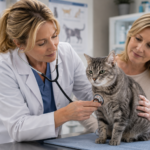 6 Essential Veterinary Checkup Guidelines to Keep Senior Cats Healthy
 How to Tell If Your Cat Is Sick: Common Signs Every Owner Should Know
 10 Common Health Problems in Senior Cats You Should Never Ignore
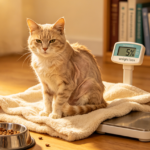 Why Is My Senior Cat Losing Weight Suddenly? Top Health Reasons and How to Help