





















6 Permanent Fixes for Senior Cat Nighttime Crying: Address Age-Related Anxiety & Cognitive Issues
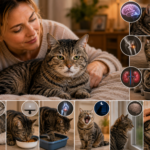
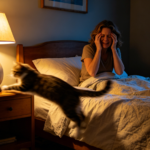
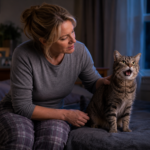
Many senior cat owners are familiar with the sound of their aging feline crying loudly in the middle of the night. While occasional vocalization is normal, frequent nighttime crying can be frustrating for owners and distressing for cats. In older cats, this behavior is often linked to age-related anxiety, cognitive decline, sensory loss, or underlying medical conditions.
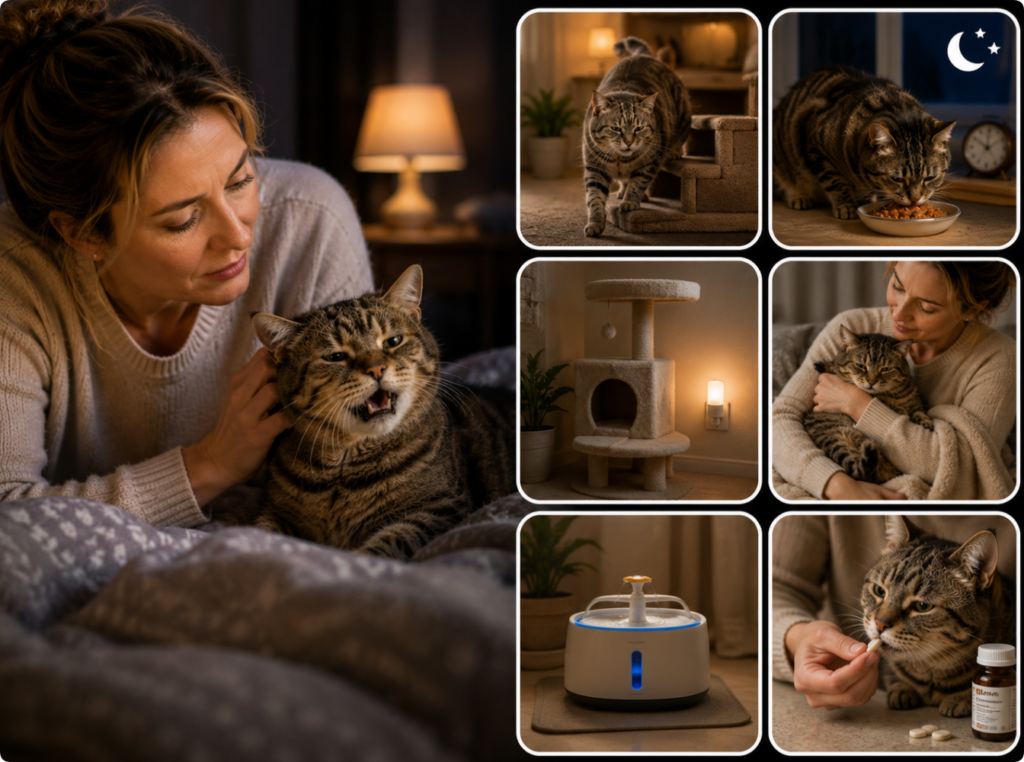
Understanding the cause is the first step toward helping your senior cat enjoy more peaceful nights.
1. Schedule a Complete Veterinary Checkup
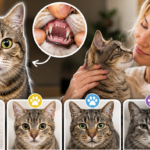
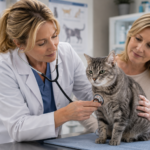
Before assuming the problem is behavioral, rule out medical causes. Conditions such as hyperthyroidism, kidney disease, high blood pressure, arthritis, and chronic pain can make senior cats restless and vocal at night.
Permanent Fix: Schedule regular veterinary exams and follow treatment recommendations for any diagnosed health issues. Addressing the underlying condition often significantly reduces nighttime crying.
2. Establish a Consistent Daily Routine
Senior cats thrive on predictability. Changes in feeding times, sleeping arrangements, or household activity can increase anxiety and confusion.
Permanent Fix: Feed, play with, and interact with your cat at the same times every day. A stable routine helps older cats feel secure and reduces stress-related vocalization.
3. Increase Daytime Activity
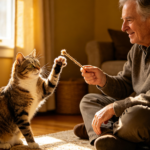
Cats that spend the entire day sleeping may be more active during the night. Although senior cats require plenty of rest, they still benefit from gentle exercise and mental stimulation.
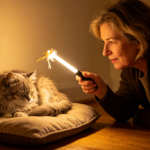
Permanent Fix: Encourage short play sessions throughout the day using feather toys, treat puzzles, or interactive games. Increased daytime activity often leads to better nighttime sleep.
4. Help Cats With Cognitive Dysfunction
Feline cognitive dysfunction, often compared to dementia in humans, becomes more common as cats age. Symptoms include confusion, disorientation, staring at walls, and nighttime wandering accompanied by crying.
Permanent Fix: Keep furniture arrangements consistent, provide night lights, and maintain familiar surroundings. Veterinary-approved supplements or medications may also help manage cognitive decline.
5. Create a Comfortable Sleeping Environment
Arthritis, reduced mobility, and sensory decline can make older cats feel vulnerable at night. A cat that cannot easily reach its favorite resting spot may become anxious and vocal.
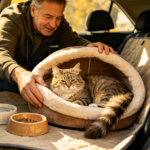
Permanent Fix: Provide soft orthopedic beds, heated cat pads, easy access to food and water, and litter boxes located close to sleeping areas.
6. Offer Extra Comfort and Reassurance
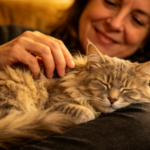
Many senior cats become more attached to their owners as they age. Nighttime crying may simply be a request for reassurance, especially if vision or hearing has declined.
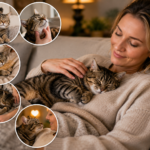
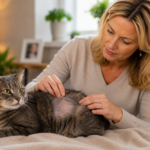
Permanent Fix: Spend quiet time with your cat before bedtime. Gentle petting, grooming, and calm interaction can reduce anxiety and help your cat settle more comfortably for the night.
When to Seek Veterinary Help
If nighttime crying develops suddenly, becomes progressively worse, or occurs alongside symptoms such as weight loss, appetite changes, confusion, excessive thirst, or difficulty walking, consult your veterinarian promptly.
Persistent vocalization is often one of the earliest signs that a senior cat is experiencing discomfort or illness.
Conclusion
Nighttime crying is not simply an annoying habit—it is often your senior cat’s way of communicating discomfort, confusion, anxiety, or a medical problem. By addressing health concerns, maintaining a predictable routine, supporting cognitive health, and creating a comfortable environment, many owners can dramatically reduce or even eliminate nighttime vocalization.
With patience, observation, and proper care, you can help your aging feline companion enjoy calmer nights and a better quality of life throughout their senior years.
Related posts:
 Common Health Problems in Senior Cats and Warning Signs Every Owner Should Know
 Best Ways to Keep Your Senior Cat Healthy, Happy, and Active
 6 Simple Daily Routines to Help Extend Your Senior Cat’s Lifespan and Improve Quality of Life
 6 Harmful Habits That Shorten Senior Cats’ Lifespan: Dangerous Daily Mistakes to Stop
 Why Senior Cats Stop Playing and How to Encourage Them to Stay Active
 Top 7 Ways to Make Your Senior Cat Live Longer and Happier
 What Can Owners Do to Help Senior Cats Live Longer and Good Health
 How Often Should Senior Cats Visit the Vet? A Complete Health Check Guide
 8 Solutions for Senior Cat Lethargy and Sleepiness to Restore Energy and Vitality
 8 Practical Solutions for Senior Cat Lethargy and Excessive Sleepiness