










6 Harmful Habits That Shorten Senior Cats’ Lifespan: Dangerous Daily Mistakes to Stop
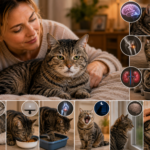
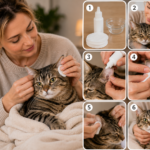
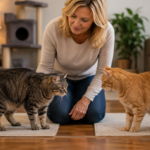
Senior cats deserve extra care and attention as they enter their golden years. While genetics play a role in longevity, everyday habits have a significant impact on an aging cat’s health and quality of life. Unfortunately, many well-meaning owners unknowingly make mistakes that can contribute to obesity, chronic disease, stress, and reduced mobility.
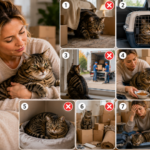
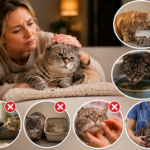
Here are six harmful habits you should stop to help your senior cat live a longer, healthier, and happier life.
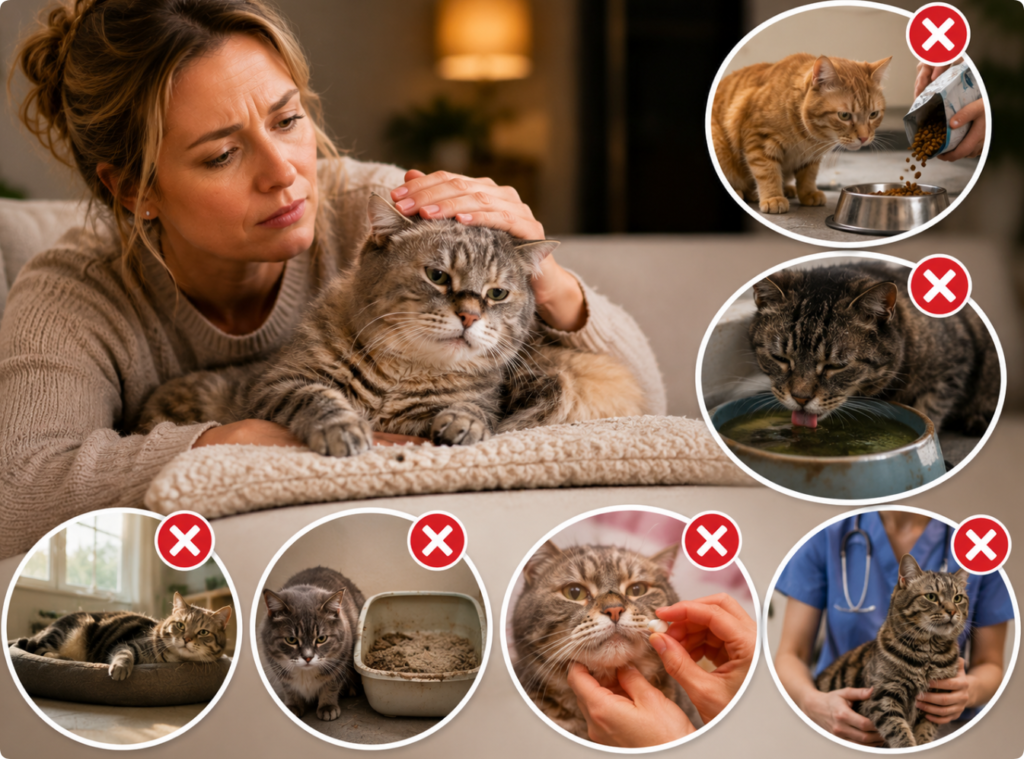
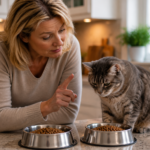
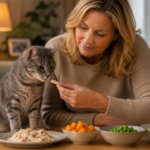
1. Overfeeding and Ignoring Weight Gain
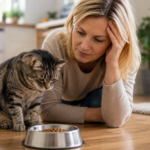
Many owners show love by offering extra treats or larger meals, but excessive calories can quickly lead to obesity. Extra weight places additional stress on aging joints and increases the risk of diabetes, heart disease, and arthritis.
What to do instead: Feed measured portions, choose a high-quality senior cat diet, and monitor your cat’s body condition regularly.
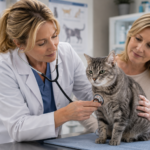
2. Skipping Regular Veterinary Checkups
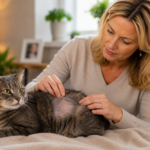
Older cats often hide signs of illness until a disease becomes advanced. Waiting until obvious symptoms appear can delay treatment and reduce the chances of successful management.
What to do instead: Schedule wellness exams at least twice a year to detect kidney disease, dental problems, thyroid disorders, and other age-related conditions early.
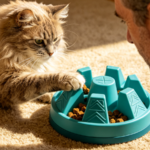
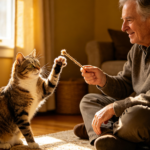
3. Providing Too Little Exercise
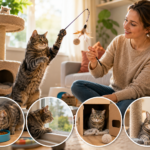
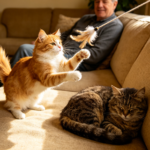
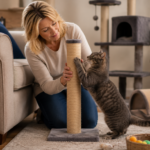
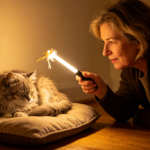
Senior cats may sleep more, but they still need daily movement to maintain muscle strength and joint flexibility. A sedentary lifestyle can lead to weight gain and decreased mobility.
What to do instead: Encourage gentle play with feather toys, interactive games, and climbing structures designed for older cats.
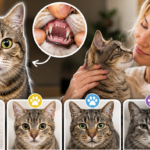
4. Ignoring Dental Care
Dental disease is one of the most common health problems in aging cats. Painful teeth and inflamed gums can make eating difficult and may even contribute to infections that affect other organs.
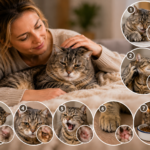
What to do instead: Check your cat’s mouth regularly, provide dental-friendly diets or treats when appropriate, and follow your veterinarian’s recommendations for professional cleanings.
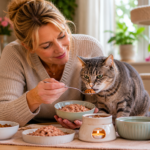
5. Not Encouraging Hydration
Senior cats are naturally prone to dehydration, especially those with kidney or urinary tract conditions. Drinking too little water can worsen existing health problems.
What to do instead: Provide multiple water bowls, consider a pet water fountain, and include wet food in the daily diet to increase moisture intake.
6. Creating a Stressful Environment
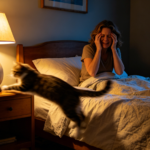
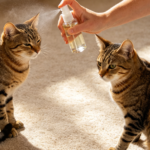
Frequent changes in routine, loud noises, overcrowded living spaces, or competition with other pets can cause chronic stress. Long-term stress may weaken the immune system and negatively affect overall well-being.
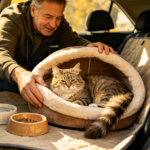
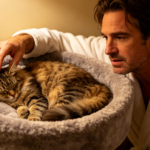
What to do instead: Maintain a consistent daily routine, offer quiet resting areas, and provide comfortable beds, scratching posts, and hiding spots where your senior cat can relax.
Conclusion
Small daily habits have a lasting impact on your senior cat’s health and lifespan. Avoiding overfeeding, staying consistent with veterinary care, encouraging gentle exercise, supporting dental health, promoting hydration, and reducing stress can significantly improve your cat’s quality of life.
While aging is inevitable, thoughtful care and healthy routines can help your feline companion remain active, comfortable, and content for many years. The best gift you can give a senior cat is a safe, loving environment that supports healthy aging every single day.
Related posts:
 Common Health Problems in Senior Cats and Warning Signs Every Owner Should Know
 Best Ways to Keep Your Senior Cat Healthy, Happy, and Active
 6 Simple Daily Routines to Help Extend Your Senior Cat’s Lifespan and Improve Quality of Life
 10 Essential Tips to Create a Comfortable and Safe Space for Your Senior Cat
 Why Senior Cats Stop Playing and How to Encourage Them to Stay Active
 Top 7 Ways to Make Your Senior Cat Live Longer and Happier
 What Can Owners Do to Help Senior Cats Live Longer and Good Health
 How Often Should Senior Cats Visit the Vet? A Complete Health Check Guide
 8 Solutions for Senior Cat Lethargy and Sleepiness to Restore Energy and Vitality
 8 Practical Solutions for Senior Cat Lethargy and Excessive Sleepiness