











Senior Cat Not Eating? Common Causes and Simple Solutions Every Owner Should Know
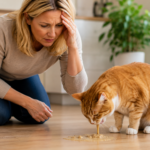
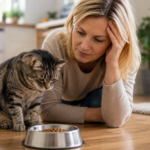
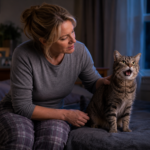
It can be worrying when a senior cat suddenly loses interest in food. Older cats often have different nutritional and medical needs compared to younger cats, and changes in appetite may signal anything from minor discomfort to a more serious health issue. Understanding the common causes of appetite loss can help owners respond quickly and improve their cat’s quality of life.
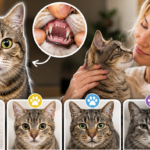
One of the most common reasons elderly cats stop eating is dental pain. As cats age, they may develop gum disease, broken teeth, or oral infections that make chewing painful. A cat with dental problems may approach the food bowl but hesitate to eat or only lick soft foods. Switching to wet food or warming food slightly to enhance smell can sometimes encourage eating, but a veterinary dental check is often necessary.
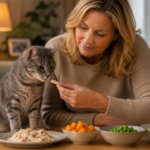
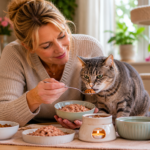
Another major cause is a reduced sense of smell. Cats rely heavily on scent to stimulate appetite, and aging can weaken this ability. Food that once smelled delicious may no longer seem appealing. Heating wet food for a few seconds or offering stronger-smelling foods like tuna-flavored meals may help attract a senior cat back to eating.
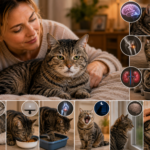
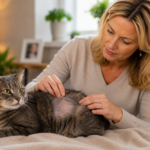
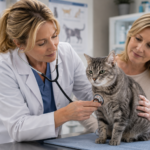
Underlying medical conditions are also common in older cats. Kidney disease, hyperthyroidism, diabetes, arthritis, and digestive problems can all reduce appetite. Some cats may feel nauseous or uncomfortable without obvious symptoms. Weight loss, vomiting, increased thirst, or changes in behavior should never be ignored. Regular veterinary visits become especially important during the senior years.
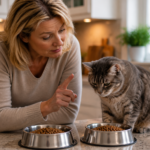
Stress can also affect appetite in aging cats. Even small changes such as moving furniture, introducing another pet, loud noises, or changes in routine may cause anxiety. Senior cats often prefer stability and quiet environments. Creating a calm feeding area away from noise and distractions can make meals feel safer and more comfortable.
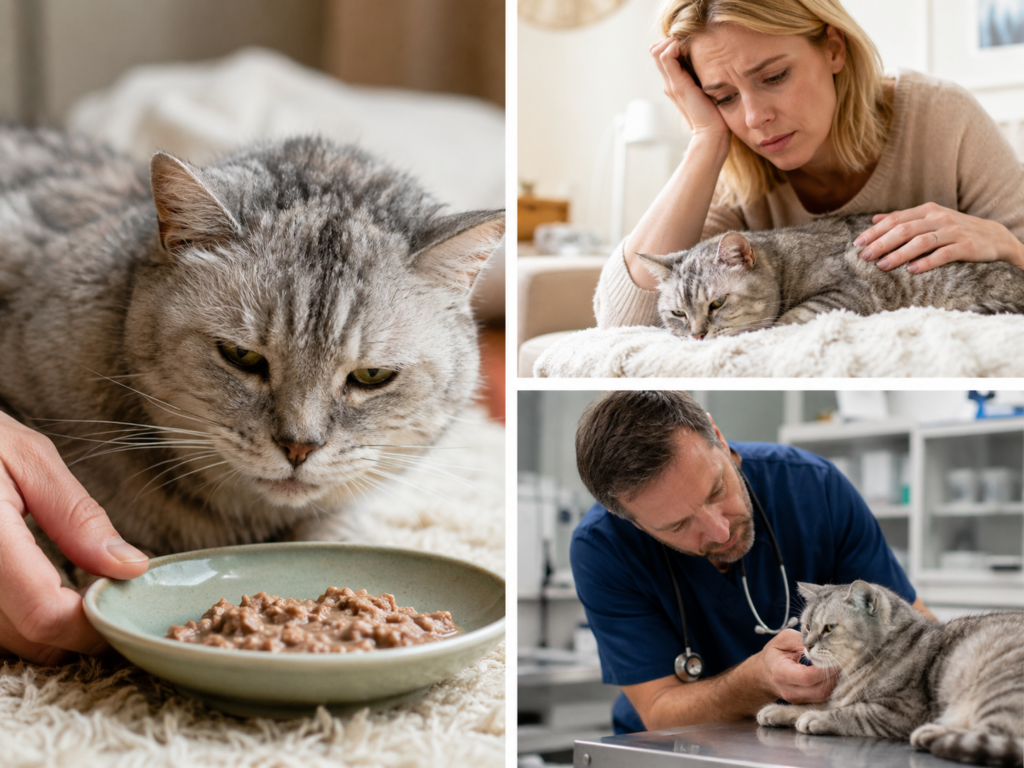
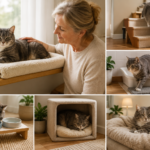
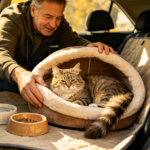
In some cases, arthritis or mobility issues make eating physically difficult. If food bowls are placed too high or too far away, an older cat may simply avoid the effort. Elevated bowls or easily accessible feeding stations can reduce strain on painful joints.
Hydration is equally important. Elderly cats are more prone to dehydration, especially if they eat less food. Providing fresh water in multiple locations or using a pet water fountain can encourage drinking. Wet food can also increase moisture intake.
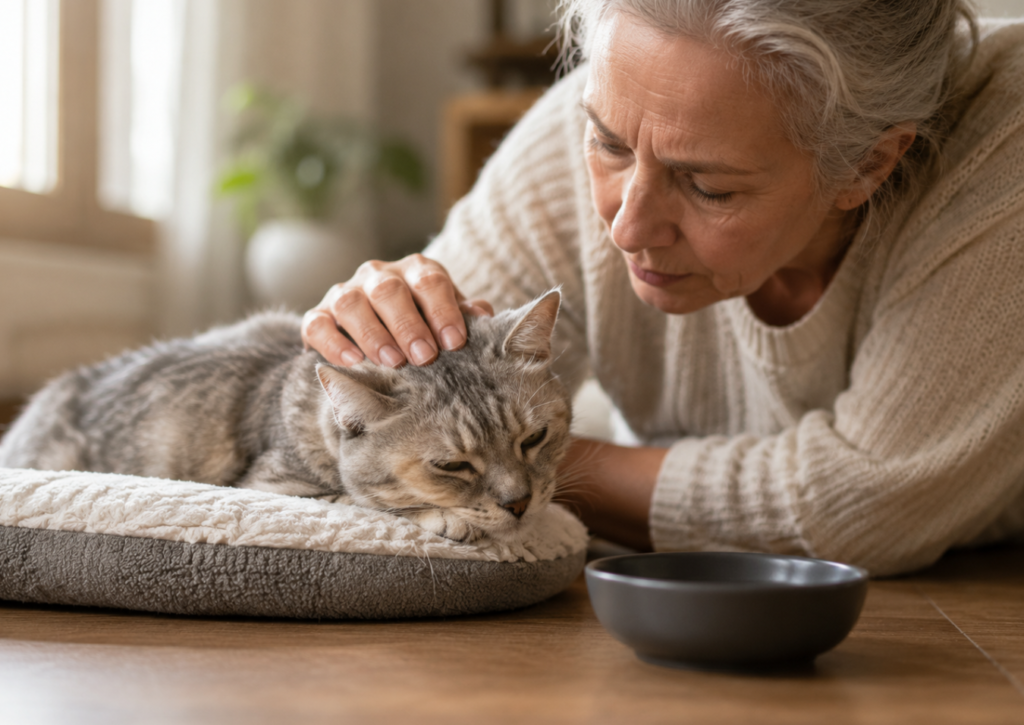
Owners should pay close attention if a senior cat refuses food for more than 24 hours. Cats can develop serious liver problems when they stop eating for extended periods. Early intervention can make a significant difference.
Caring for a senior cat requires patience, observation, and compassion. By understanding the possible reasons behind appetite loss and making a few simple adjustments at home, owners can help their aging companions stay healthier, happier, and more comfortable throughout their golden years.
Related posts:
 The Ultimate Diet Plan for Senior Cats: Tailored Nutrition for Every Age Stage (11+ Years)
 Best Food for Senior Cats: Wet vs Dry Food Guide
 Senior Cat Diet: What to Feed and What to Avoid Every Cat Owner Needs to Know
 Best Treats for Senior Cats With Sensitive Stomachs to Prevent Upset Digestion
 What Senior Cats Should Eat and Avoid Completely: The Ultimate Guide to Safe Nutrition for Aging Cats
 Best Senior Cat Food 2026: What Every Owner Should Buy
 5 Biggest Killers of Senior Cats: Common Causes, Warning Signs & How to Protect Your Feline
 How Much Water Should a Senior Cat Drink Daily and How to Encourage More Water Intake