














7 Costly Mistakes When Choosing Food for Senior Cats
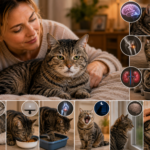
As cats grow older, their nutritional needs change significantly. A diet that worked perfectly during adulthood may no longer provide the right balance of nutrients for an aging feline. Unfortunately, many owners unknowingly make feeding mistakes that can contribute to weight loss, obesity, kidney problems, or digestive issues.
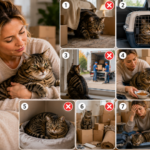
Here are seven common mistakes to avoid when choosing food for senior cats.
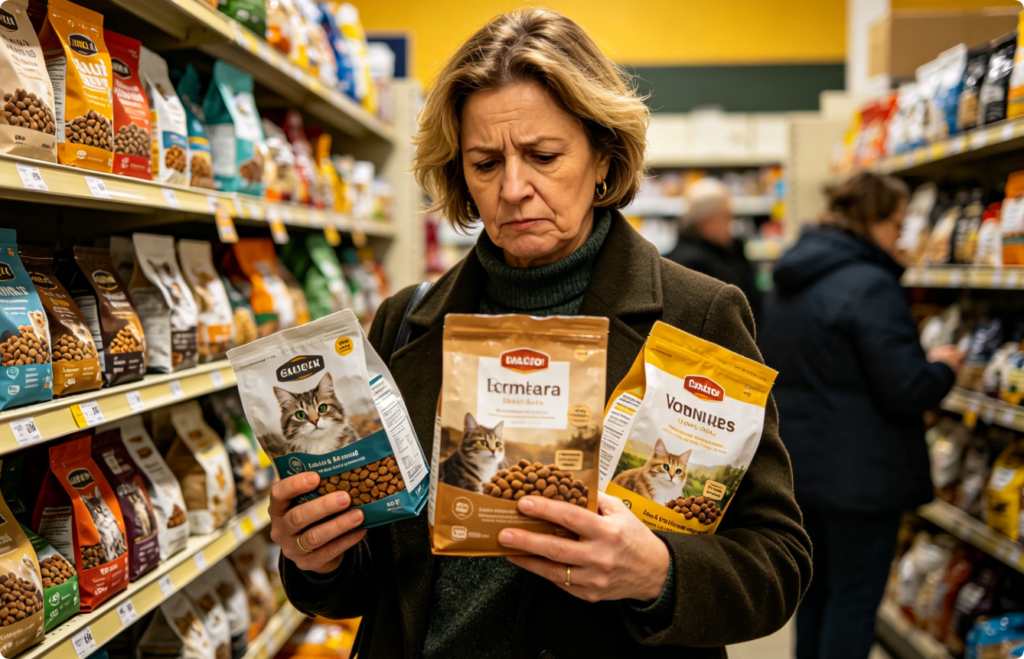
1. Assuming All Senior Cats Need the Same Food
Every senior cat is different. Some remain active and healthy, while others develop conditions such as kidney disease, diabetes, or arthritis. Feeding a generic senior formula without considering your cat’s individual needs may not provide the best nutrition.
Always choose food based on your cat’s age, weight, activity level, and overall health.
2. Focusing Only on Price
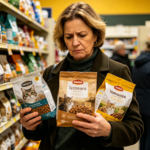
Many owners believe the most expensive food is automatically the healthiest, while others simply choose the cheapest option. In reality, ingredient quality and nutritional balance matter much more than price.
Look for foods that list high-quality animal protein as the primary ingredient and provide complete, balanced nutrition.
3. Ignoring Protein Requirements
A common misconception is that older cats need less protein. In fact, healthy senior cats often benefit from highly digestible, high-quality protein that helps maintain muscle mass and strength.
Unless a veterinarian recommends otherwise for a specific medical condition, adequate protein is essential for healthy aging.
4. Forgetting About Hydration
Senior cats are naturally more prone to dehydration, especially those with kidney or urinary issues. Feeding only dry kibble without encouraging water intake may increase health risks.
Including wet food in the daily diet and providing fresh water in multiple locations can help maintain proper hydration.
5. Switching Foods Too Quickly
Changing diets overnight can upset a senior cat’s sensitive digestive system, leading to vomiting, diarrhea, or refusal to eat.
Instead, gradually introduce new food over seven to ten days by mixing increasing amounts with the old diet.
6. Overlooking Dental Health
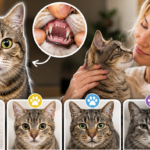
Many aging cats suffer from dental disease, making hard kibble uncomfortable to chew. Owners sometimes mistake reduced eating for picky behavior when the real problem is oral pain.
If your cat struggles to eat, consider softer food options and schedule a dental examination.
7. Overfeeding and Ignoring Weight Changes
Senior cats typically become less active, meaning they burn fewer calories. Overfeeding can lead to obesity, while unnoticed weight loss may signal an underlying illness.
Regularly monitor your cat’s body condition and adjust portion sizes accordingly. Routine weigh-ins are a simple but effective way to track long-term health.
Conclusion
Proper nutrition plays a vital role in helping senior cats live longer, healthier, and more comfortable lives. By avoiding these seven common feeding mistakes, you can support muscle strength, digestion, hydration, and overall well-being.
Remember that no single food is perfect for every aging cat. Combining high-quality nutrition with regular veterinary checkups and careful observation is the best way to ensure your senior companion enjoys their golden years with energy, comfort, and happiness.
Related posts:
 Best Senior Cat Food 2026: What Every Owner Should Buy
 The Ultimate Diet Plan for Senior Cats: Tailored Nutrition for Every Age Stage (11+ Years)
 What Senior Cats Should Eat and Avoid Completely: The Ultimate Guide to Safe Nutrition for Aging Cats
 Senior Cat Not Eating? Common Causes and Simple Solutions Every Owner Should Know
 What Human Foods Can Senior Cats Eat Safely? A Helpful Guide for Owners
 6 Dangerous Foods You Must Never Feed Senior Cats for Their Safety and Health
 7 Mistakes When Switching a Senior Cat’s Diet and How to Avoid Them
 Best Treats for Senior Cats With Sensitive Stomachs to Prevent Upset Digestion
 How Much Water Should a Senior Cat Drink Daily and How to Encourage More Water Intake
 Top Joint Supplements for Senior Cats to Reduce Pain and Improve Movement