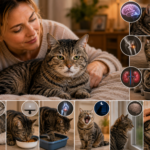







6 Dangerous Foods You Must Never Feed Senior Cats for Their Safety and Health
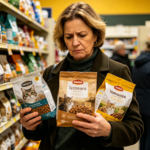
Feeding senior cats requires extra care, as their aging bodies are more sensitive to toxins, digestive issues, and organ stress. While it may be tempting to share human food with your furry companion, certain foods can be extremely harmful—even fatal. Understanding which foods to avoid is crucial for keeping your elderly cat safe and healthy.
Here are six dangerous foods that should never be offered to senior cats.
1. Onions, Garlic, and Chives
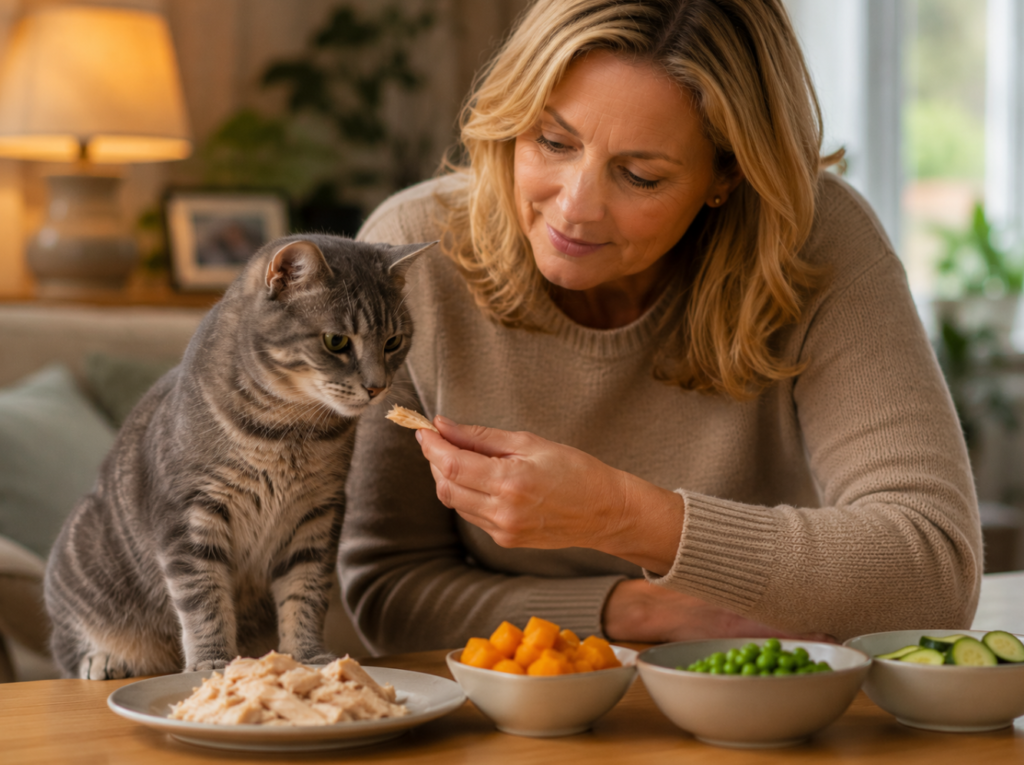
These common kitchen ingredients contain compounds that can damage a cat’s red blood cells, causing anemia. Even small amounts—raw, cooked, powdered, or in sauces—can be toxic. Symptoms may include weakness, vomiting, pale gums, and lethargy. Senior cats are particularly vulnerable because their bodies are less resilient to blood disorders.
2. Chocolate and Caffeine
Chocolate contains theobromine, and caffeine contains methylxanthines—both are highly toxic to cats. Ingesting chocolate or caffeinated products can lead to vomiting, rapid heartbeat, tremors, restlessness, or seizures. Dark chocolate and cocoa powder are especially dangerous. Always keep coffee, tea, and chocolate out of reach.
3. Alcohol
Alcohol is extremely toxic for cats, even in small amounts. It can depress the central nervous system, cause vomiting, diarrhea, difficulty breathing, and in severe cases, lead to coma or death. Foods containing alcohol, such as certain desserts or sauces, should also be avoided entirely.
4. Grapes and Raisins
Grapes and raisins can cause sudden kidney failure in cats. Even a few pieces can trigger symptoms like vomiting, diarrhea, lethargy, and decreased urination. Senior cats are especially at risk due to age-related kidney decline, making these fruits strictly off-limits.
5. Raw Dough and Raw Eggs
Raw bread dough can expand inside a cat’s stomach, leading to painful bloating or dangerous blockages. Raw eggs may carry salmonella or E. coli bacteria, causing gastrointestinal illness. Cooking neutralizes these risks, but raw consumption must always be avoided.
6. Artificial Sweeteners (Xylitol)
Xylitol is a common sugar substitute in sugar-free gum, candy, and baked goods. Ingesting even tiny amounts can cause hypoglycemia, seizures, liver failure, and potentially death in cats. Check labels carefully and keep all xylitol-containing products away from your senior cat.
Conclusion
Senior cats are more susceptible to the harmful effects of toxic foods due to declining organ function and weaker immune systems. Providing a well-balanced, age-appropriate diet and strictly avoiding these six dangerous foods can help your elderly cat stay healthy, energetic, and safe. Always consult your veterinarian if you’re unsure about whether a food is safe, and teach household members not to share human snacks with your feline friend.
Prioritizing nutrition and safety ensures your senior cat can enjoy a long, happy, and healthy life.
Related posts:
 The Ultimate Diet Plan for Senior Cats: Tailored Nutrition for Every Age Stage (11+ Years)
 What Senior Cats Should Eat and Avoid Completely: The Ultimate Guide to Safe Nutrition for Aging Cats
 Best Senior Cat Food 2026: What Every Owner Should Buy
 What Human Foods Can Senior Cats Eat Safely? A Helpful Guide for Owners
 Best Food for Senior Cats: Wet vs Dry Food Guide
 Senior Cat Diet: What to Feed and What to Avoid Every Cat Owner Needs to Know
 Best Treats for Senior Cats With Sensitive Stomachs to Prevent Upset Digestion
 How Much Water Should a Senior Cat Drink Daily and How to Encourage More Water Intake
 Top Joint Supplements for Senior Cats to Reduce Pain and Improve Movement
 6 Basic Rules for Feeding Senior Cats Correctly and Keeping Them Healthy