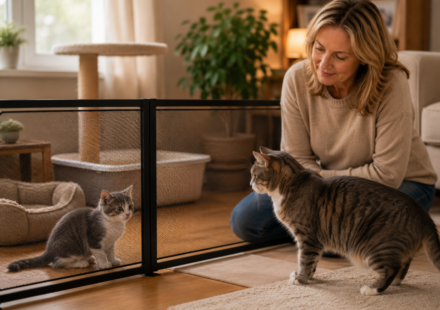
Best Ways to Introduce a New Kitten to an Older Cat Successfully
Bringing a new kitten into a home with an older cat can be exciting, but it can also be stressful for both pets if the introduction is rushed. Senior cats are often attached to their routines, territory, and quiet environment, while kittens are naturally…
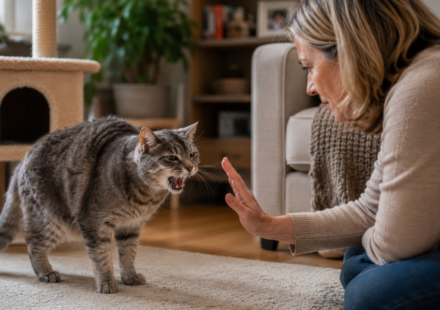
Why Older Cats Become Aggressive and What Owners Should Know
Many cat owners are surprised when a once calm and affectionate senior cat suddenly becomes aggressive. Hissing, swatting, growling, or biting can be upsetting, especially when the behavior appears without warning. However, aggression in older cats is…
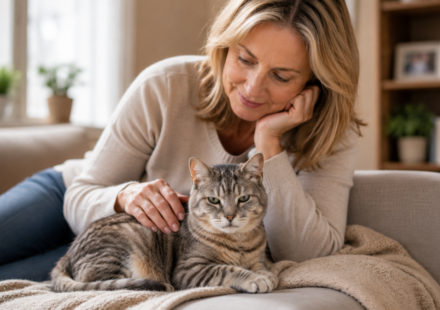
When Is a Cat Considered Senior? Cat Age and Aging Explained
Many cat owners are surprised to learn how quickly cats age compared to humans. A playful kitten can seem young for years, but behind the scenes, important physical and biological changes are already taking place. Understanding when a cat becomes a…
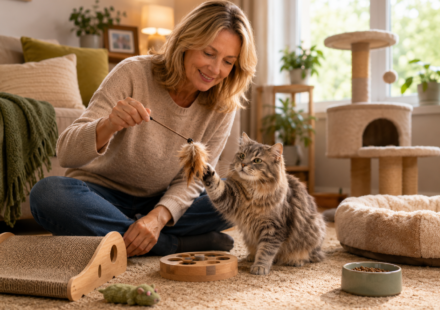
Best Ways to Keep Your Senior Cat Healthy, Happy, and Active
As cats grow older, their needs begin to change. Senior cats may move more slowly, sleep longer, and become more sensitive to stress or health problems. However, aging does not mean a cat cannot continue enjoying a happy and fulfilling life. With proper…
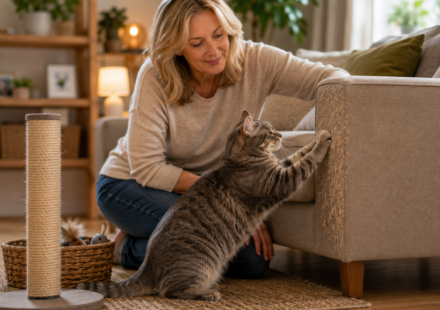
Why Cats Scratch Furniture and How to Stop the Behavior Naturally?
Few things frustrate cat owners more than finding scratches on sofas, chairs, or wooden furniture. While this behavior may seem destructive, scratching is actually a completely natural and important part of a cat’s life. Understanding why cats scratch…
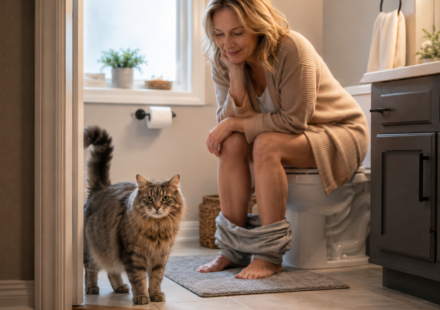
Why Does Your Cat Follow You to the Bathroom Every Morning? Common Reasons Explained
Many cat owners are familiar with the same daily routine: the moment they head toward the bathroom in the morning, their cat follows closely behind. Some cats wait outside the door, while others insist on coming inside and watching every move. Although…
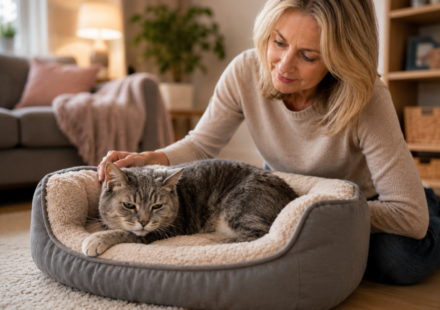
How to Choose the Best Bed for an Elderly Cat With Mobility Problems
As cats age, comfort becomes more important than ever. Senior cats with mobility problems often struggle with arthritis, stiff joints, muscle weakness, or reduced flexibility. Simple activities such as jumping onto furniture or curling up in tight spaces…
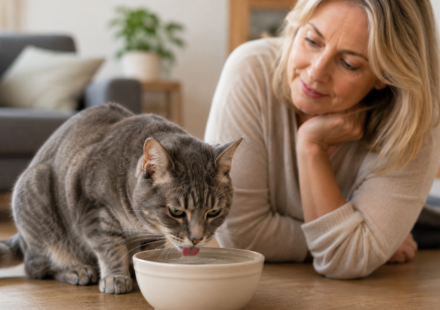
Senior Cat Drinking More Water: Should You Worry About Their Health?
As cats grow older, owners often begin noticing small changes in their daily habits. One of the most common concerns is increased drinking. If your senior cat suddenly seems to spend more time at the water bowl, it may leave you wondering whether it is…
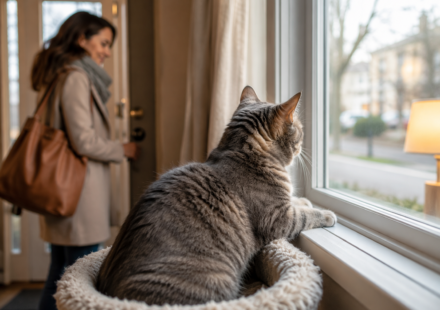
Do Senior Cats Miss You More When You’re Away? Understanding Emotional Attachment in Aging Cats
Many cat owners wonder whether their senior cats miss them when they leave home. While cats are often seen as independent animals, research and everyday experience suggest that cats can form deep emotional bonds with their owners. In fact, as cats grow…
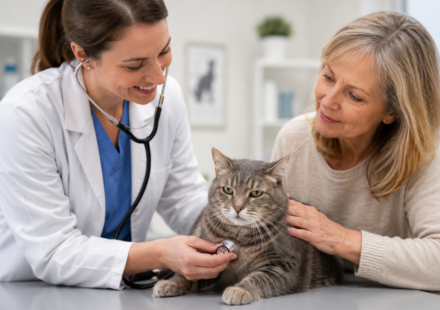
How Often Should Senior Cats Visit the Vet? A Complete Health Check Guide
As cats enter their senior years, regular veterinary care becomes more important than ever. Aging cats are more likely to develop health problems that may not show obvious symptoms in the early stages. Routine vet visits can help detect illnesses sooner,…