










Best Ways to Keep Your Senior Cat Healthy, Happy, and Active
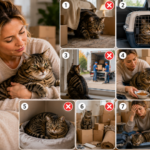
As cats grow older, their needs begin to change. Senior cats may move more slowly, sleep longer, and become more sensitive to stress or health problems. However, aging does not mean a cat cannot continue enjoying a happy and fulfilling life. With proper care, attention, and a supportive environment, senior cats can remain healthy, comfortable, and emotionally connected for many years.
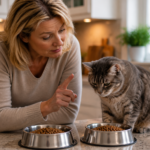
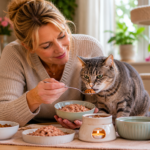
One of the most important ways to support an aging cat is through proper nutrition. Senior cats often require diets specifically designed for older animals. High-quality senior cat food typically contains balanced protein, essential vitamins, and nutrients that support aging organs and joints. Maintaining a healthy body weight is also critical because excess weight can worsen arthritis, diabetes, and heart problems.
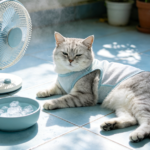
Hydration is equally important. Older cats are more prone to dehydration and kidney-related issues. Providing fresh water in multiple locations around the home can encourage drinking. Some cats prefer pet fountains because moving water is more appealing than still water bowls. Wet food can also help increase daily moisture intake.
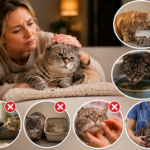
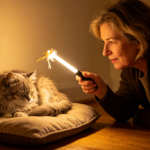
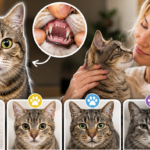
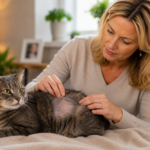
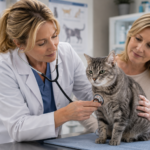
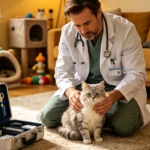
Regular veterinary care becomes increasingly important as cats age. Many illnesses, including kidney disease, diabetes, hyperthyroidism, and dental problems, are common in senior cats but may develop gradually without obvious symptoms. Routine checkups, blood tests, and dental exams help detect health issues early when treatment is often more effective.
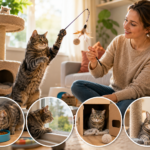
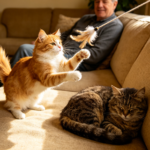
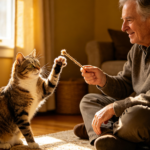
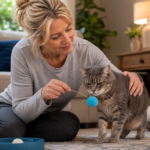
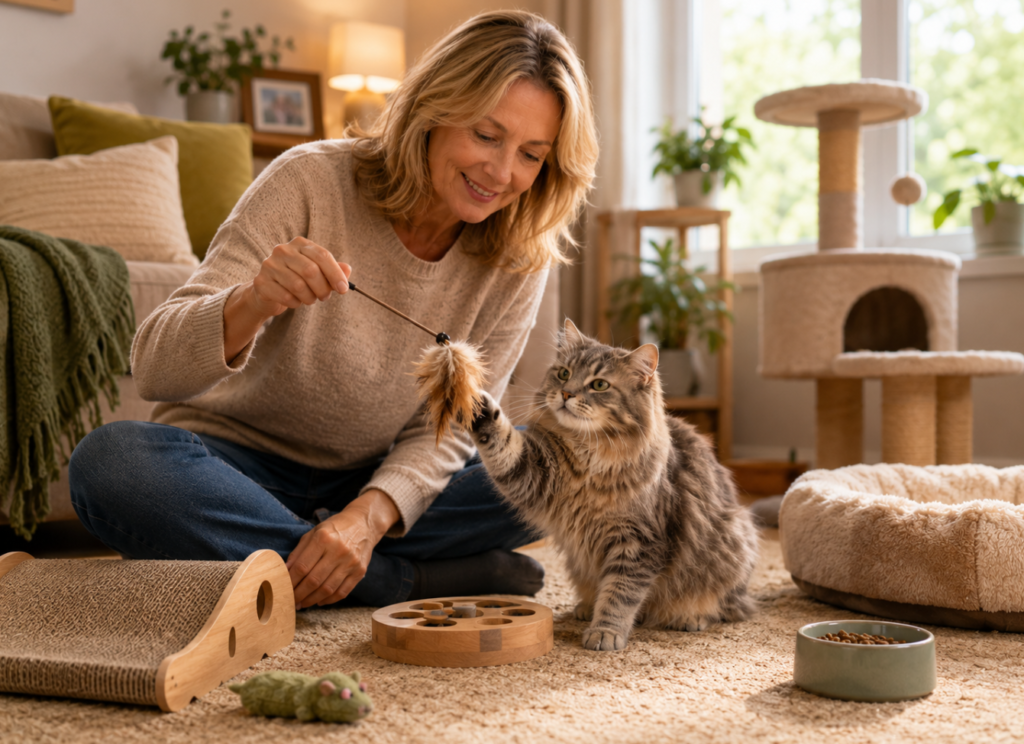
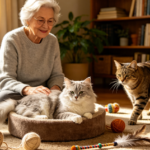
Keeping senior cats physically active is another key factor in healthy aging. While older cats may not play as intensely as younger cats, gentle daily activity helps maintain muscle strength and joint flexibility. Short play sessions with feather toys, soft balls, or interactive toys can encourage movement without causing exhaustion. Even light exercise can improve both physical and emotional well-being.
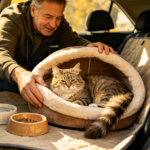
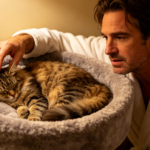
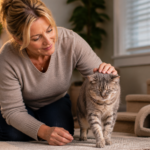
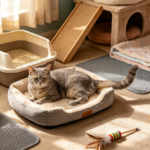
Comfort at home also plays a major role. Senior cats often develop arthritis or mobility problems that make jumping and climbing difficult. Soft orthopedic beds, pet ramps, and easily accessible food and litter areas can greatly improve comfort. Non-slip rugs may also help prevent slipping on smooth floors.
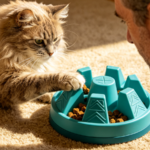
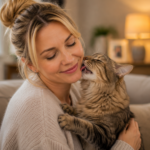
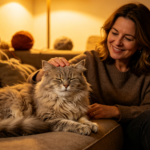
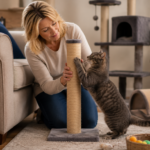
Mental stimulation is just as important as physical health. Boredom and loneliness can negatively affect elderly cats. Window perches, puzzle feeders, scratching posts, and interactive play can help keep a senior cat mentally engaged. Gentle affection and quiet companionship also provide emotional comfort.
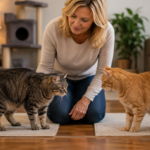
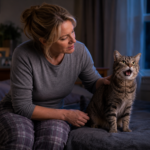
Reducing stress is especially important for older cats. Aging cats usually prefer calm routines and familiar environments. Sudden changes such as moving furniture, introducing new pets, or loud noises may create anxiety. Maintaining consistent routines helps senior cats feel secure and relaxed.
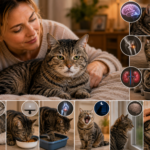
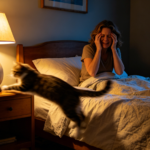
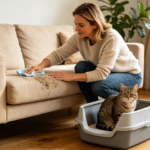
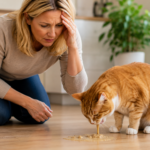
Owners should also monitor changes in behavior closely. Increased sleeping, reduced appetite, excessive drinking, confusion, or changes in litter box habits may indicate underlying health issues. Cats are skilled at hiding discomfort, so even small changes can be important warning signs.
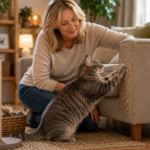
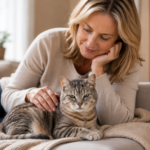
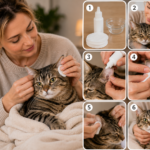
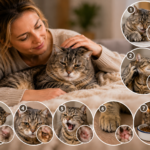
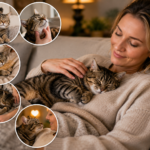
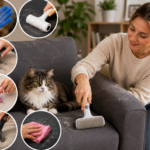
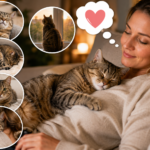
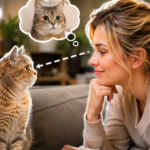
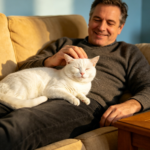
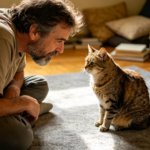
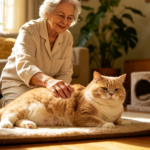
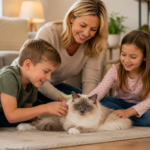
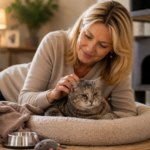
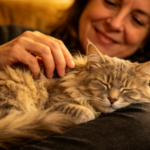
Perhaps most importantly, senior cats need patience and love. Aging may slow them down physically, but emotional bonds often become stronger over time. Spending quiet time together, grooming gently, and simply being present can greatly improve a senior cat’s quality of life.
Growing older is a natural part of life, and with thoughtful care, senior cats can continue to live healthy, happy, and active lives surrounded by comfort and affection.
Related posts:
 Top 10 Tips to Help Your Senior Cat Thrive in Their Golden Years and Improve Your Senior Cat’s
 Simple Home Changes That Can Improve Life for Your Elderly Cat
 Common Health Problems in Senior Cats and Warning Signs Every Owner Should Know
 10 Essential Tips to Create a Comfortable and Safe Space for Your Senior Cat
 10 Summer Care Tips to Protect Senior Cats From Heatstroke Every Pet Owner Should Follow
 Why Senior Cats Stop Playing and How to Encourage Them to Stay Active
 How Often Should Senior Cats Get Checkups and How to Prepare
 Top 7 Ways to Make Your Senior Cat Live Longer and Happier
 What Can Owners Do to Help Senior Cats Live Longer and Good Health
 How Often Should Senior Cats Visit the Vet? A Complete Health Check Guide