































Best Ways to Introduce a New Kitten to an Older Cat Successfully
Bringing a new kitten into a home with an older cat can be exciting, but it can also be stressful for both pets if the introduction is rushed. Senior cats are often attached to their routines, territory, and quiet environment, while kittens are naturally energetic and curious. A successful introduction requires patience, gradual steps, and understanding of feline behavior.
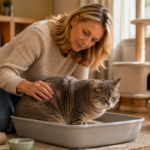
One of the most important things owners can do is avoid forcing the cats together too quickly. Older cats may feel threatened or overwhelmed by the sudden arrival of a playful kitten. Instead of immediate face-to-face interaction, the new kitten should first stay in a separate room with its own food, water, litter box, and bed. This allows both cats to become familiar with each other’s scent without direct contact.
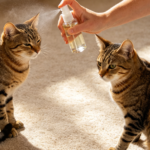
Scent introduction is a key part of the process. Cats rely heavily on smell to recognize safety and territory. Owners can gently swap blankets, bedding, or toys between the cats so they become accustomed to each other’s scent in a non-threatening way. Some owners also gently pet one cat and then the other to transfer scent naturally.
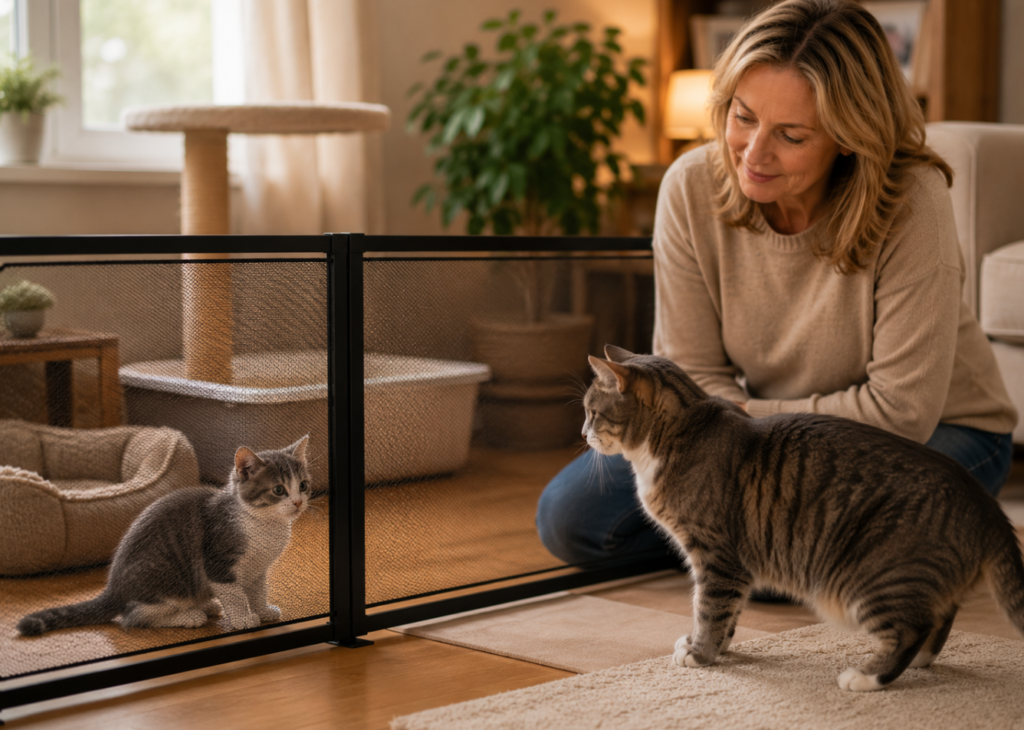
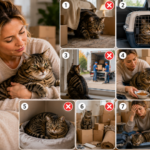
After several days, supervised visual introductions can begin. Using a baby gate, cracked door, or carrier allows the cats to see each other while maintaining distance. It is normal for some hissing or cautious behavior to occur during these early interactions. Senior cats may need extra time to adjust, especially if they have lived alone for many years.
Positive reinforcement can help create better associations. Offering treats, praise, or gentle playtime while the cats are near each other helps both animals connect the experience with something positive. Owners should remain calm because cats can sense human stress and tension.
It is also important to respect the older cat’s space and routine. Senior cats often become stressed when they feel replaced or ignored. Continuing regular feeding schedules, cuddle time, and familiar routines helps reassure the older cat that their environment is still safe and stable.
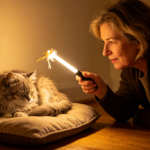
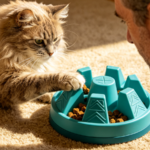
Kittens naturally have much higher energy levels than elderly cats. Providing separate play opportunities for the kitten can prevent the senior cat from becoming irritated or exhausted. Interactive toys, climbing areas, and regular play sessions help the kitten release energy in healthy ways.
Resource sharing should also be avoided during the adjustment period. Each cat should have its own food bowls, litter boxes, beds, and resting areas. Competition over resources can create stress and territorial conflict, especially for older cats.
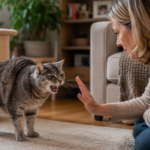
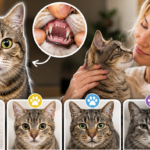
Owners should carefully watch body language throughout the introduction process. Relaxed posture, slow blinking, and calm curiosity are positive signs, while flattened ears, growling, swatting, or prolonged hiding may indicate stress. Some cats adjust within days, while others may need several weeks or even months to fully accept one another.
Patience is essential. Forcing interaction or punishing defensive behavior often increases fear and tension. Slow introductions allow trust to develop naturally over time.
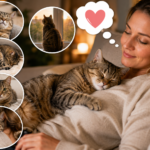
Although introducing a kitten to an older cat may require extra effort, many senior cats eventually benefit from companionship. With proper guidance, respect for boundaries, and gradual socialization, both cats can learn to live together peacefully and even form strong bonds over time.
Related posts:
 Senior Cat Grooming Tips for Older Cats With Matted Fur
 10 Essential Tips to Create a Comfortable and Safe Space for Your Senior Cat
 10 Summer Care Tips to Protect Senior Cats From Heatstroke Every Pet Owner Should Follow
 Why Senior Cats Stop Playing and How to Encourage Them to Stay Active
 How Often Should Senior Cats Get Checkups and How to Prepare
 Top 7 Ways to Make Your Senior Cat Live Longer and Happier
 What Can Owners Do to Help Senior Cats Live Longer and Good Health
 Simple Home Changes That Can Improve Life for Your Elderly Cat
 How Often Should Senior Cats Visit the Vet? A Complete Health Check Guide
 How to Choose the Best Bed for an Elderly Cat With Mobility Problems