









































Why Cats Scratch Furniture and How to Stop the Behavior Naturally?
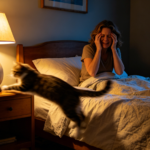
Few things frustrate cat owners more than finding scratches on sofas, chairs, or wooden furniture. While this behavior may seem destructive, scratching is actually a completely natural and important part of a cat’s life. Understanding why cats scratch can help owners redirect the behavior in healthy and effective ways without punishment.
One of the main reasons cats scratch furniture is to maintain their claws. Scratching helps remove the outer layer of dead nail tissue, keeping claws healthy and sharp. It also stretches the muscles in the legs, shoulders, and back, providing physical exercise and stress relief.
Cats also scratch to mark territory. Cats have scent glands in their paws, and scratching leaves both a visual mark and a scent signal behind. This behavior helps cats feel secure and communicate ownership of their environment. Furniture is often targeted because it is located in busy areas where human scent is strongest.
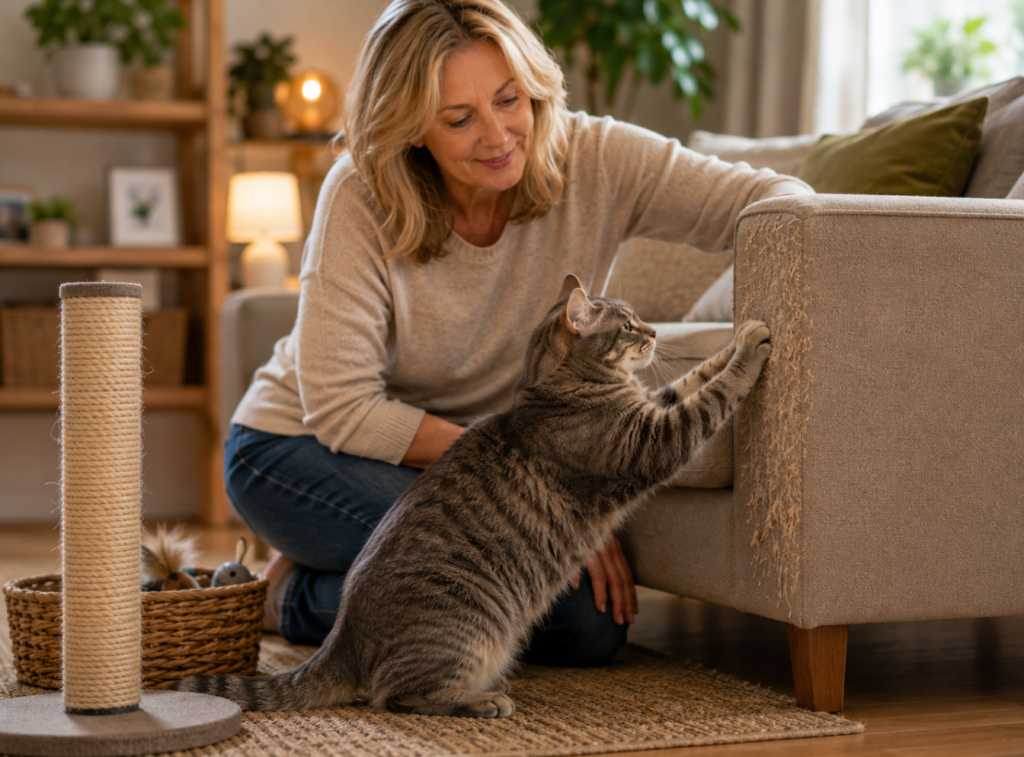
Stress and boredom can also increase scratching behavior. Cats that lack stimulation or feel anxious may scratch more frequently to release energy and emotions. Changes in routine, moving to a new home, or the arrival of another pet can sometimes trigger excessive scratching.
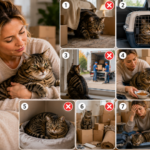
Fortunately, there are many natural ways to reduce furniture scratching without harming the cat. One of the most effective solutions is providing appropriate scratching surfaces. Scratching posts, cardboard scratchers, and cat trees give cats an acceptable place to scratch. Different cats prefer different textures, so owners may need to experiment with sisal, cardboard, carpet, or wood surfaces.
Placement is extremely important. Many owners place scratching posts in corners where cats rarely spend time, but cats prefer scratching near sleeping areas or social spaces. Positioning scratchers close to furniture the cat already targets often increases success.
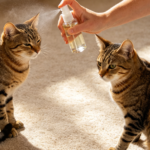
Positive reinforcement works much better than punishment. Whenever a cat uses the scratching post, owners can reward the behavior with praise, treats, or playtime. Punishment, yelling, or spraying water may only create fear and confusion without solving the problem.
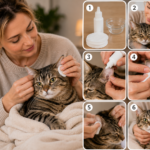
Furniture protection can also help during training. Double-sided tape, furniture covers, or pet-safe deterrent sprays may discourage scratching on certain surfaces because cats dislike sticky or unfamiliar textures. Trimming a cat’s nails regularly can also reduce damage.
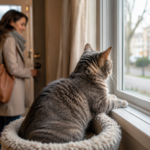
Environmental enrichment is another important factor. Interactive toys, climbing areas, window perches, and daily play sessions help reduce boredom and stress. Cats that are mentally and physically stimulated are often less likely to develop destructive habits.
For multi-cat households, providing multiple scratching areas may reduce territorial stress. Cats often prefer having their own spaces to scratch and relax.
It is important to remember that scratching is normal feline behavior, not bad behavior. Cats are not trying to upset their owners or destroy furniture intentionally. They are simply following natural instincts that support physical and emotional health.
With patience, consistency, and the right environment, most cats can learn to redirect scratching toward appropriate surfaces. By understanding the reasons behind the behavior instead of punishing it, owners can protect their furniture while also supporting their cat’s well-being and happiness.
Related posts:
 How to Bond With Your Senior Cat Deeply in Their Golden Years
 7 Clear Signs Your Senior Cat Is Nearing the End of Life You Should Never Miss
 Getting a New Pet? How to Help Your Senior Cat Accept It
 Low-Intensity Interactive Games for Senior Cats: Fun & Gentle Ways to Keep Them Engaged
 Do Senior Cats Get Lonely? Common Signs and Practical Ways to Comfort Them
 Do Senior Cats Miss You More When You’re Away? Understanding Emotional Attachment in Aging Cats