





























How Often Should Senior Cats Visit the Vet? A Complete Health Check Guide
As cats enter their senior years, regular veterinary care becomes more important than ever. Aging cats are more likely to develop health problems that may not show obvious symptoms in the early stages. Routine vet visits can help detect illnesses sooner, improve treatment outcomes, and support a longer, healthier life. Many cat owners wonder how often senior cats should see a veterinarian, and the answer depends on age, overall health, and lifestyle.
Most veterinarians consider cats to be “senior” around the age of 10. At this stage, experts generally recommend wellness exams at least twice a year. Because cats age faster than humans, six months for a cat can be comparable to several human years. Regular checkups allow veterinarians to monitor subtle changes before they become serious medical conditions.
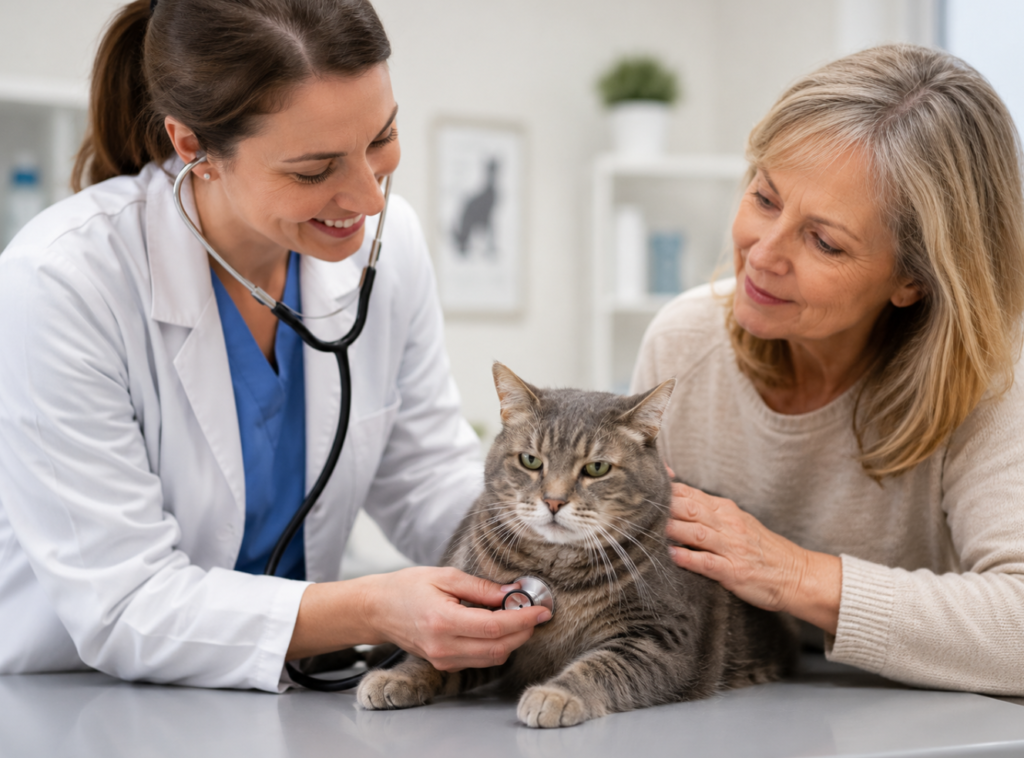
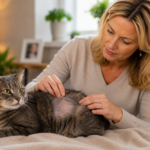
During a senior cat wellness exam, veterinarians usually perform a full physical examination. They check body weight, muscle condition, teeth, eyes, ears, heart, joints, and overall mobility. Weight changes are especially important because sudden weight loss or gain can indicate underlying diseases such as hyperthyroidism, kidney disease, or diabetes.
Blood tests are another important part of senior cat healthcare. Routine bloodwork helps detect common age-related illnesses early, often before visible symptoms appear. Kidney disease, liver problems, thyroid disorders, and diabetes can frequently be identified through regular laboratory testing. Early diagnosis often leads to more effective treatment and improved quality of life.
Urine testing may also be recommended during senior checkups. Changes in urine concentration or the presence of protein, sugar, or bacteria can reveal problems involving the kidneys or urinary tract. Since urinary conditions are common in older cats, these tests provide valuable information about internal health.
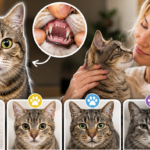
Dental care is another major reason for regular vet visits. Many elderly cats develop dental disease, gum inflammation, or painful tooth decay. Oral pain can reduce appetite and affect overall well-being. Veterinarians may recommend professional cleanings or treatments to prevent discomfort and infection.
Senior cats with arthritis or mobility issues may also benefit from more frequent evaluations. Joint pain is often difficult to recognize because cats naturally hide discomfort. A veterinarian can assess movement, recommend joint supplements, pain management strategies, or suggest lifestyle changes to improve comfort at home.
Behavioral changes should never be ignored in aging cats. Increased vocalization, confusion, hiding, litter box accidents, or changes in sleeping patterns may signal cognitive decline or medical problems. Discussing these changes during routine visits can help identify possible causes early.
Even healthy-looking senior cats should not skip regular veterinary care. Many illnesses progress silently, and by the time symptoms become obvious, the disease may already be advanced. Preventive healthcare is often far less stressful and expensive than emergency treatment later.
In addition to veterinary visits, owners should monitor their senior cat closely at home. Changes in appetite, drinking habits, grooming, activity level, or mood may all provide important clues about health.
Growing older is a natural part of life, but with consistent veterinary care and attentive monitoring, senior cats can continue to enjoy many happy, comfortable years with the people who love them.
Related posts:
 How Often Should Senior Cats Get Checkups and How to Prepare
 10 Common Health Problems in Senior Cats You Should Never Ignore
 Common Senior Cat Health Problems You Should Never Ignore
 Why Is My Senior Cat Losing Weight Suddenly? Top Health Reasons and How to Help
 10 Essential Tips to Create a Comfortable and Safe Space for Your Senior Cat
 10 Summer Care Tips to Protect Senior Cats From Heatstroke Every Pet Owner Should Follow
 Why Senior Cats Stop Playing and How to Encourage Them to Stay Active
 Top 7 Ways to Make Your Senior Cat Live Longer and Happier
 What Can Owners Do to Help Senior Cats Live Longer and Good Health
 Why Your Senior Cat Meows at Night: Health Reasons Explained