
















































When Is a Cat Considered Senior? Cat Age and Aging Explained
Many cat owners are surprised to learn how quickly cats age compared to humans. A playful kitten can seem young for years, but behind the scenes, important physical and biological changes are already taking place. Understanding when a cat becomes a senior and how aging affects their body can help owners provide better care throughout every stage of life.
Most veterinarians consider cats to be “senior” around the age of 10. Cats between 7 and 10 years old are often described as mature or middle-aged, while cats older than 10 enter the senior stage. Cats over the age of 15 are sometimes referred to as “super seniors” because they often require even more specialized care and monitoring.
Although many people compare cat years to human years, aging is not perfectly linear. Cats mature very quickly during their first two years of life. By age 2, a cat is already physically comparable to a young adult human. After that, each additional cat year is often estimated to equal about four human years. However, every cat ages differently depending on genetics, lifestyle, diet, and medical care.
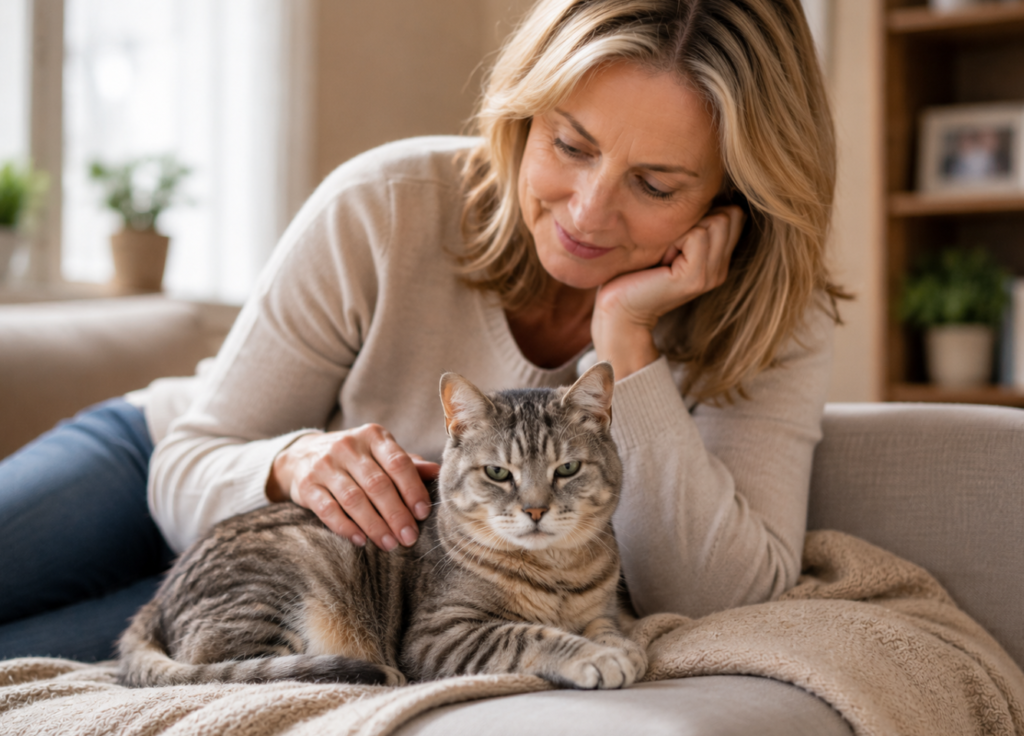
As cats grow older, several natural physical changes may begin to appear. Senior cats often become less active and sleep more during the day. Their metabolism may slow down, causing weight gain in some cats or muscle loss in others. Joints may become stiffer with age, making jumping and climbing more difficult.
Changes in grooming habits are also common. Some elderly cats groom less effectively because arthritis or reduced flexibility makes it uncomfortable to reach certain areas. As a result, their coat may appear less smooth or become matted more easily.
Vision and hearing may gradually decline as well. Older cats sometimes become startled more easily or appear less responsive to sounds. Some may also experience cognitive changes similar to memory decline in humans. Confusion, wandering at night, increased vocalization, or changes in sleeping patterns can sometimes appear in very old cats.
Aging also increases the risk of certain health conditions. Kidney disease, arthritis, diabetes, hyperthyroidism, dental disease, and high blood pressure are all more common in senior cats. Many of these illnesses develop slowly and may not show obvious symptoms at first, which is why regular veterinary checkups become especially important during the senior years.
Despite these changes, aging does not mean a cat cannot enjoy a happy and fulfilling life. Many senior cats remain affectionate, playful, and emotionally connected to their owners well into old age. Proper nutrition, routine veterinary care, mental stimulation, and a comfortable home environment all help support healthy aging.
Owners can also make small adjustments around the home to improve comfort. Soft bedding, easy access to food and litter boxes, non-slip rugs, and quiet resting spaces can make daily life easier for elderly cats.
Every cat ages differently, and some may show signs of aging earlier than others. Paying close attention to subtle physical or behavioral changes can help owners respond quickly and provide the support their aging companions need.
Growing older is a natural part of life, but with love, patience, and proper care, senior cats can continue to enjoy many peaceful and meaningful years with their families.
Related posts:
 Senior Cat Lifespan: How Long Cats Live and What Affects Their Age
 When Is a Cat Considered a Senior? Complete Age Guide
 Why Senior Cats Stop Playing and How to Encourage Them
 How to Care for a Senior Cat in Its Final Years: Essential Tips Every Cat Owner Should Know
 How Aging Affects a Cat’s Body, Mind and Mood & Simple Ways to Support Them
 Signs Your Cat Is Becoming a Senior ,You Might Be Missing!
 How Long Do Senior Cats Live? Realistic Lifespan Guide 2026
 Simple Home Changes That Can Improve Life for Your Elderly Cat
 Top Joint Supplements for Senior Cats to Reduce Pain and Improve Movement
 Why Does Your Cat Follow You to the Bathroom Every Morning? Common Reasons Explained