
























Do Senior Cats Miss You More When You’re Away? Understanding Emotional Attachment in Aging Cats
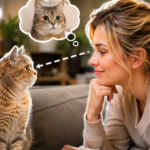
Many cat owners wonder whether their senior cats miss them when they leave home. While cats are often seen as independent animals, research and everyday experience suggest that cats can form deep emotional bonds with their owners. In fact, as cats grow older, these emotional connections may become even stronger.
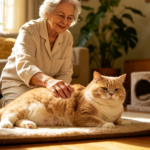
Senior cats often experience physical and behavioral changes that make them more attached to familiar people and routines. Aging cats may sleep more, become less adventurous, and rely heavily on the comfort of a stable environment. Because of this, they can become more sensitive to changes, including the temporary absence of their favorite human.
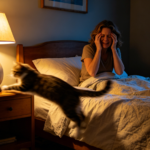
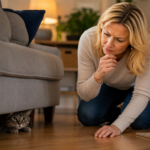
Older cats tend to feel safest around familiar scents, voices, and daily routines. When an owner leaves for work, travel, or an extended period, some senior cats may show subtle signs of missing them. These signs can include increased vocalization, changes in sleeping habits, reduced appetite, clingy behavior after the owner returns, or spending more time near doors and windows.
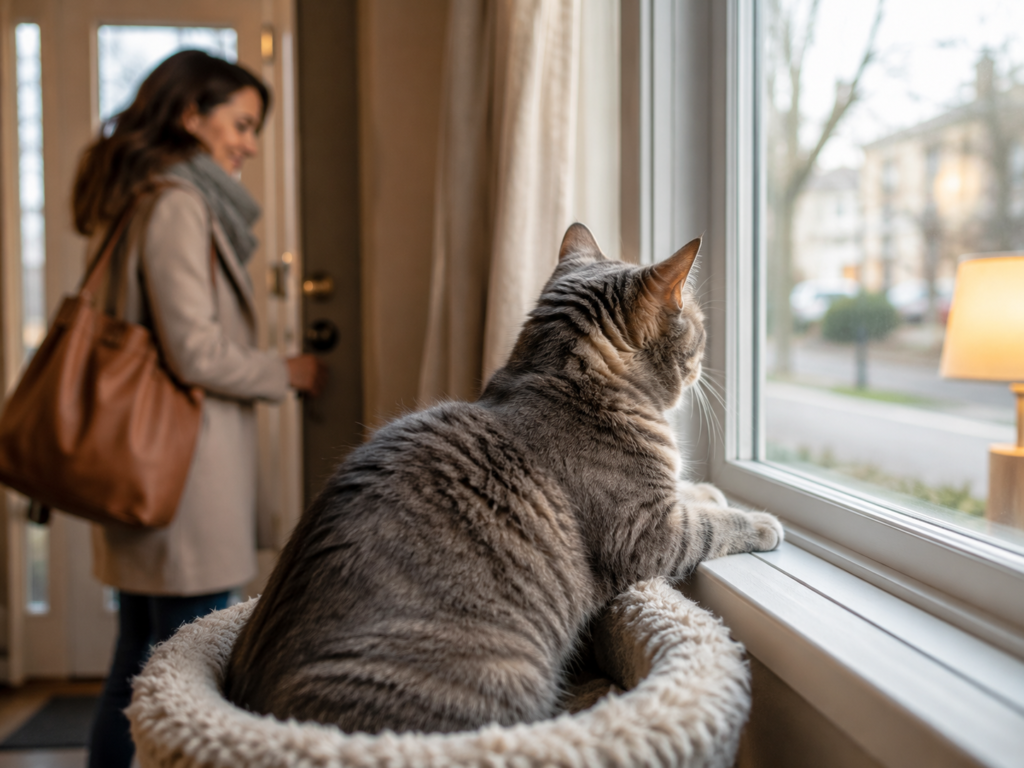
Unlike dogs, cats usually express emotions in quieter and less obvious ways. A senior cat may not dramatically react when you walk out the door, but that does not mean they are emotionally unaffected. Many elderly cats develop stronger bonds over time because they spend years building trust and companionship with their owners.
Routine plays an especially important role in an aging cat’s emotional health. Senior cats often dislike sudden changes because their ability to adapt may decrease with age. If an owner suddenly disappears for several days, an older cat may become anxious or confused. This is particularly true for cats with vision problems, hearing loss, or cognitive decline.
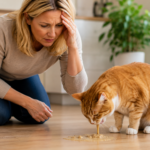
Some senior cats may also experience a form of separation stress. While severe separation anxiety is less common in cats than in dogs, elderly cats can still become emotionally distressed when left alone for long periods. They may meow excessively, stop eating normally, or become withdrawn.
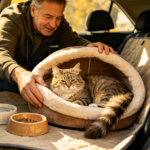
Fortunately, there are ways to help senior cats feel more secure when owners are away. Keeping routines consistent is one of the most effective strategies. Feeding times, sleeping areas, and daily interaction should remain as predictable as possible. Leaving familiar blankets, toys, or clothing with the owner’s scent can also provide comfort.
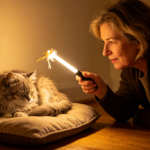
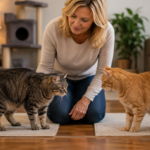
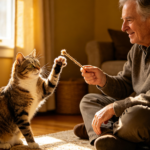
Interactive toys, window perches, and calm background sounds such as soft music may help reduce loneliness during the day. If owners travel frequently, having a trusted pet sitter visit regularly can help senior cats maintain emotional stability.
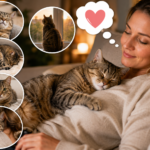
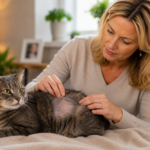
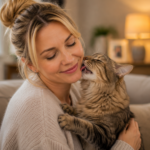
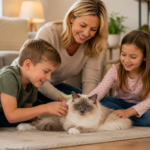
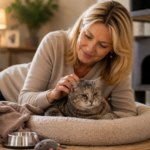
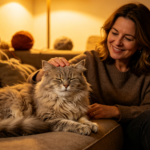
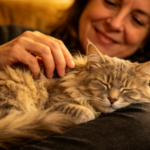
Most importantly, quality time matters. Gentle affection, brushing, talking softly, and spending quiet moments together strengthen the emotional bond between cats and their owners. Senior cats may become more affectionate as they age because they seek reassurance, comfort, and companionship.
Although cats cannot express emotions in the same way humans do, many senior cats clearly recognize and value the people they trust most. Their attachment may not always be obvious, but for many aging cats, the absence of a loved owner is deeply felt.
Related posts:
 How to Bond With Your Senior Cat Deeply in Their Golden Years
 7 Clear Signs Your Senior Cat Is Nearing the End of Life You Should Never Miss
 Getting a New Pet? How to Help Your Senior Cat Accept It
 Low-Intensity Interactive Games for Senior Cats: Fun & Gentle Ways to Keep Them Engaged
 Do Senior Cats Get Lonely? Common Signs and Practical Ways to Comfort Them