


































Top 10 Tips to Help Your Senior Cat Thrive in Their Golden Years and Improve Your Senior Cat’s
Caring for a senior cat (usually 10 years and older) is one of the most rewarding parts of pet ownership. With the right approach, your aging feline can enjoy comfortable, happy, and healthy golden years. Here are 10 practical tips to help your senior cat thrive.
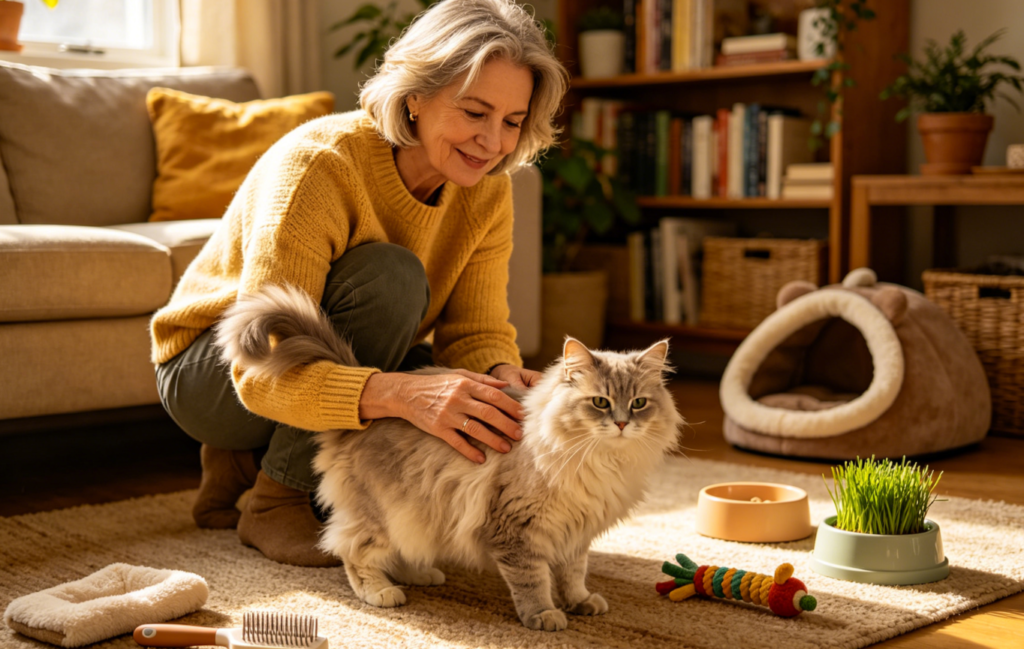
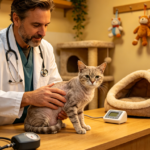
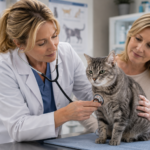
1. Schedule Regular Veterinary Check-ups Senior cats should see a vet every 6 months. Routine blood work and urinalysis can catch common issues like kidney disease, hyperthyroidism, and diabetes early, when they are much easier to manage.
2. Feed Age-Appropriate Nutrition Switch to a high-quality senior cat food with controlled phosphorus, moderate protein, and added joint supplements. Wet food is often better as it provides extra hydration and is gentler on aging teeth and kidneys.
3. Maintain a Healthy Weight Obesity puts extra strain on joints and organs. Work with your vet to keep your cat at an ideal weight through portion control and low-intensity activity.
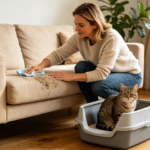
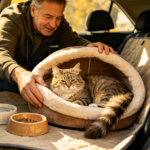
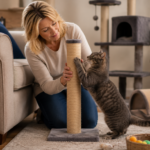
4. Create a Senior-Friendly Home Add ramps or steps to favorite perches, use low-entry litter boxes, and place non-slip rugs on slippery floors. Provide multiple cozy, warm beds in quiet areas.
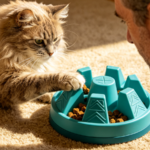
5. Encourage Gentle Daily Exercise Short sessions of low-intensity play (5–10 minutes) with feather wands, soft balls, or puzzle feeders help maintain muscle tone and mental sharpness without overexertion.
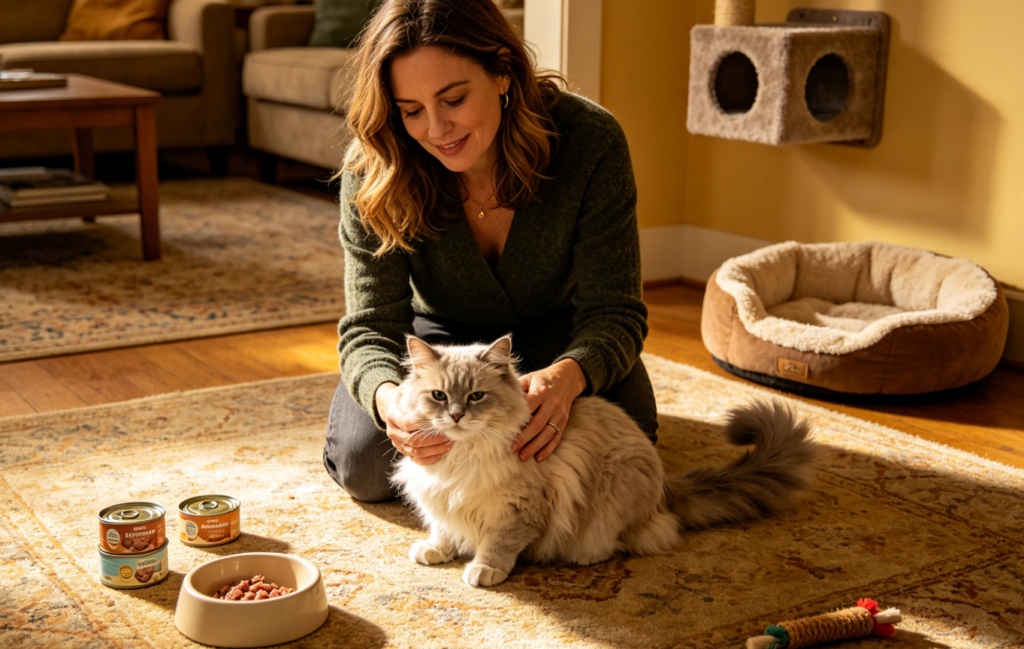
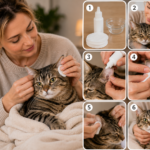
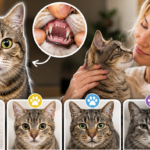
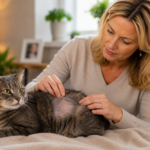
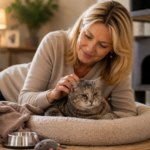
6. Prioritize Grooming and Dental Care Regular brushing prevents mats and improves circulation. Dental disease is extremely common in seniors — consider dental treats, gels, or professional cleanings.
7. Support Joint Health Many senior cats suffer from arthritis. Ask your vet about joint supplements containing glucosamine, chondroitin, and omega-3s. Heated beds can also provide soothing comfort.
8. Keep Them Mentally Stimulated Boredom can lead to depression. Use treat puzzles, window perches for bird watching, and gentle interactive play to keep their mind active.
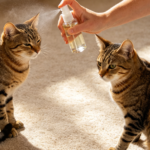
9. Manage Stress and Anxiety Senior cats are more sensitive to change. Maintain consistent routines and consider calming pheromone diffusers (like Feliway) if needed.
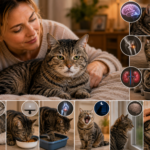
10. Monitor Daily Habits Closely Watch for changes in appetite, water intake, litter box use, grooming, and activity level. Early detection of problems is key to successful treatment.
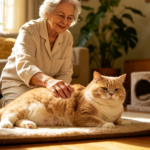
Bonus Tip: Give your senior cat plenty of love and affection. Extra cuddles, gentle petting, and quality time strengthen your bond and reduce stress.
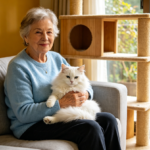
By following these 10 tips, you can significantly improve your senior cat’s quality of life and help them enjoy their golden years to the fullest. Many cats continue to be playful, affectionate, and comfortable well into their late teens with dedicated care.
Your senior cat has been with you through many happy moments — now it’s your turn to make their later years just as wonderful.
Related posts:
 10 Common Health Problems in Senior Cats You Should Never Ignore
 Common Senior Cat Health Problems You Should Never Ignore
 Why Is My Senior Cat Losing Weight Suddenly? Top Health Reasons and How to Help
 Senior Cat Lethargy: Causes, Symptoms and What to Do for Concerned Pet Owners
 7 Silent Senior Cat Health Issues Most Owners Miss Until It’s Too Late