









Weight Management for Overweight Senior Cats: Safe Diet & Exercise Tips
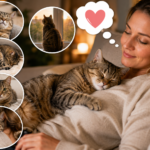
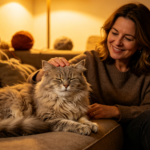
Weight gain is one of the most common health issues affecting senior cats aged 11 years and older. As cats age, their metabolism slows down significantly, and their daily activity levels gradually decrease. However, many owners continue feeding them the same portion sizes and high-calorie food as before, leading to unwanted weight gain. Extra body weight places severe pressure on senior cats’ aging bodies, triggering arthritis, diabetes, kidney disease, and heart problems. Proper weight management is essential to help overweight senior cats stay healthy and extend their lifespan.
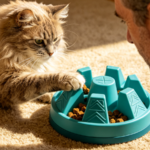
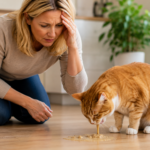
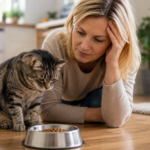
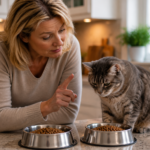
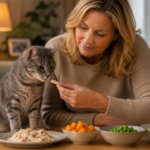
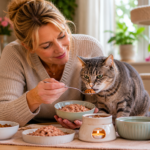
Safe and scientific diet adjustment is the core of senior cat weight control. Unlike young cats, senior felines cannot endure drastic dieting, which may cause muscle loss and weakened immunity. Owners should switch to vet-recommended low-calorie, high-protein senior cat food. High-quality protein preserves aging muscle mass, while balanced fiber improves digestion and creates a full feeling. Avoid feeding human snacks, fatty treats, and excessive wet food. Divide daily meals into three to four small portions to prevent overeating and stabilize metabolism.
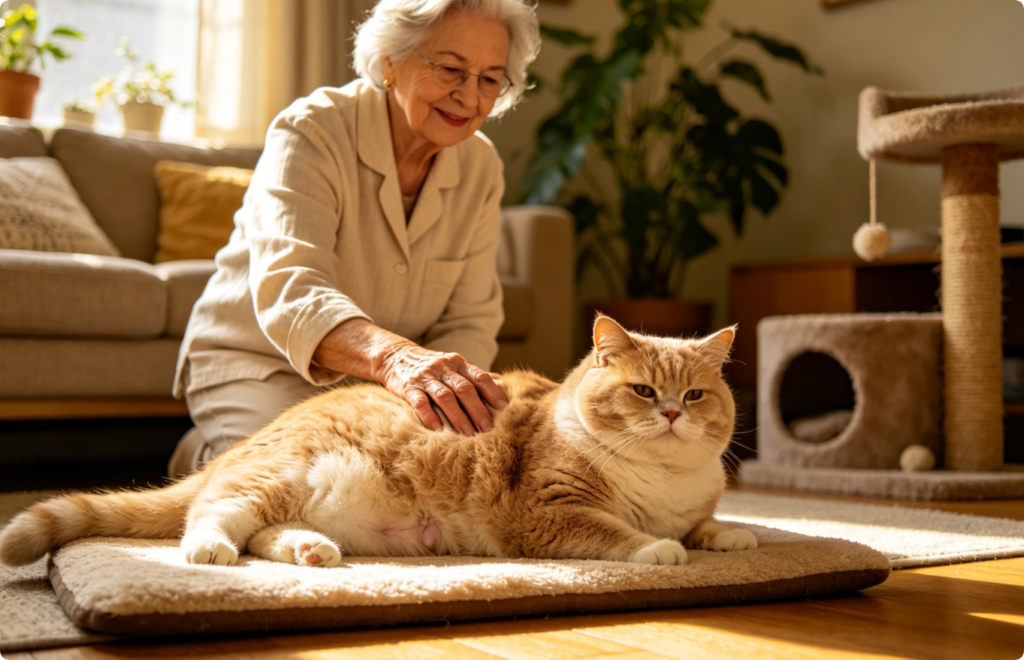
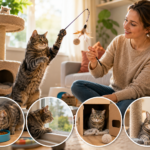
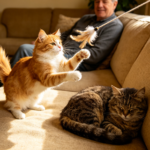
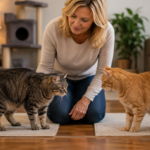
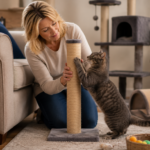
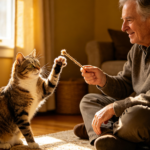
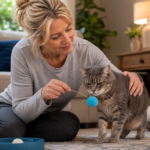
Moderate, low-impact exercise is another key part of healthy weight management. Overweight senior cats usually suffer from joint stiffness, so intense exercise is not suitable. Instead, arrange 5 to 10 minutes of gentle daily play with soft toys, encouraging them to stretch and walk slowly. Placing food bowls and window perches in slightly different spots can motivate them to move more throughout the day without overexertion.
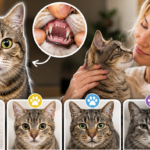
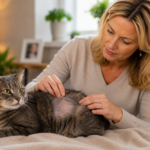
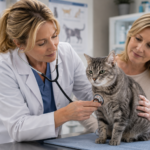
Regular weight monitoring and health checks are indispensable. Weigh your senior cat every one to two weeks to track subtle changes. A slow, steady weight loss of 1% to 2% of body weight per week is the safest standard for aging cats. During routine vet visits, ask professionals to evaluate their body condition and adjust diet and exercise plans accordingly.
In short, weight management for overweight senior cats relies on balanced diets, gentle exercise, and consistent monitoring. With patient, gradual adjustments, owners can help their senior cats maintain a healthy weight, reduce age-related disease risks, and enjoy a comfortable old age.
Related posts:
 10 Common Health Problems in Senior Cats You Should Never Ignore
 Common Senior Cat Health Problems You Should Never Ignore
 Why Is My Senior Cat Losing Weight Suddenly? Top Health Reasons and How to Help
 Top 10 Tips to Help Your Senior Cat Thrive in Their Golden Years and Improve Your Senior Cat’s
 Why Your Senior Cat Meows at Night: Health Reasons Explained
 How Often Should Senior Cats Visit the Vet? A Complete Health Check Guide
 Why Is My Senior Cat Constipated? Common Causes and Solutions Explained
 Does Your Senior Cat Have Arthritis? Quiet Signs You Shouldn’t Ignore
 Senior Cat Skin Issues: Why Your Feline Itches & Develops Bald Spots, Plus Practical Treatments
 8 Warning Signs You Should Take Your Senior Cat to the Vet Immediately