









































Adult Cats and Senior Cats: What Are the Big Differences You Need to Know?
Many cat owners simply divide their cats into young and old, ignoring the clear gaps between adult cats and senior cats. Generally, cats aged 1 to 6 years old are considered adults, while those over 7 years old enter their senior stage. Though they look similar on the surface, their physical conditions, personalities, daily behaviors and care needs vary greatly. Understanding these key differences is essential to provide targeted care and help your feline friends live a healthier and more comfortable life.
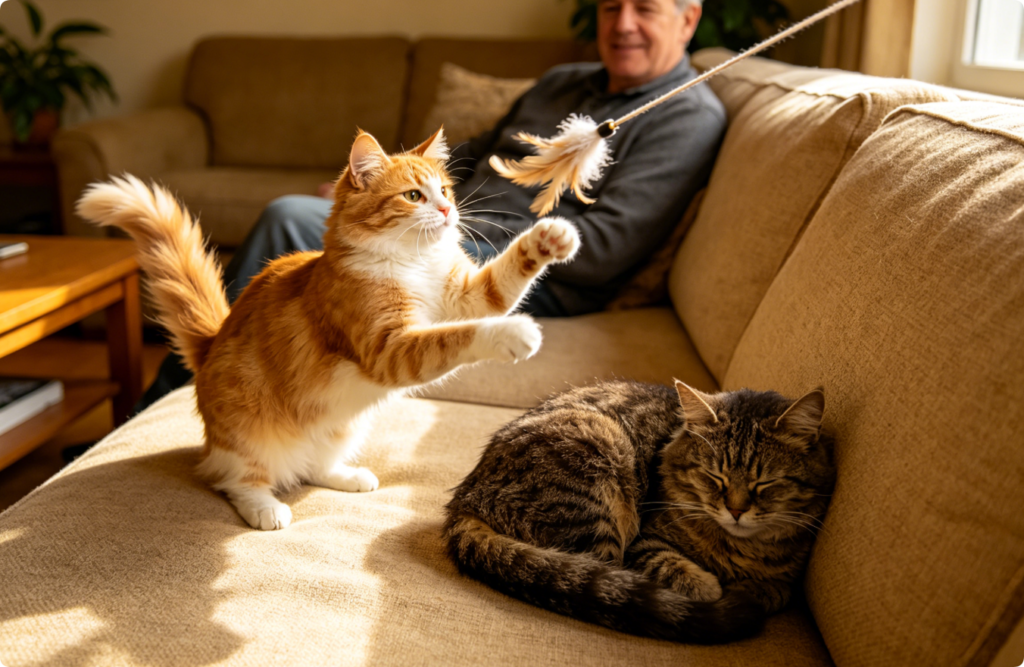
The most obvious difference lies in physical fitness and energy levels. Adult cats are in their prime physical state. They have fast metabolism, strong limbs and abundant energy. They love chasing toys, climbing shelves and exploring the house actively. They recover quickly from minor fatigue and rarely have underlying health problems. In contrast, senior cats experience obvious physical aging. Their metabolism slows down significantly, muscle mass decreases, and joint flexibility declines. They get tired easily and prefer long hours of rest over intense activities, and their physical recovery ability becomes much weaker.
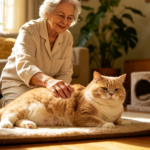
Their personalities and daily behaviors also change drastically. Adult cats are curious, alert and playful. They are willing to interact with owners, respond actively to teasing, and keep a regular and lively daily routine. Senior cats become quiet, docile and low-key. They lose interest in noisy games and constant exploration. Instead of active interaction, they crave peaceful companionship, like curling up beside their owners for a nap. They also develop fixed living habits and are more sensitive to environmental changes.
Health risks and daily care requirements are another major distinction. Adult cats are sturdy and only need basic care, including regular deworming, routine vaccinations and balanced daily diet. Senior cats are prone to age-related diseases such as arthritis, kidney disease and poor eyesight. They require more meticulous care, including low-fat and easy-to-digest senior cat food, regular full-body physical examinations, and warm and quiet living environments.
In short, adult cats are energetic and independent, while senior cats are fragile and dependent. Recognizing these differences allows pet owners to adjust feeding, care and company methods timely. Proper targeted care can effectively delay aging and let senior cats spend their old age warm and healthy.
Related posts:
 10 Common Health Problems in Senior Cats You Should Never Ignore
 When Is a Cat Considered a Senior? Complete Age Guide
 How Aging Affects a Cat’s Body, Mind and Mood & Simple Ways to Support Them
 Signs Your Cat Is Becoming a Senior ,You Might Be Missing!
 How Long Do Senior Cats Live? Realistic Lifespan Guide 2026
 When Is a Cat Considered Senior? Cat Age and Aging Explained
 6 Key Signs Your Senior Cat Is Nearing the End of Life
 Best Cat Breeds for First-Time Owners: Friendly, Easy-Care Cats for Beginners
 How to Introduce Two Cats Successfully Without Stress, Fighting, or Fear
 Why Is My Cat Throwing Up? Common Causes and When You Should Worry