


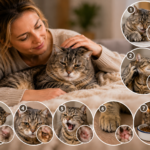

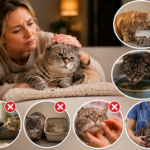




















7 Silent Senior Cat Health Issues Most Owners Miss Until It’s Too Late
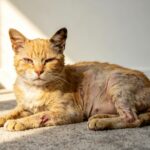
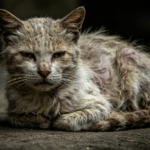
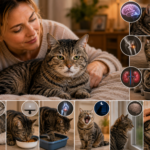
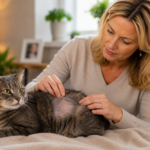
As cats enter their senior years—typically 11 and older—they become masters at hiding discomfort. Their survival instincts tell them to conceal weakness, which means many serious health problems progress quietly until they reach advanced stages. Responsible owners who know what subtle signs to watch for can intervene earlier and significantly improve their cat’s quality of life and longevity.
Here are seven common yet often overlooked conditions in senior cats:
1. Chronic Kidney Disease (CKD) One of the most prevalent issues in older cats, CKD causes gradual loss of kidney function. Early signs are easy to dismiss: slightly increased water drinking, more frequent or larger litter box clumps, and mild weight loss. By the time vomiting, lethargy, or poor appetite appear, significant damage has often already occurred. Regular blood and urine tests after age 10 are crucial for early detection.
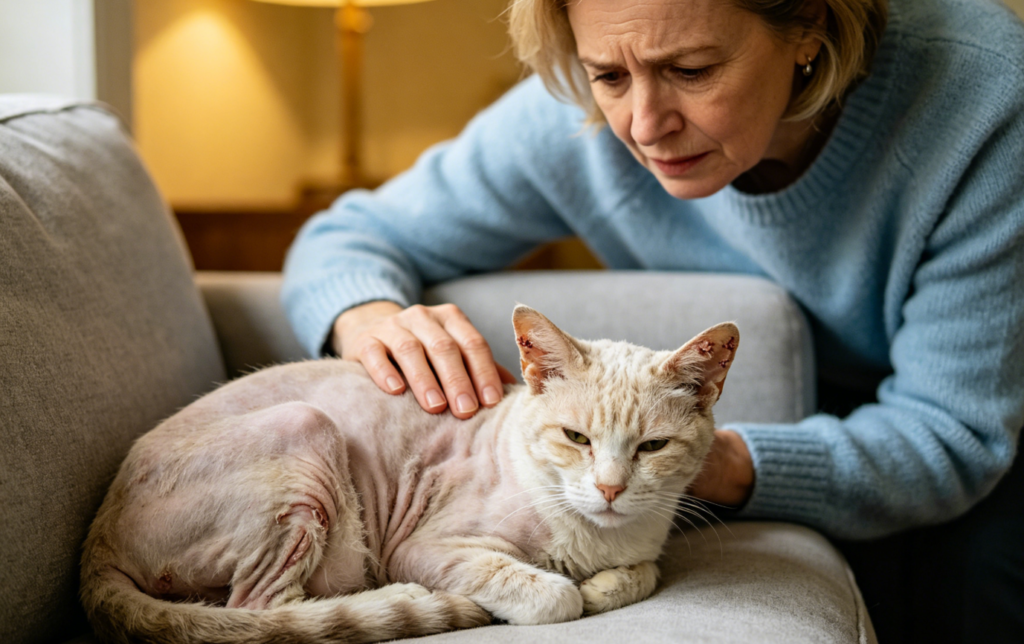
2. Hyperthyroidism Overactive thyroid glands speed up a cat’s metabolism. Owners may notice their senior cat becoming more active or hungry while still losing weight. Other subtle clues include occasional vomiting, restlessness, or a slightly unkempt coat. Without treatment, it can lead to heart problems and high blood pressure. A simple blood test can confirm it, and most cats respond well to medication, diet, or radioactive iodine therapy.
3. Osteoarthritis (Arthritis) Many senior cats suffer from joint pain but stop jumping to high places or using the litter box properly rather than limping. They may hesitate on stairs, sleep more, or seem irritable when touched. Pain often goes unnoticed because cats are stoic. Joint supplements, weight management, and veterinarian-prescribed pain relief can restore comfort and mobility.
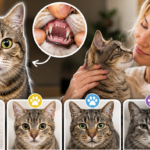
4. Dental Disease By their teens, most cats have some degree of periodontal disease or tooth resorption. Signs like bad breath, drooling, or dropping food are often missed because cats continue eating. Chronic oral pain and infection can affect the heart, kidneys, and overall health. Annual dental checks under anesthesia, when safe, are recommended for senior cats.
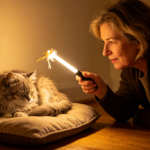
5. Hypertension (High Blood Pressure) Often secondary to kidney disease or hyperthyroidism, high blood pressure can quietly damage eyes, brain, heart, and kidneys. The first noticeable sign is sometimes sudden blindness. Routine blood pressure checks during senior wellness visits can catch this “silent killer” before irreversible damage occurs.
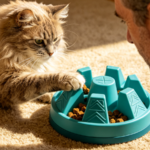
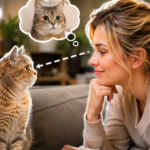
6. Feline Cognitive Dysfunction (FCD) Similar to dementia in humans, FCD causes disorientation, changes in sleep patterns, house-soiling, and altered social interactions. Owners often attribute these to “normal aging.” While there’s no cure, medications, environmental enrichment, and special diets can slow progression and maintain quality of life.
7. Diabetes Mellitus Increased thirst and urination are classic but frequently overlooked signs, especially if the cat has always been a good drinker. Weight loss despite a hearty appetite follows. Untreated diabetes leads to dangerous complications like ketoacidosis. Early diagnosis through blood and urine tests makes management with insulin and diet far more successful.
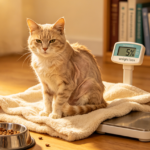
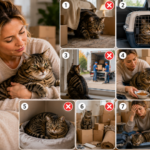
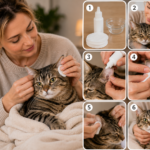
What You Can Do Schedule biannual veterinary check-ups for cats over 10 years old, including bloodwork, urinalysis, and blood pressure measurement. Monitor weight weekly, track litter box habits, and note any changes in appetite, activity, or grooming. Even small behavioral shifts deserve attention.
Senior cats still have many good years ahead when problems are caught early. By staying observant and proactive, you give your aging companion the best chance at comfortable golden years filled with purrs and head bumps.