






Why Is My Cat Losing Hair? Common Causes and Effective Solutions
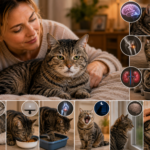
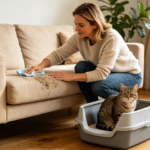
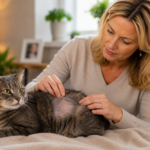
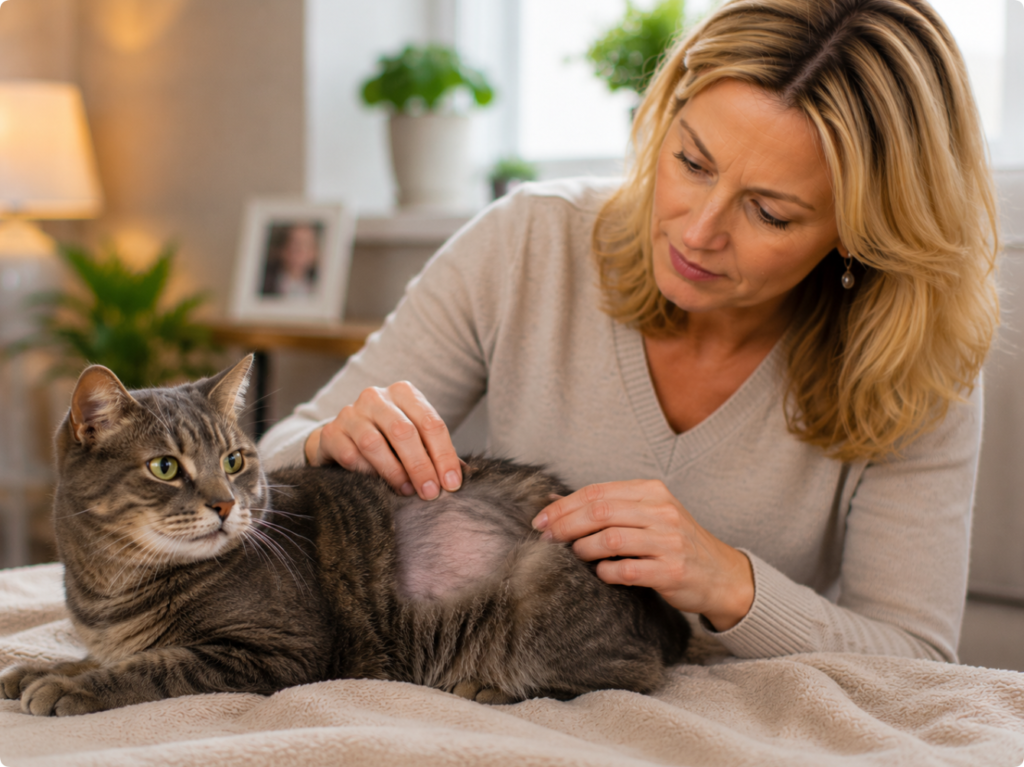
Finding clumps of fur on your couch or noticing bald patches on your cat can be worrying. While shedding is a normal part of a cat’s life, excessive hair loss is often a sign that something is affecting your pet’s health or well-being. Understanding the possible causes can help you take the right steps to keep your cat comfortable and healthy.
1. Normal Seasonal Shedding
Most cats naturally shed more during spring and fall as they adjust to changing temperatures. If your cat is losing hair evenly across the body without bald spots or skin irritation, seasonal shedding is usually nothing to worry about.
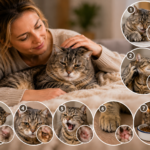
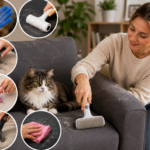
Regular brushing can remove loose fur and reduce the amount of hair around your home.
2. Fleas and Parasites
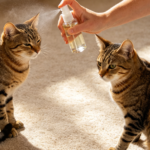
Fleas are one of the most common causes of hair loss in cats. Even a few flea bites can trigger intense itching, causing your cat to scratch, bite, or overgroom certain areas until hair falls out.
Routine flea prevention and prompt treatment can quickly improve the problem.
3. Allergies
Cats can develop allergies to food ingredients, pollen, dust mites, or household products. Allergic reactions often cause itchy skin, redness, and excessive grooming that leads to thinning fur or bald patches.
A veterinarian can help identify the trigger and recommend dietary changes or appropriate treatments.
4. Stress and Overgrooming
Cats sometimes lick themselves excessively when they are anxious or bored. Changes in routine, moving to a new home, introducing another pet, or loud environments can all contribute to stress-related hair loss.
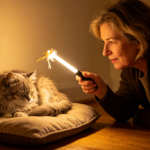
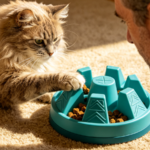
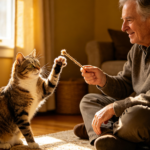
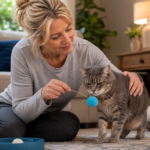
Providing interactive toys, hiding places, and a predictable daily routine can help reduce anxiety.
5. Skin Infections and Medical Conditions
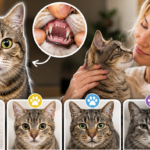
Fungal infections such as ringworm, bacterial infections, hormonal imbalances, and immune system disorders can all cause hair loss. Senior cats may also experience coat changes due to aging or chronic illnesses like hyperthyroidism.
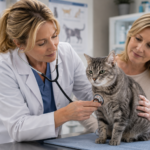
If hair loss is accompanied by redness, scabs, weight loss, or changes in appetite, veterinary care is essential.
6. Poor Nutrition
A healthy coat depends on a balanced diet rich in high-quality protein, essential fatty acids, vitamins, and minerals. Nutritional deficiencies may result in dull fur, excessive shedding, and slow hair regrowth.
Choosing a complete, nutritionally balanced cat food can significantly improve skin and coat health.
How to Help Your Cat
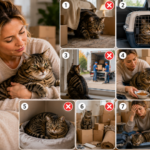
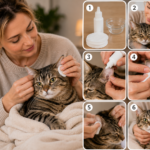
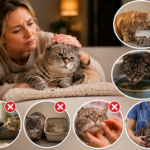
Brush your cat regularly, maintain flea prevention, provide a healthy diet, and monitor any changes in grooming habits or skin condition. Avoid using human skin products or medications unless specifically recommended by a veterinarian.
If hair loss continues for more than a few weeks, spreads rapidly, or is accompanied by itching, sores, or behavioral changes, schedule a veterinary examination.
Conclusion
Hair loss in cats can range from harmless seasonal shedding to a sign of underlying medical or behavioral problems. Paying attention to your cat’s skin, coat, and daily habits allows you to identify issues early and provide appropriate care.
With proper nutrition, regular grooming, stress management, and routine veterinary checkups, you can help keep your cat’s coat healthy, soft, and beautiful throughout every stage of life.
Related posts:
 When Is a Cat Considered a Senior? Complete Age Guide
 Why Senior Cats Stop Playing and How to Encourage Them
 How Aging Affects a Cat’s Body, Mind and Mood & Simple Ways to Support Them
 Signs Your Cat Is Becoming a Senior ,You Might Be Missing!
 How Long Do Senior Cats Live? Realistic Lifespan Guide 2026
 When Is a Cat Considered Senior? Cat Age and Aging Explained
 6 Key Signs Your Senior Cat Is Nearing the End of Life
 Best Cat Breeds for First-Time Owners: Friendly, Easy-Care Cats for Beginners
 How to Introduce Two Cats Successfully Without Stress, Fighting, or Fear
 Why Is My Cat Throwing Up? Common Causes and When You Should Worry