








































6 Useful Tips for Traveling With Senior Cats Safely and Comfortably
Traveling with a senior cat requires extra planning and patience. Older cats often prefer familiar routines and may experience mobility issues, anxiety, or age-related health conditions that make trips more challenging. Whether you’re visiting family, moving to a new home, or taking a road trip, thoughtful preparation can help your aging feline stay calm, comfortable, and safe throughout the journey.
Here are six practical tips for traveling with senior cats.
1. Schedule a Veterinary Checkup Before You Leave
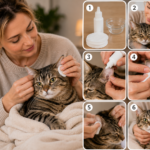
Before any long trip, take your senior cat for a health examination. Your veterinarian can confirm that your cat is fit to travel, review any existing medical conditions, and ensure vaccinations are up to date.
If your cat takes medication, pack enough for the entire trip and bring copies of important medical records in case of an emergency.
2. Choose a Comfortable Carrier
A sturdy, well-ventilated carrier is essential for safe travel. Select one that allows your cat to stand, turn around, and lie down comfortably. Place a soft blanket or familiar bed inside to provide extra cushioning for aging joints.
Leaving the carrier open at home for several days before the trip can help your cat become familiar with it and reduce anxiety.
3. Keep Your Cat Hydrated
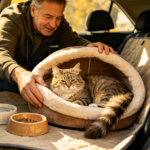
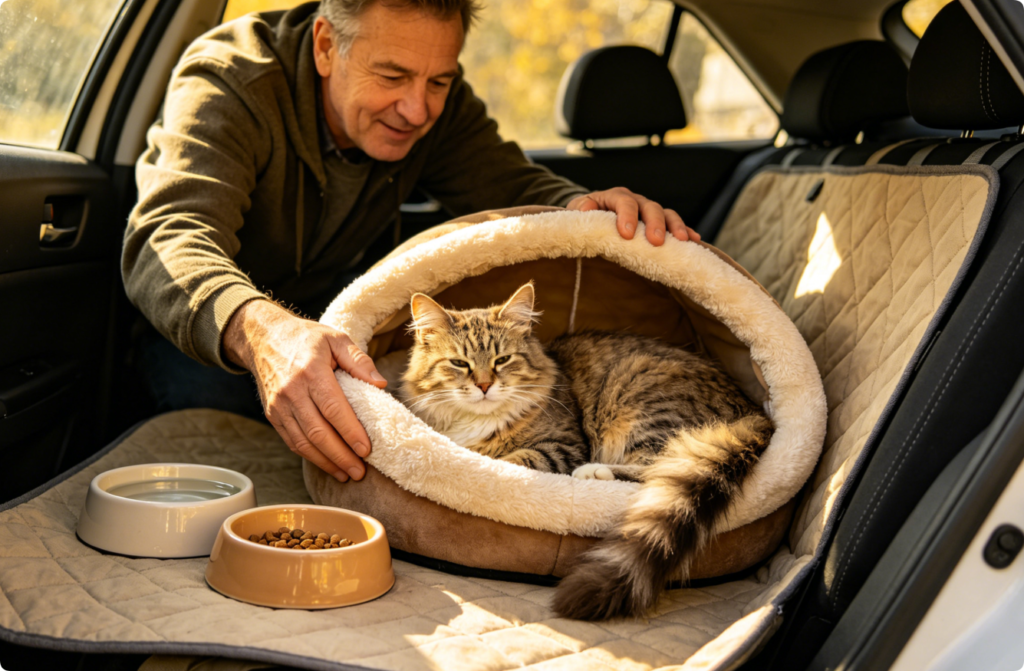
Senior cats are more susceptible to dehydration, especially during travel. Offer fresh water during breaks and consider bringing wet food, which provides additional moisture.
Portable water bowls and small feeding containers make it easier to maintain your cat’s normal routine while on the road.
4. Maintain a Calm Environment
Cats are sensitive to loud noises and sudden changes. Keep the car temperature comfortable, avoid playing loud music, and drive smoothly whenever possible.
Speaking softly and keeping familiar blankets or toys nearby can provide reassurance and help reduce stress.
5. Plan Regular Breaks
For longer car trips, stop periodically to check on your cat and offer water. Never allow your cat to roam freely outside the vehicle, as unfamiliar environments can increase the risk of escape.
Always keep your cat safely secured inside the carrier while doors or windows are open.
6. Recreate a Familiar Space at Your Destination
Once you arrive, set up a quiet room with your cat’s bed, food bowls, litter box, toys, and favorite blanket. Familiar scents and objects help senior cats adjust more quickly and feel secure in a new environment.
Allow your cat to explore at their own pace rather than forcing interaction or movement.
Conclusion
Travel doesn’t have to be stressful for senior cats. With careful preparation, a comfortable carrier, proper hydration, routine veterinary care, and a calm environment, most older cats can travel safely and comfortably.
By respecting your cat’s physical and emotional needs, you can make every journey smoother and help your senior companion stay relaxed, healthy, and happy wherever life takes you.
Related posts:
 How to Care for a Senior Cat in Its Final Years: Essential Tips Every Cat Owner Should Know
 Common Health Problems in Senior Cats and Warning Signs Every Owner Should Know
 10 Warning Signs You Should Take Your Senior Cat to the Vet
 6 Reasons Why Senior Cats Meow Loudly at Night and How to Help Them
 Why Senior Cats Stop Playing and How to Encourage Them to Stay Active
 Top 7 Ways to Make Your Senior Cat Live Longer and Happier
 What Can Owners Do to Help Senior Cats Live Longer and Good Health
 Top Joint Supplements for Senior Cats to Reduce Pain and Improve Movement
 When Is a Cat Considered Senior? Cat Age and Aging Explained
 8 Solutions for Senior Cat Lethargy and Sleepiness to Restore Energy and Vitality