















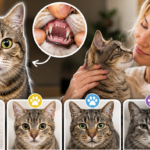































How to Tell If Your Cat Is Sick: Common Signs Every Owner Should Know
Cats are experts at hiding pain and illness, a survival instinct inherited from their wild ancestors. Because of this, many health problems go unnoticed until they become serious. Learning to recognize the early warning signs can help you seek treatment quickly and keep your feline companion healthy for years to come.

1. Loss of Appetite
A healthy cat usually has a consistent eating routine. If your cat suddenly refuses food or eats much less than usual, it could be a sign of dental disease, digestive problems, kidney disease, or other medical conditions. A cat that doesn’t eat for more than 24 hours should be examined by a veterinarian.
2. Changes in Drinking Habits
Drinking significantly more or less water than normal may indicate health issues such as diabetes, kidney disease, or thyroid disorders. Keep an eye on your cat’s water bowl and notice any unusual changes.
3. Low Energy and Hiding
While cats enjoy sleeping, excessive lethargy or hiding for long periods may signal discomfort or illness. If your normally playful cat becomes inactive or avoids interaction, it’s worth paying attention.
4. Vomiting or Diarrhea
Occasional hairballs are normal, but repeated vomiting or persistent diarrhea is not. Digestive problems, infections, parasites, or food intolerance may all be responsible. Frequent episodes can quickly lead to dehydration.
5. Weight Loss or Weight Gain
Unexpected changes in body weight should never be ignored. Gradual weight loss may indicate chronic illness, while rapid weight gain can contribute to obesity and joint problems.
6. Poor Grooming Habits
Cats are naturally clean animals. A dull coat, greasy fur, or matted hair may suggest pain, arthritis, obesity, or illness that prevents proper grooming.
7. Changes in Litter Box Behavior
Straining to urinate, frequent trips to the litter box, accidents outside the box, or constipation can all point to urinary or digestive problems. These symptoms require prompt attention, especially in male cats, where urinary blockages can become emergencies.
8. Unusual Behavior
Increased aggression, excessive vocalization, confusion, clinginess, or sudden withdrawal can all be signs that your cat is not feeling well. Senior cats may also experience behavioral changes related to cognitive decline or age-related diseases.
When to Visit the Veterinarian
Contact your veterinarian immediately if your cat has difficulty breathing, repeated vomiting, blood in urine or stool, severe weakness, seizures, or refuses food for an extended period. Early diagnosis often leads to better treatment and faster recovery.
Conclusion
Your cat can’t tell you when something is wrong, but their behavior often provides important clues. By monitoring appetite, energy levels, grooming habits, litter box use, and overall behavior, you can recognize illness before it becomes severe.
Regular veterinary checkups combined with careful daily observation are the best ways to ensure your cat enjoys a long, healthy, and happy life.
Related posts:
 10 Common Health Problems in Senior Cats You Should Never Ignore
 Common Senior Cat Health Problems You Should Never Ignore
 Why Is My Senior Cat Losing Weight Suddenly? Top Health Reasons and How to Help
 Why Your Senior Cat Meows at Night: Health Reasons Explained
 How Often Should Senior Cats Visit the Vet? A Complete Health Check Guide
 Why Is My Senior Cat Constipated? Common Causes and Solutions Explained
 Does Your Senior Cat Have Arthritis? Quiet Signs You Shouldn’t Ignore
 Senior Cat Skin Issues: Why Your Feline Itches & Develops Bald Spots, Plus Practical Treatments
 8 Warning Signs You Should Take Your Senior Cat to the Vet Immediately
 Why Does My Cat Follow Me Everywhere? Understanding This Adorable Behavior