





















Why Is My Senior Cat Losing Weight Suddenly? Top Health Reasons and How to Help
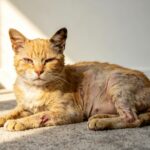
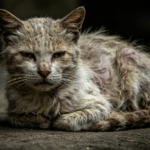
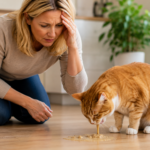
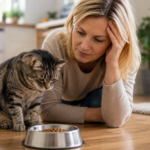
For cat owners, noticing sudden weight loss in a senior cat (11 years and older) is a worrying red flag. Unlike gradual weight changes that come with aging, sudden, unexplained weight loss—often 10% or more of their body weight in a few weeks—almost always signals an underlying health issue. Senior cats are more vulnerable to age-related illnesses, and rapid weight loss can worsen their condition, making early detection and intervention critical. This article explores the top health reasons behind sudden weight loss in senior cats and practical steps you can take to help your feline companion regain stability and comfort.
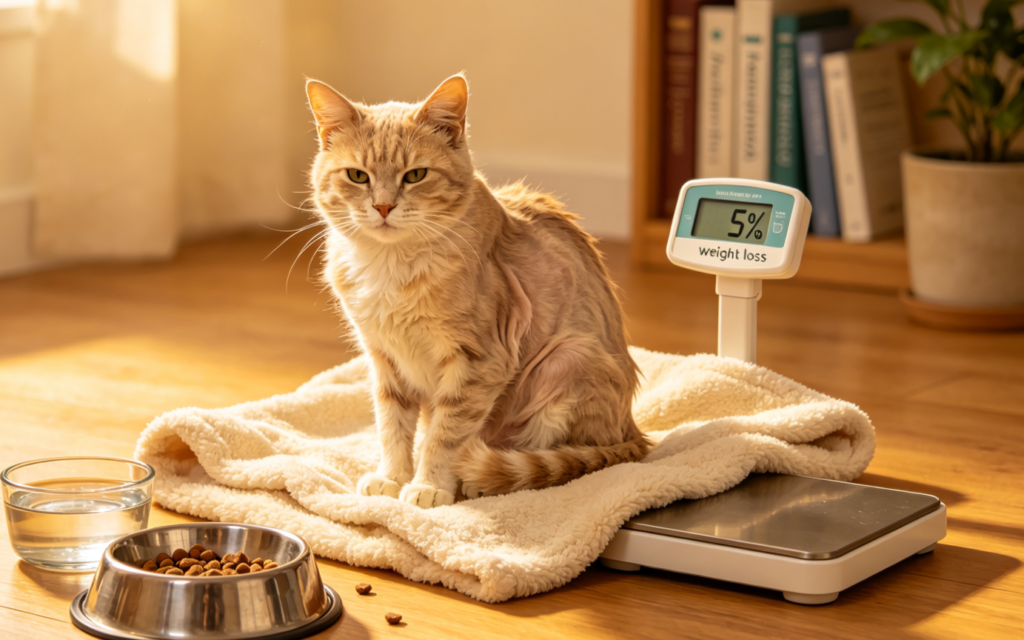
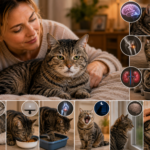
One of the most common causes of sudden weight loss in senior cats is hyperthyroidism. This condition occurs when the thyroid gland produces excess hormones, speeding up the cat’s metabolism. Even if your cat is eating more than usual, their body burns calories too quickly, leading to rapid weight loss. Other telltale signs include hyperactivity, restlessness, increased thirst and urination, vomiting, and a racing heart. If left untreated, hyperthyroidism can damage the heart and other organs, but it is highly treatable with medication, radioactive iodine therapy, or surgery.
Chronic Kidney Disease (CKD) is another leading cause, especially in cats over 15 years old. As the kidneys lose their ability to filter waste, senior cats may experience loss of appetite, nausea, and increased water intake—all of which contribute to sudden weight loss. CKD is progressive, but early detection through blood and urine tests can slow its progression. A kidney-friendly diet, increased hydration, and medication to support kidney function can help manage symptoms and prevent further weight loss.
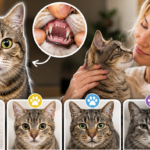
Dental disease, often overlooked, is a painful condition that can cause sudden weight loss in senior cats. Plaque and tartar build-up lead to gum inflammation, tooth decay, and mouth pain, making it difficult or unbearable for cats to eat. Signs include bad breath, drooling, avoiding hard food, and pawing at the mouth. If your senior cat stops eating or eats less due to dental pain, they will lose weight quickly. Professional dental cleanings and at-home care can alleviate pain and restore their appetite.
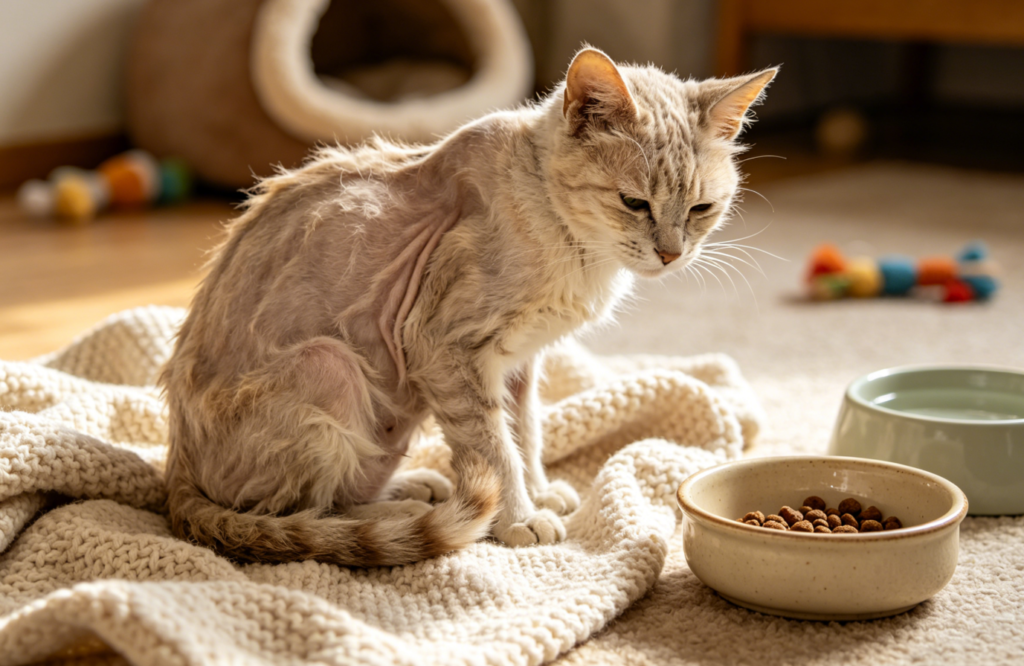
Diabetes mellitus is another health issue that causes sudden weight loss in senior cats. When the body cannot regulate blood sugar, cats may drink and urinate excessively, eat more than usual, yet still lose weight. Untreated diabetes can lead to serious complications, including ketoacidosis, but it can be managed with insulin injections, a tailored diet, and regular blood sugar monitoring.
Other potential causes include gastrointestinal issues (such as inflammatory bowel disease or parasites), cancer, and cognitive dysfunction syndrome (CDS), which can reduce a cat’s interest in eating. In some cases, stress or changes in the home environment may also lead to loss of appetite and weight loss, though this is less common than underlying health conditions.
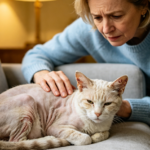
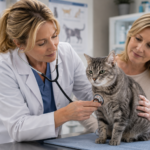
If your senior cat is losing weight suddenly, the first step is to schedule an urgent vet visit. Your vet will perform blood work, urine tests, and other diagnostics to identify the root cause. Do not attempt to force-feed or change their diet without veterinary guidance, as this can worsen underlying issues.
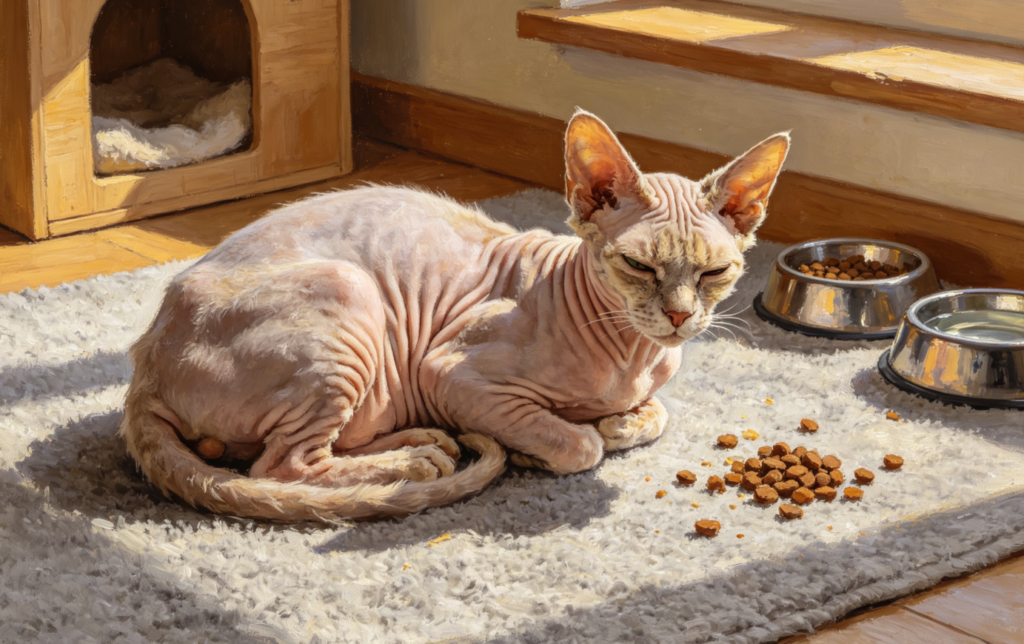
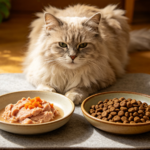
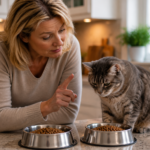
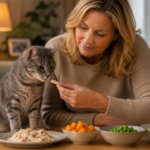
Once a diagnosis is made, follow your vet’s recommendations closely. This may include medication, a prescription diet (such as kidney-friendly or thyroid-supporting food), pain management, or dental treatment. To encourage eating, try warming their food to enhance aroma, offering small, frequent meals, or adding a small amount of low-sodium broth. Ensure fresh water is always available, and consider a water fountain to boost hydration.
In conclusion, sudden weight loss in senior cats is never normal and requires immediate veterinary attention. By understanding the top health causes—hyperthyroidism, CKD, dental disease, diabetes, and others—and taking prompt action, you can help your senior cat receive the care they need to regain weight, manage symptoms, and maintain a good quality of life in their golden years.