





























6 Surprising Reasons Senior Cats Start Peeing Outside the Litter Box and How to Fix It
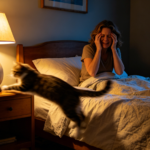
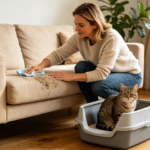
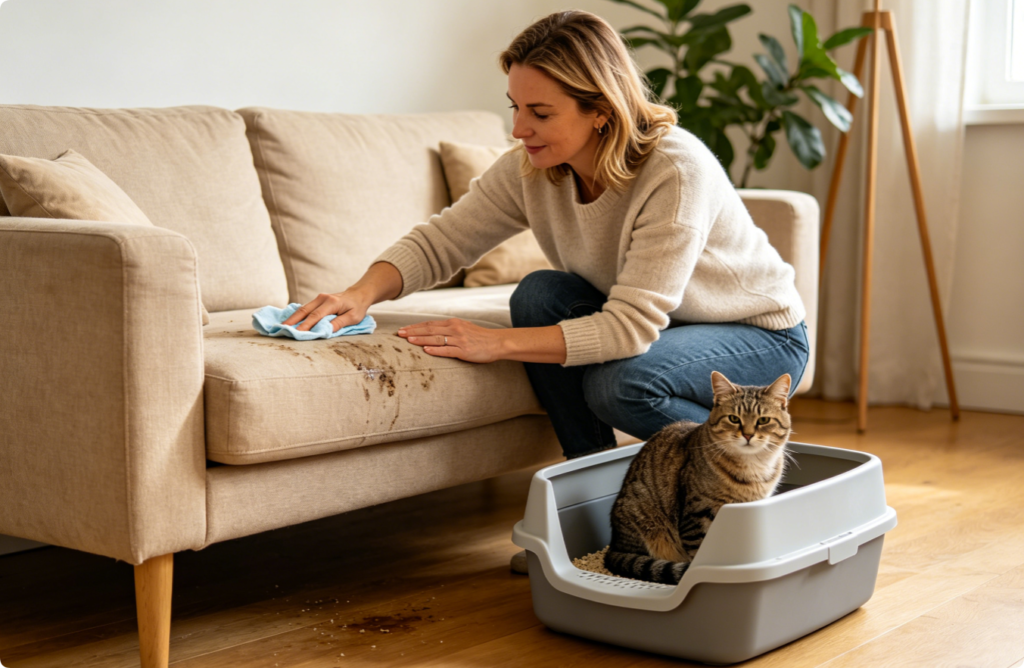
If your senior cat suddenly begins urinating outside the litter box, it can be frustrating and confusing. Many owners assume it’s simply a behavioral problem, but in reality, inappropriate urination is often a sign that an aging cat needs help. From medical conditions to environmental changes, several hidden factors can contribute to this common issue.
Here are six surprising reasons why senior cats stop using the litter box—and what you can do to solve the problem.
1. Arthritis Makes the Litter Box Difficult to Use
As cats age, stiff joints and arthritis can make climbing into a high-sided litter box painful. Your cat may choose a softer or easier-to-reach surface instead.
How to fix it: Switch to a litter box with low sides and place it in an easily accessible location. Soft, unscented litter can also make the experience more comfortable.
2. Urinary Tract or Kidney Problems
Frequent urination, urinary tract infections, bladder inflammation, and kidney disease become more common in older cats. These conditions can cause pain or make it difficult for cats to reach the litter box in time.
How to fix it: If accidents begin suddenly or are accompanied by excessive thirst, blood in the urine, or straining, schedule a veterinary examination immediately.
3. Cognitive Decline
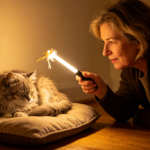
Just like people, senior cats can experience age-related cognitive dysfunction. They may become confused, forget the location of the litter box, or wander aimlessly around the house.
How to fix it: Keep litter boxes in consistent, easy-to-find locations and avoid moving furniture unnecessarily. Night lights can also help older cats navigate after dark.
4. Stress and Environmental Changes
Even older cats can become stressed by moving, remodeling, new pets, visitors, or changes in daily routines. Stress may trigger inappropriate urination as a way of marking territory or expressing anxiety.
How to fix it: Maintain a predictable schedule and provide quiet resting areas where your cat feels safe and secure.
5. Dirty or Inconvenient Litter Boxes
Senior cats can become more sensitive to cleanliness than younger cats. A litter box that isn’t scooped regularly or is located in a noisy, difficult-to-reach area may be avoided.
How to fix it: Scoop the litter daily, clean the box frequently, and provide one litter box per cat plus one extra whenever possible.
6. Changes in Vision or Mobility
Vision loss and reduced mobility can make it harder for aging cats to locate or reach their litter box, especially in large homes or multi-level houses.
How to fix it: Place multiple litter boxes throughout the home, particularly near your cat’s favorite sleeping and resting areas.
Conclusion
When a senior cat starts peeing outside the litter box, it’s usually a signal that something has changed—not an act of spite or disobedience. Health problems, arthritis, cognitive decline, stress, or simple accessibility issues are often the real causes.
By identifying the underlying reason early, maintaining a clean and accessible litter box, and seeking veterinary care when necessary, you can help your senior cat regain healthy habits and enjoy a more comfortable, stress-free life during their golden years.
Related posts:
 When Is a Cat Considered a Senior? Complete Age Guide
 How Aging Affects a Cat’s Body, Mind and Mood & Simple Ways to Support Them
 Signs Your Cat Is Becoming a Senior ,You Might Be Missing!
 How Long Do Senior Cats Live? Realistic Lifespan Guide 2026
 When Is a Cat Considered Senior? Cat Age and Aging Explained
 6 Key Signs Your Senior Cat Is Nearing the End of Life
 Best Cat Breeds for First-Time Owners: Friendly, Easy-Care Cats for Beginners
 How to Introduce Two Cats Successfully Without Stress, Fighting, or Fear
 Why Is My Cat Throwing Up? Common Causes and When You Should Worry
 The Best Ways to Remove Cat Hair from Furniture and Upholstery