













































Why Is My Cat Hiding All the Time? Common Causes and What You Should Do
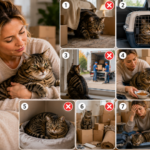
Cats naturally enjoy quiet, enclosed spaces where they feel safe. Finding your cat under the bed or inside a closet occasionally is perfectly normal. However, if your cat suddenly starts hiding all the time or avoids family members for days, it could be a sign that something is wrong.
Understanding the reasons behind this behavior can help you provide the care and support your cat needs.

1. Stress or Anxiety
Changes in the home, such as moving, loud noises, new pets, or unfamiliar visitors, can make a cat feel insecure. Hiding is often a coping mechanism that allows them to feel protected until they become comfortable again.
Providing a quiet room and maintaining a consistent routine can help reduce stress.
2. Illness or Pain
Cats instinctively hide when they are sick or injured. A normally social cat that suddenly isolates itself may be experiencing discomfort from dental disease, arthritis, infections, or other health problems.
If hiding is accompanied by loss of appetite, vomiting, lethargy, or weight loss, a veterinary visit is recommended.
3. Fear of Other Pets
In multi-pet households, a cat may hide if it feels threatened by another cat or dog. Even subtle bullying can cause a timid cat to avoid common areas.
Providing separate feeding stations, litter boxes, and safe resting spots can help reduce conflict.
4. Pregnancy or Mothering Behavior
Female cats may seek hidden locations before giving birth or while caring for kittens. They naturally look for quiet, secure places where they feel their babies will be safe.
5. Aging and Cognitive Changes
Senior cats may become more withdrawn due to vision loss, hearing decline, arthritis, or age-related cognitive changes. They often prefer quiet, familiar spaces where they feel comfortable and secure.
Creating easy access to beds, food, water, and litter boxes can improve their confidence and quality of life.
What Should You Do?
Never force a hiding cat to come out. Instead, allow them to emerge on their own while providing fresh food, clean water, and a calm environment. Spend quiet time nearby and let your cat approach you when ready.
Monitor their eating habits, litter box use, and overall behavior. If the hiding continues for more than a day or two or is accompanied by other unusual symptoms, seek veterinary advice promptly.
Conclusion
While hiding is a normal feline behavior, excessive or sudden hiding often signals stress, fear, or an underlying health issue. Paying attention to changes in your cat’s routine and providing a safe, supportive environment can make a significant difference.
With patience, observation, and proper care, most cats regain their confidence and return to their usual curious and affectionate selves.
Related posts:
 Simple Home Changes That Can Improve Life for Your Elderly Cat
 10 Essential Tips to Create a Comfortable and Safe Space for Your Senior Cat
 Why Senior Cats Stop Playing and How to Encourage Them to Stay Active
 How Often Should Senior Cats Get Checkups and How to Prepare
 Top 7 Ways to Make Your Senior Cat Live Longer and Happier
 What Can Owners Do to Help Senior Cats Live Longer and Good Health
 How Often Should Senior Cats Visit the Vet? A Complete Health Check Guide
 Best Ways to Introduce a New Kitten to an Older Cat Successfully
 6 Simple Daily Routines to Help Extend Your Senior Cat’s Lifespan and Improve Quality of Life
 8 Solutions for Senior Cat Lethargy and Sleepiness to Restore Energy and Vitality