






















8 Solutions for Senior Cat Lethargy and Sleepiness to Restore Energy and Vitality
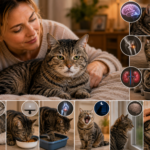
As cats grow older, it is normal for them to spend more time sleeping and less time playing. However, excessive lethargy, unusual sleepiness, or a noticeable lack of energy can sometimes indicate that something more serious is going on. While aging naturally slows cats down, owners should pay attention when a senior cat becomes less active than usual.
Fortunately, there are several ways to help improve your senior cat’s energy levels and overall quality of life.
1. Schedule a Veterinary Checkup
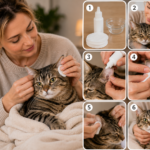
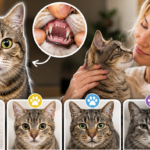
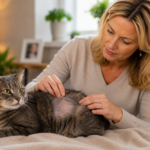
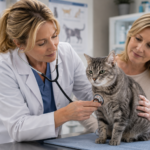
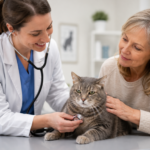
The first step is ruling out underlying health conditions. Kidney disease, diabetes, hyperthyroidism, anemia, arthritis, and dental problems are all common causes of lethargy in senior cats. A thorough examination and routine blood work can help identify hidden medical issues before they become more serious.
2. Improve Nutrition
Senior cats need high-quality nutrition to maintain muscle mass and energy. Feeding a diet formulated specifically for older cats can provide the right balance of protein, vitamins, and minerals. Cats that are not receiving adequate nutrition may appear weak, sleepy, or less interested in daily activities.
3. Encourage Better Hydration
Dehydration can cause fatigue and weakness, especially in aging cats. Providing fresh water in multiple locations, offering wet food, or using a pet fountain can encourage drinking. Proper hydration supports kidney function and helps maintain overall health.
4. Manage Joint Pain
Many senior cats suffer from arthritis, which can make movement uncomfortable. A cat in pain may appear lazy when they are actually avoiding activities that hurt. Veterinary-approved pain management, joint supplements, orthopedic beds, and easy access to favorite areas can significantly improve comfort and mobility.
5. Provide Gentle Daily Exercise
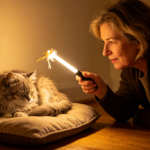
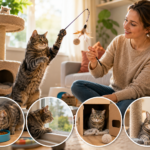
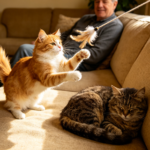
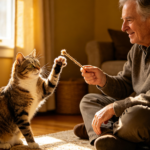
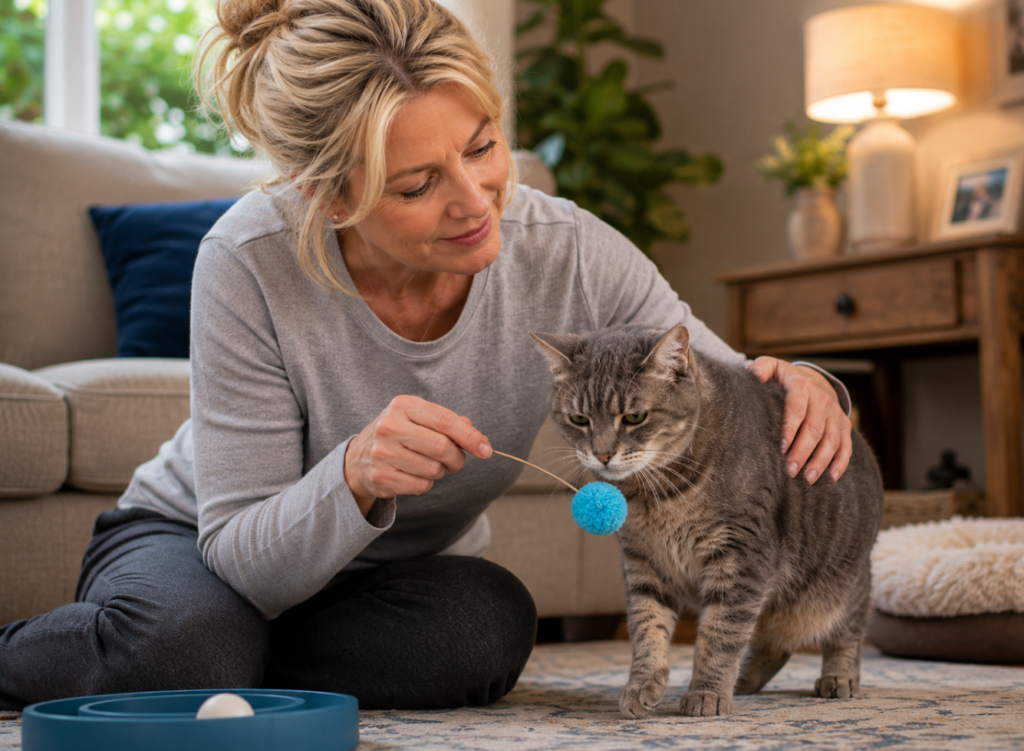
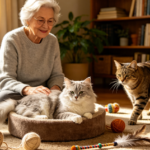
Although older cats may not play like kittens, they still benefit from regular movement. Short play sessions using feather wands, soft toys, or interactive games help maintain muscle tone and stimulate both the body and mind. Even five to ten minutes of daily activity can make a difference.
6. Increase Mental Stimulation
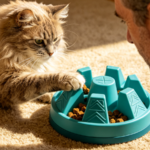
Boredom can contribute to inactivity. Puzzle feeders, window perches, bird watching, and rotating toys can help keep senior cats mentally engaged. A stimulated cat is often more curious, alert, and willing to move around.
7. Create a Comfortable Environment
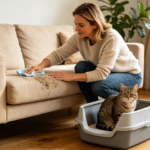
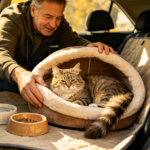
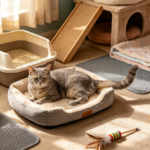
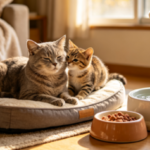
Senior cats need a safe and stress-free home environment. Soft beds, warm sleeping areas, low-entry litter boxes, and non-slip flooring can help aging cats move more comfortably. Reducing physical obstacles encourages greater independence and activity.
8. Monitor Changes in Behavior
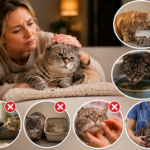
Pay close attention to changes in appetite, grooming habits, litter box use, and social interaction. Lethargy that develops suddenly or worsens over time should never be ignored. Early intervention often leads to better treatment outcomes and improved quality of life.
Conclusion
While increased sleep is a normal part of aging, excessive lethargy is not always simply “old age.” In many cases, reduced energy is linked to treatable health conditions, discomfort, or environmental factors.
By combining proper veterinary care, balanced nutrition, hydration, gentle exercise, and mental enrichment, owners can help senior cats remain active, comfortable, and engaged. With the right support, many elderly cats can continue to enjoy healthy, happy, and fulfilling lives well into their golden years.
Related posts:
 Best Ways to Keep Your Senior Cat Healthy, Happy, and Active
 7 Big Mistakes New Senior Cat Owners Always Make and How to Avoid Them
 6 Simple Daily Routines to Help Extend Your Senior Cat’s Lifespan and Improve Quality of Life
 10 Essential Tips to Create a Comfortable and Safe Space for Your Senior Cat
 Why Senior Cats Stop Playing and How to Encourage Them to Stay Active
 How Often Should Senior Cats Get Checkups and How to Prepare
 Top 7 Ways to Make Your Senior Cat Live Longer and Happier
 What Can Owners Do to Help Senior Cats Live Longer and Good Health
 How Often Should Senior Cats Visit the Vet? A Complete Health Check Guide
 Best Ways to Introduce a New Kitten to an Older Cat Successfully