










































When Is a Cat Considered a Senior? Complete Age Guide
Cats age much faster than humans, and pinpointing when a cat enters its senior years is essential for delivering targeted, compassionate care. Defined by the American Association of Feline Practitioners (AAFP), feline life stages follow clear veterinary benchmarks, unlike human aging timelines. This concise guide clarifies the senior cat age threshold, outlines key life phases, and shares practical care tips for aging felines.
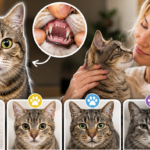
Cats progress through distinct life stages before reaching seniorhood. Kittens (0–6 months) undergo rapid growth and learning, while junior cats (7 months–2 years) reach full physical and behavioral maturity. Prime adult cats (3–6 years) are at their peak health and vitality, and mature middle-aged cats (7–10 years) show subtle, early signs of aging that are easy to overlook.
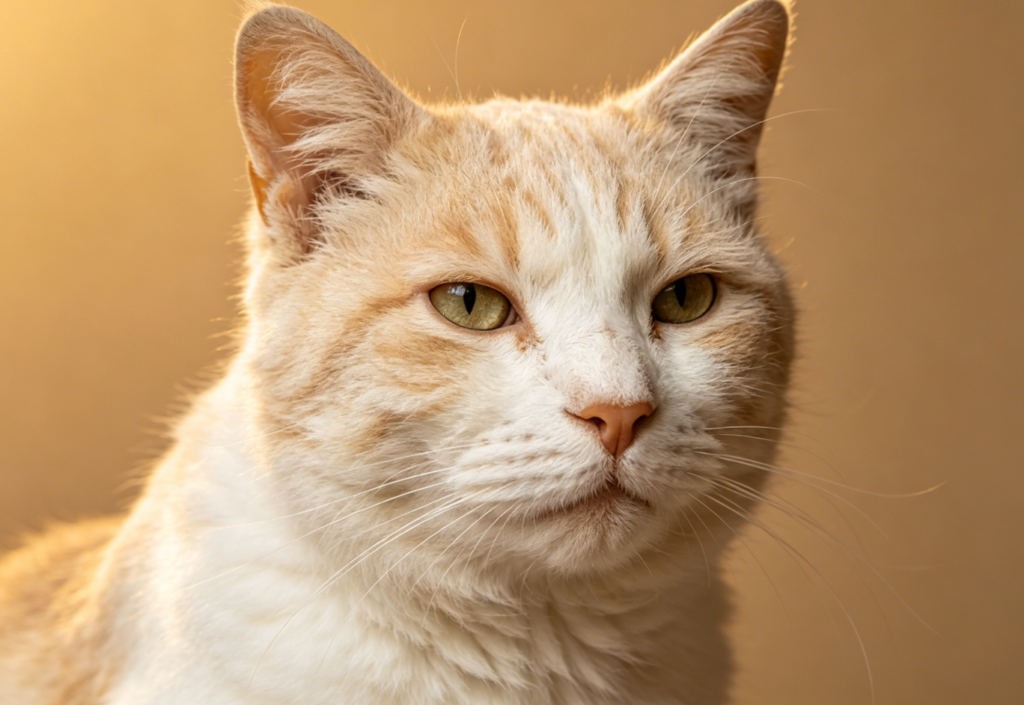
A cat is officially classified as senior at 11 to 14 years old, equivalent to 60–72 human years. This is when noticeable age-related changes emerge, and health risks rise significantly. Cats over 15 years old are categorized as geriatric or super-senior, comparable to humans in their 80s and beyond, needing intensive specialized care. While breed and lifestyle can slightly alter aging pace—indoor cats typically age more steadily than outdoor cats—the 11-year mark remains the universal senior benchmark.
Senior cats display clear physical and behavioral signs of aging. Physical changes include a dull, thinning coat, muscle loss, cloudy eyes, and reduced mobility due to arthritis. Behaviorally, they sleep more, lose interest in play, and may have altered litter box habits. Common age-related health issues include kidney disease, hyperthyroidism, dental problems, and high blood pressure, all of which require early detection.
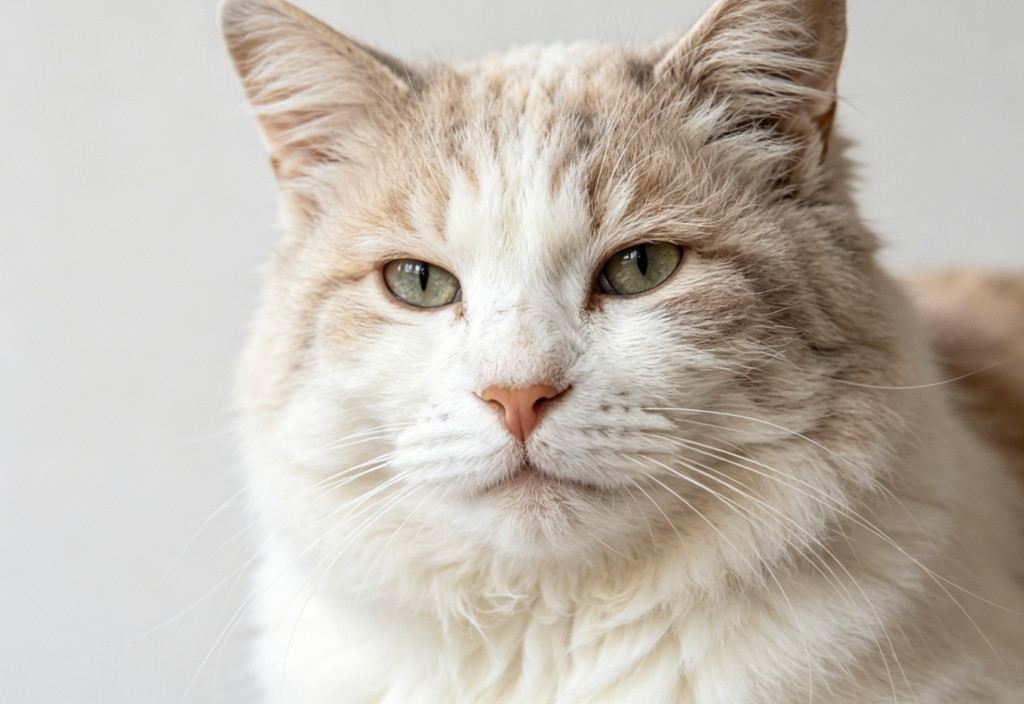
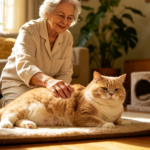
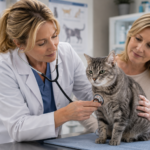
Caring for senior cats demands simple yet vital adjustments. Schedule bi-annual veterinary check-ups instead of annual ones, as senior cats excel at hiding illnesses. Switch to senior-specific cat food to support kidney and joint health, and modify the home with low-sided litter boxes, soft bedding, and easy access to food and water for better mobility. A calm, consistent routine and extra gentle affection also enhance their quality of life.
In summary, cats become seniors at 11 years old, with geriatric status starting at 15. Understanding these age milestones helps owners provide tailored care, ensuring senior cats live comfortably and healthily in their golden years.
Related posts:
 Common Senior Cat Health Problems You Should Never Ignore
 Senior Cat Grooming Tips for Older Cats With Matted Fur
 Why Senior Cats Stop Playing and How to Encourage Them
 Best Food for Senior Cats: Wet vs Dry Food Guide
 10 Clear Signs Your Cat Is Entering Its Senior Years Every Owner Should Notice
 Senior Cat Behavior Changes: What Every Owner Should Know About Aging Cats
 How Aging Affects a Cat’s Body, Mind and Mood & Simple Ways to Support Them