















































Why Does My Cat Sleep All Day? Understanding Feline Sleep Patterns and Health
Many cat owners often wonder why their feline friends sleep almost all day long. It is extremely common to see cats napping repeatedly from morning to night, leaving owners confused whether this behavior is normal or a sign of poor health. In fact, long sleeping hours are part of natural feline instincts, but excessive sleep can also hide potential health problems. Understanding standard feline sleep patterns helps you distinguish normal rest from unhealthy laziness and better protect your cat’s well-being.
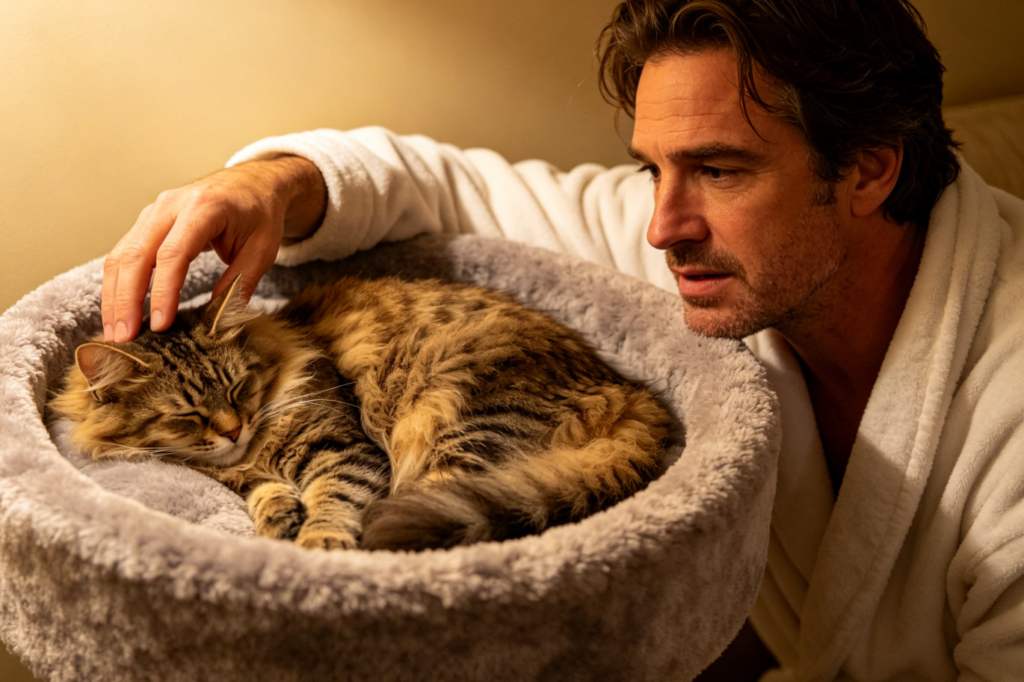
On average, healthy domestic cats sleep 12 to 16 hours per day, while senior cats and kittens may sleep up to 18 hours a day. This habit comes from their wild predatory nature. In the wild, cats conserve energy through long naps for intense hunting activities at dawn and dusk. Modern house cats retain this instinct; they sleep during quiet daytime hours and become active at night or early morning.
Boredom and low activity are also major reasons for daytime sleeping. Indoor cats lack enough stimulation and exercise, so they tend to nap to kill time. Warm sunlight, soft beds, and quiet home environments further encourage their lazy sleeping habits.
However, owners need to watch for abnormal sleep that signals health issues. If your cat sleeps far more than usual, refuses to wake up for food or favorite toys, and stays sluggish all day, it may indicate underlying problems. Common causes include dehydration, obesity, arthritis, viral infections, diabetes, or thyroid issues.
To keep your cat healthy, create a balanced daily routine. Offer short interactive play sessions, provide puzzle toys for mental stimulation, and arrange perches for them to observe outdoor views. These small changes reduce excessive napping caused by boredom.
In conclusion, all-day sleeping is mostly normal cat behavior. Yet owners should always observe their cat’s energy and appetite. Any sudden change in sleep habits requires timely attention and veterinary checks to ensure long-term feline health.
(Word count: 402)
Related posts:
 When Is a Cat Considered a Senior? Complete Age Guide
 Why Senior Cats Stop Playing and How to Encourage Them
 Senior Cat Behavior Changes: What Every Owner Should Know About Aging Cats
 How Aging Affects a Cat’s Body, Mind and Mood & Simple Ways to Support Them
 Signs Your Cat Is Becoming a Senior ,You Might Be Missing!
 How Long Do Senior Cats Live? Realistic Lifespan Guide 2026
 Senior Cat Lifespan: How Long Cats Live and What Affects Their Age
 Why Does Your Cat Follow You to the Bathroom Every Morning? Common Reasons Explained
 When Is a Cat Considered Senior? Cat Age and Aging Explained
 6 Key Signs Your Senior Cat Is Nearing the End of Life