



































Senior Cat Behavior Changes: What Every Owner Should Know About Aging Cats
As cats transition into their senior years (typically 11 years and older), their bodies and minds undergo gradual yet significant changes—these shifts often manifest in noticeable behavior changes. For cat owners, understanding these changes is key to providing the right care, supporting their feline companion’s well-being, and distinguishing between normal aging and signs of underlying health issues. Senior cat behavior changes are not random; they are responses to physical discomfort, cognitive decline, or emotional shifts, and knowing what to expect helps you adapt your care and strengthen your bond. This article explores the most common behavior changes in aging cats, what they mean, and how every owner can respond with empathy and support.
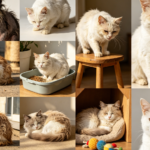
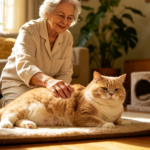
One of the most prevalent behavior changes in senior cats is altered activity levels and sleep patterns. Young cats are energetic, playful, and curious, but seniors often slow down dramatically. They may sleep 18–20 hours a day—more than usual—and when awake, they prefer quiet, low-key activities over chasing toys or climbing. Many also reverse their sleep schedule, sleeping more during the day and staying awake at night, which can be attributed to cognitive decline or discomfort that disrupts their rest. This is normal to a degree, but sudden, extreme lethargy or refusal to move may signal pain (such as arthritis) or illness.
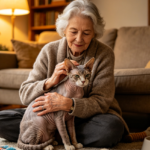
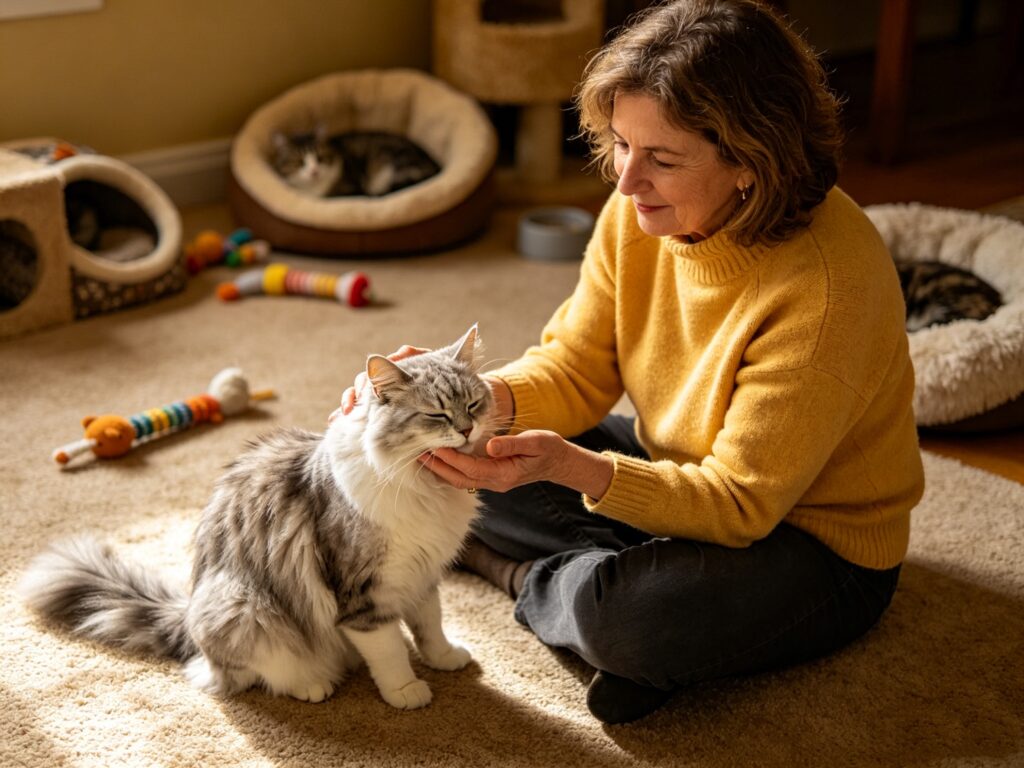
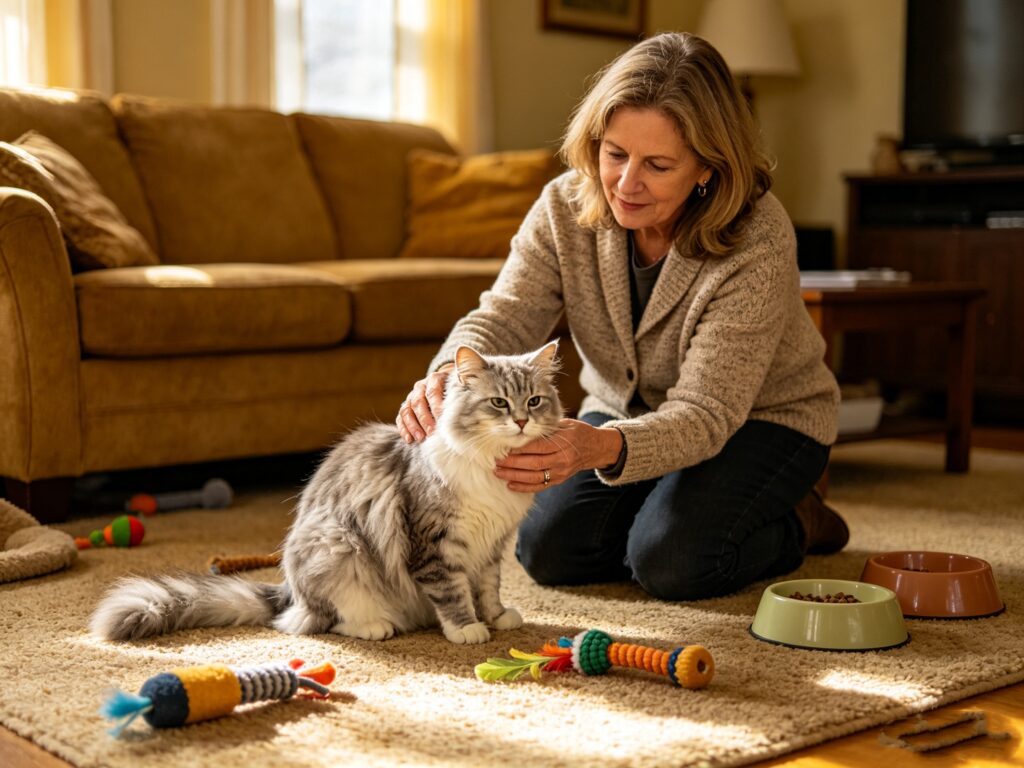
Changes in social behavior are also common. Some senior cats become more clingy and affectionate, seeking extra cuddles, following their owners around the house, or sleeping on their laps more often. This is often a sign of insecurity or a need for comfort as their senses and mobility decline. Conversely, other seniors may withdraw and become more independent, avoiding interaction, hiding in quiet spots, or even hissing if touched. This withdrawal is not a rejection—it may stem from pain, sensory loss, or cognitive confusion, and it’s important to respect their boundaries while still ensuring they feel safe.
Cognitive changes, often referred to as feline cognitive dysfunction (FDS), lead to several noticeable behavior shifts. Senior cats may become disoriented: they may get lost in familiar rooms, bump into furniture, or stare blankly into space. They may also forget routines, such as where their food bowl or litter box is located, leading to accidents outside the litter box. Some cats vocalize more frequently, especially at night—meowing or yowling—which can be a sign of confusion, loneliness, or discomfort. These changes are similar to dementia in humans and require patience and consistency to manage.
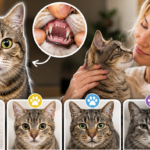
Dental pain or oral discomfort often causes subtle behavior changes that are easy to miss. Senior cats with dental issues may avoid hard food, chew on one side of their mouth, drool, or paw at their face. They may also lose their appetite, which can lead to weight loss, and become irritable when touched around the head or mouth. Since cats hide pain well, these small changes are important clues to their comfort level.
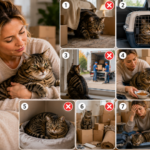
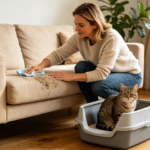
Litter box habits are another area where senior cats often show changes. Mobility issues, such as arthritis, can make it difficult to climb into high-sided litter boxes, leading to accidents outside the box. Cognitive decline may also cause them to forget their litter box training, while urinary tract issues (common in seniors) can lead to frequent urination or straining. Any sudden change in litter box behavior should be checked by a vet to rule out health problems.
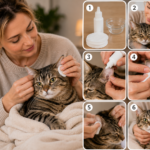
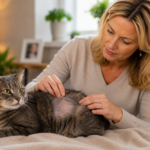
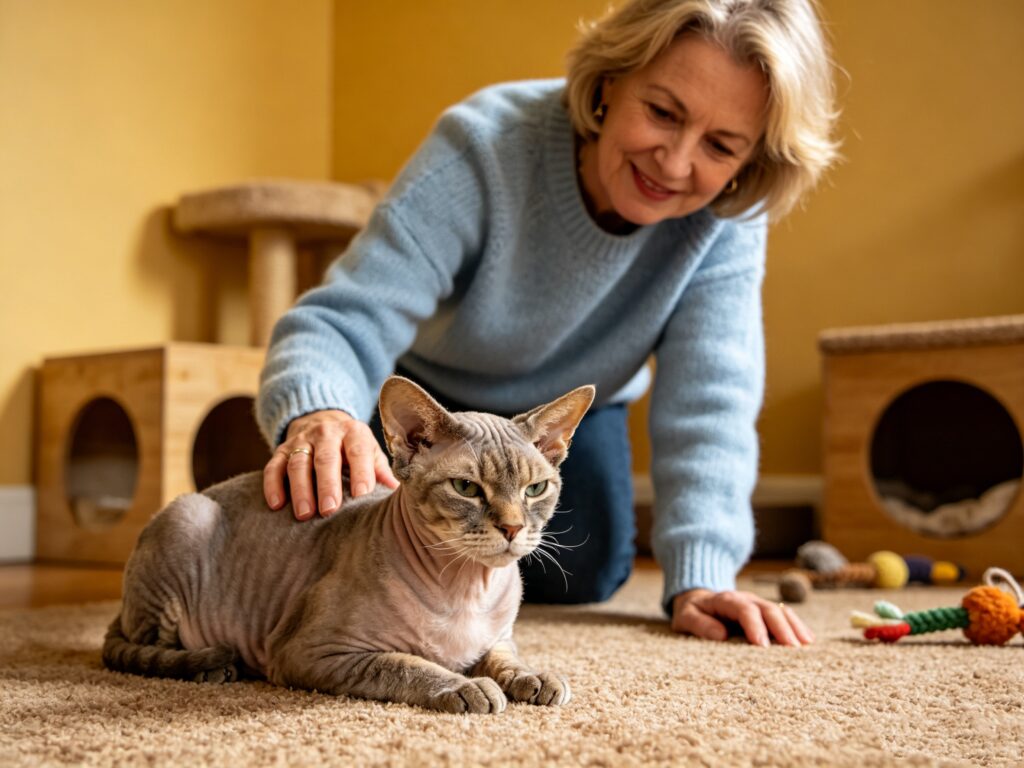
Additionally, senior cats may show changes in grooming habits. As they age, joint pain or fatigue may make it harder to groom themselves, leading to a dull, matted coat, dandruff, or unkempt fur. Some cats may over-groom certain areas, leading to bald patches, which can be a sign of stress or discomfort.
It’s crucial to distinguish between normal aging behavior and signs of underlying illness. While slower activity, mild disorientation, and changes in social behavior are typical, sudden or severe changes—such as extreme aggression, rapid weight loss, labored breathing, or complete withdrawal—may signal health issues like kidney disease, hyperthyroidism, or pain. Regular vet check-ups (at least twice a year for seniors) can help identify and manage these issues early.
In conclusion, senior cat behavior changes are a natural part of aging, but they require attention and understanding from owners. By recognizing common shifts—altered activity, social changes, cognitive decline, dental discomfort, litter box issues, and grooming changes—you can adapt your care to meet your cat’s evolving needs. Patience, consistency, and regular vet care will help your senior cat stay comfortable, happy, and loved in their golden years. Remember, your ability to recognize and respond to these changes is the best way to support your feline companion through this stage of life.