

































Senior Cat Body Language: How to Understand What Your Aging Cat Is Telling You
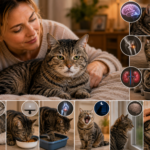
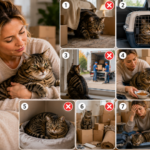
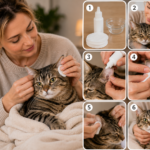
As cats grow older, their behavior and body language often change in subtle ways. While they may become quieter or less active, senior cats continue to communicate their needs, emotions, and health conditions through posture, facial expressions, and daily habits. Learning to read these signals can help you better support your aging feline companion and detect potential health issues early.
1. Tail Position and Movement
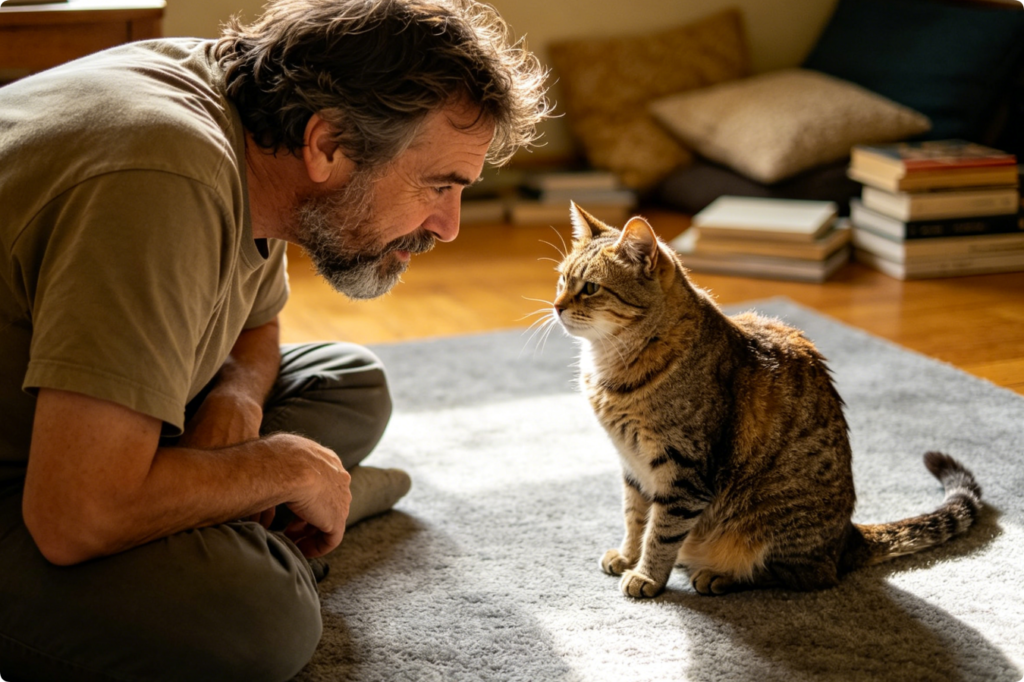
A cat’s tail is one of the clearest indicators of mood. A gently raised tail usually signals comfort and contentment, while a low or tucked tail may indicate fear, pain, or insecurity. Senior cats that move their tail slowly or keep it still for long periods may be experiencing reduced energy or discomfort, especially if arthritis is present.
2. Ear Position
Ears can reveal a lot about how your cat is feeling. Forward-facing ears typically show curiosity or relaxation. Flattened or rotated ears may suggest stress, irritation, or fear. In older cats, sudden ear position changes can also reflect sensitivity to noise or declining hearing ability.
3. Eyes and Blinking Patterns
Soft, slow blinking is a sign of trust and affection. However, squinting, watery eyes, or dilated pupils may indicate pain, anxiety, or vision problems. Senior cats are more prone to eye conditions such as cataracts or high blood pressure-related changes, so eye behavior should be monitored carefully.
4. Body Posture
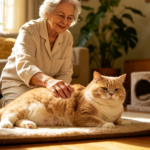
A relaxed senior cat will often lie stretched out or curled comfortably. On the other hand, a hunched posture or tightly curled body can signal discomfort or illness. Cats suffering from arthritis may avoid jumping or prefer low resting areas, even if they were once very active.
5. Grooming Habits
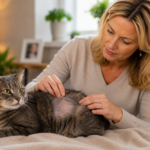
Changes in grooming behavior are especially important in older cats. A well-groomed coat shows good health, while unkempt or matted fur may suggest pain, obesity, or decreased mobility. Overgrooming in specific areas can also indicate skin irritation or stress.
6. Vocalization Changes
Senior cats may become more vocal due to cognitive changes, anxiety, or sensory decline. Increased meowing, especially at night, can indicate confusion or discomfort. Alternatively, some older cats become unusually quiet, which may also signal underlying health concerns.
7. Interaction with Humans
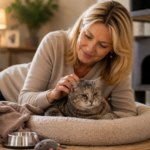
Pay attention to how your senior cat interacts with you. Increased clinginess may suggest insecurity or sensory loss, while avoidance could indicate pain or stress. Some aging cats become more affectionate, while others prefer solitude—both can be normal, depending on the individual cat.
Conclusion
Understanding senior cat body language is essential for providing the best possible care during their later years. Small changes in tail movement, ear position, grooming habits, or social behavior can offer valuable insight into your cat’s physical and emotional well-being.
By observing these signals closely and responding with patience, comfort, and regular veterinary care, you can help ensure your senior cat remains safe, understood, and loved throughout their golden years.
Related posts:
 Senior Cat Behavior Changes: What Every Owner Should Know About Aging Cats
 When Is a Cat Considered a Senior? Complete Age Guide
 Signs Your Cat Is Becoming a Senior ,You Might Be Missing!
 When Is a Cat Considered Senior? Cat Age and Aging Explained
 Why Is My Senior Cat Constipated? Common Causes and Solutions Explained
 6 Simple Daily Routines to Help Extend Your Senior Cat’s Lifespan and Improve Quality of Life
 8 Solutions for Senior Cat Lethargy and Sleepiness to Restore Energy and Vitality
 6 Key Signs Your Senior Cat Is Nearing the End of Life
 Best Cat Breeds for First-Time Owners: Friendly, Easy-Care Cats for Beginners
 How to Introduce Two Cats Successfully Without Stress, Fighting, or Fear