
































Why Does My Cat Stare at Me All the Time? Understanding Feline Behavior
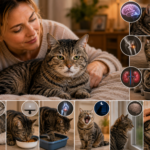
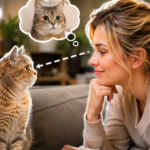
Have you ever looked up from your laptop or turned around in the kitchen only to find your cat quietly staring at you? While it may seem mysterious—or even a little creepy—staring is actually a common form of feline communication. Cats observe the world carefully, and their gaze often carries important messages about their feelings, needs, and relationship with you.
Here are some of the most common reasons why your cat stares at you.
1. Your Cat Is Showing Affection
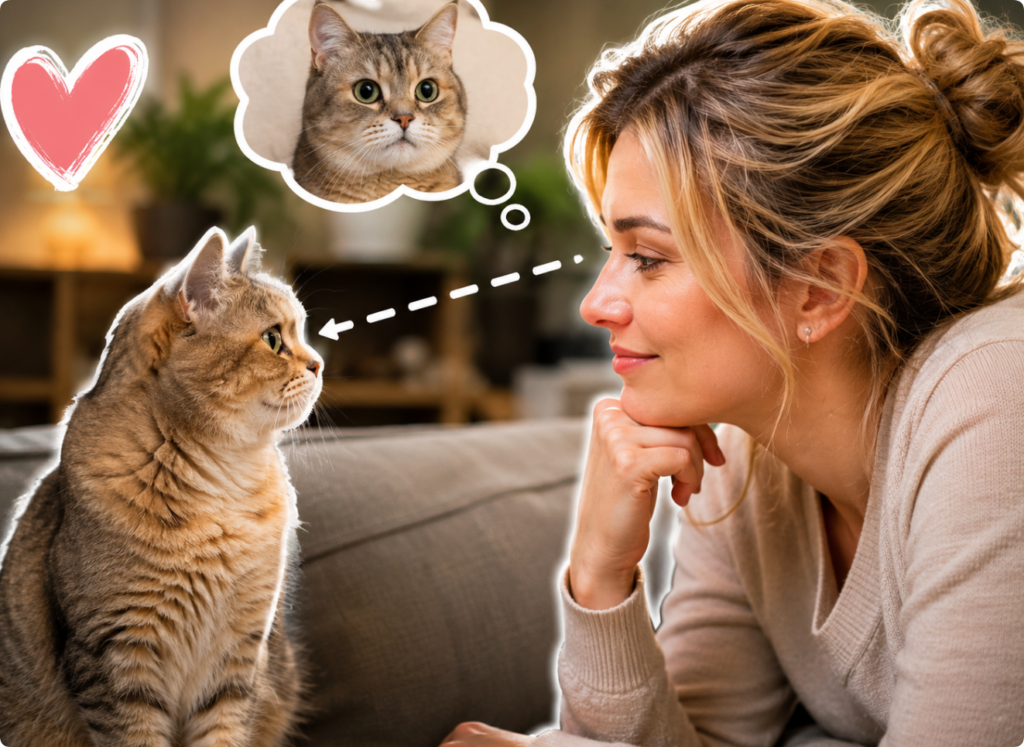
One of the sweetest reasons for a cat’s stare is simple love and trust. Cats often watch the people they feel safest with. If your cat looks at you with relaxed eyes and occasionally gives a slow blink, it is often considered a “cat kiss” that expresses comfort and affection.
Returning a slow blink can help strengthen your bond.
2. They Want Something
Cats quickly learn that humans control food, treats, toys, and attention. If your cat stares at you around mealtime or follows you into the kitchen, they may simply be asking for dinner or a favorite snack.
Some cats will combine staring with gentle meows or rubbing against your legs to make their request even clearer.
3. They’re Curious About Your Activities
Cats are naturally curious animals. Whether you’re cooking, cleaning, or working on a computer, your cat may watch every move because they find your behavior interesting. To them, you’re an important part of their daily environment.
4. They’re Monitoring Their Territory
Even relaxed indoor cats remain alert by instinct. Watching family members helps them stay aware of changes and movements within their territory. This behavior is completely normal and reflects their natural survival instincts.
5. They’re Looking for Interaction
A long stare may be an invitation to play or spend time together. If your cat appears alert with ears forward and a relaxed posture, they may be hoping for a toy, a petting session, or simply your company.
Regular interactive play helps satisfy both physical and mental needs.
6. When Staring May Signal a Problem
Although staring is usually harmless, sudden or unusual staring can sometimes indicate health issues. Senior cats with vision loss, cognitive decline, or high blood pressure may stare at walls or appear confused. Neurological conditions can also cause abnormal staring behavior.
If staring is accompanied by disorientation, loss of balance, appetite changes, excessive vocalization, or unusual behavior, consult your veterinarian promptly.
Conclusion
Most of the time, a cat that stares at you is simply expressing curiosity, affection, trust, or a desire for attention. Rather than being strange, it’s often a sign that your cat enjoys your presence and considers you an important part of their world.
By paying attention to your cat’s body language and daily habits, you can better understand what they’re trying to communicate and build an even stronger relationship with your feline companion.
Related posts:
 Why Does My Cat Lick Me? Common Reasons Behind This Affectionate Behavior
 Why Does My Cat Sleep on Me? Common Reasons and What It Really Means
 Getting a New Pet? How to Help Your Senior Cat Accept It
 Do Senior Cats Miss You More When You’re Away? Understanding Emotional Attachment in Aging Cats
 Why Older Cats Become Aggressive and What Owners Should Know
 How to Keep a Bored Senior Cat Entertained and Mentally Stimulated All Day
 7 Gentle Games for Senior Indoor Cats That Promote Exercise and Mental Stimulation
 5 Effective Ways to Calm an Anxious Senior Cat: Simple Home Remedies & Care Tips
 Best Cat Breeds for Families with Kids: Friendly, Gentle, and Easygoing Cats
 Why Does My Cat Love to Purr? Everything You Need to Know About Feline Purring