









































Getting a New Pet? How to Help Your Senior Cat Accept It
Bringing a new pet into your home is an exciting milestone, but for your senior cat (11 years and older), this change can be overwhelming, stressful, and even threatening. Senior cats thrive on routine, familiarity, and control—introducing a new animal disrupts their safe, predictable world, often triggering anxiety, aggression, or withdrawal. Unlike younger cats, seniors have less energy to adapt to change and may struggle with territorial instincts or fear of the unknown. For pet owners, helping your senior cat accept a new pet requires patience, empathy, and a gradual, intentional approach—rushing the process can damage your senior cat’s well-being and create long-term conflict. This guide breaks down why senior cats struggle with new pets and step-by-step strategies to foster acceptance, ensuring a harmonious home for all your furry family members.
First, it’s critical to understand why senior cats react negatively to new pets. Territoriality is a primary driver—cats are naturally territorial, and senior cats, in particular, rely on their home environment to feel safe. A new pet (whether a kitten, adult cat, or even a dog) invades their space, leaving them feeling vulnerable. Additionally, senior cats may have limited mobility, pain from arthritis, or cognitive decline, making them less able to escape or defend themselves, which heightens their anxiety. They may also mourn the loss of their exclusive bond with you, resenting the attention the new pet receives. Finally, sensory changes (hearing or vision loss) can make the new pet’s movements or sounds feel unpredictable and scary.
Before bringing the new pet home, take time to prepare your senior cat. Start by reinforcing their sense of security: stick to their regular routine for feeding, play, and cuddles, and ensure they have a safe, quiet space (a separate room, cozy bed, or high perch) where they can retreat if they feel overwhelmed. This space should be off-limits to the new pet initially, giving your senior cat a refuge to decompress. You can also introduce the new pet’s scent beforehand—bring home a blanket or toy that smells like the new animal and place it near your senior cat’s bed or food bowl. This helps them become familiar with the new scent gradually, reducing the shock of the new pet’s arrival.
When the new pet arrives, keep them separated from your senior cat for the first 3–7 days. This separation period allows both animals to adjust to each other’s scents, sounds, and presence without direct contact. Feed them on opposite sides of a closed door—this creates positive associations, as they learn to associate the other animal’s presence with something pleasant (food). You can also swap their bedding or toys daily to further familiarize them with each other’s scent. During this time, give your senior cat extra attention, affection, and treats—this reassures them that they are still loved and valued, reducing feelings of neglect.
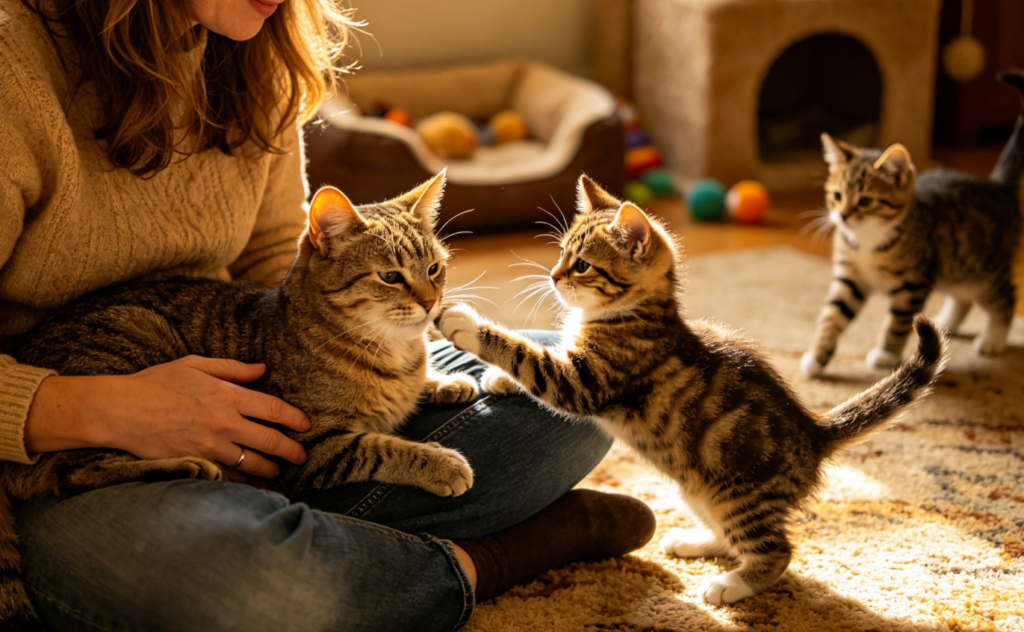
After the separation period, begin supervised, short interactions. Keep the new pet on a leash (if it’s a dog) or in a carrier (if it’s a cat) to control their movements and prevent overwhelming your senior cat. Keep interactions calm and brief—5–10 minutes at a time—and reward both animals with treats and praise for calm behavior. Watch your senior cat’s body language closely: ears flattened, hissing, growling, or swatting are signs of stress, so end the interaction immediately and try again later. Never force them to interact or punish your senior cat for showing discomfort—this will only increase their fear and resentment.
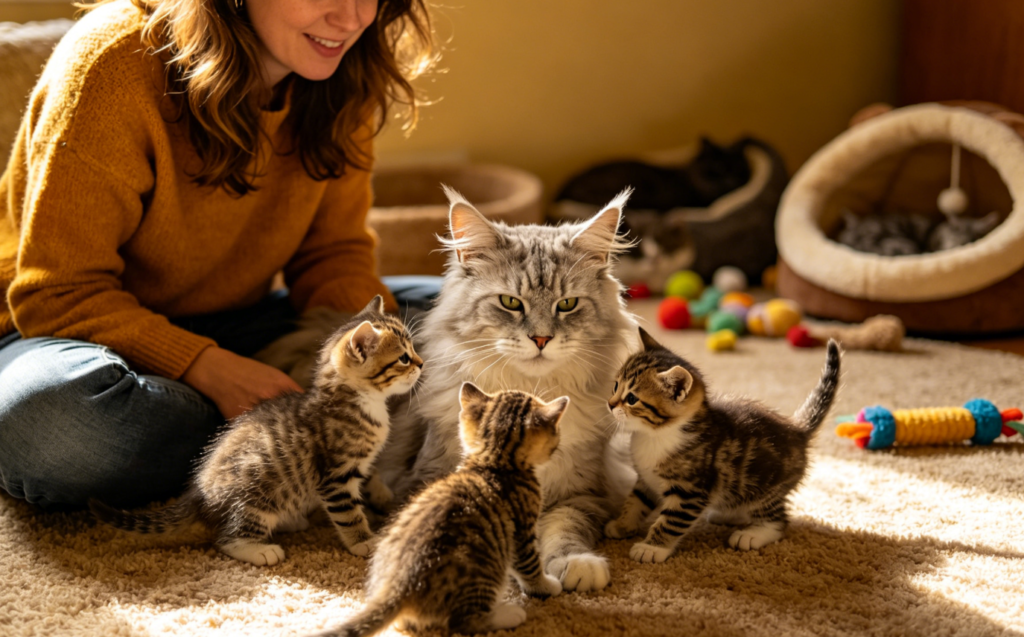
Gradually increase the length and frequency of interactions as both animals become more comfortable. For cats, allow them to explore each other’s spaces freely when supervised, and provide multiple resources (food bowls, litter boxes, beds) to avoid competition—senior cats may become aggressive if they feel their resources are threatened. For dogs, ensure the dog is calm and well-trained around cats, and never leave them alone together until you are confident they can coexist safely.
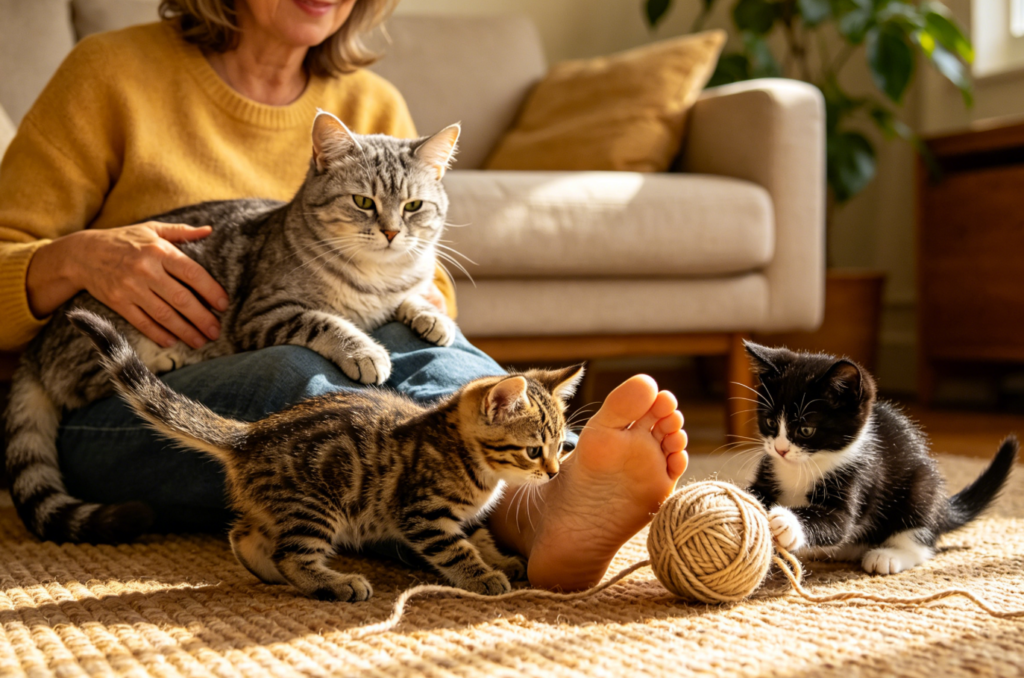
Be patient—acceptance takes time, and every senior cat is different. Some may adjust in a few weeks, while others may take months. It’s normal for your senior cat to show signs of stress (hiding, loss of appetite, or increased vocalization) in the early stages—provide them with extra comfort and space during this time. If aggression or extreme anxiety persists (e.g., your senior cat stops eating, becomes violent, or withdraws completely), consult your vet or a professional animal behaviorist for guidance.
Remember, your senior cat’s well-being should be your top priority. Rushing the introduction process can cause long-term stress and health issues, so take things at their pace. By preparing them in advance, using gradual introductions, and showering them with love and reassurance, you can help your senior cat accept the new pet and create a peaceful, loving home for all your furry companions.
In conclusion, introducing a new pet to a senior cat requires patience, empathy, and intentionality. By understanding their fear of change and territorial instincts, preparing them beforehand, and using gradual, supervised interactions, you can foster acceptance and help your senior cat feel safe and loved. The goal is not just coexistence, but a harmonious relationship that enriches the lives of both your senior cat and your new pet.