






















How to Keep a Bored Senior Cat Entertained and Mentally Stimulated All Day
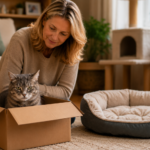
As cats grow older, they often become less active and spend more time sleeping. While this is a normal part of aging, boredom can still affect a senior cat’s emotional and mental health. An unstimulated elderly cat may become withdrawn, anxious, or less interested in daily life. Fortunately, there are many gentle and simple ways to keep senior cats entertained and mentally engaged throughout the day.
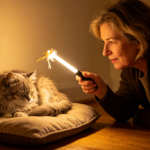
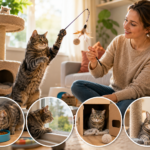
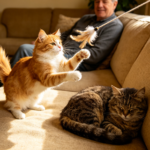
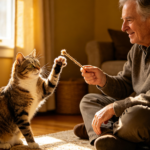
One of the best ways to stimulate an older cat is through interactive play. Senior cats may not chase toys as energetically as kittens, but they still enjoy short and gentle play sessions. Feather wands, soft rolling toys, or slow-moving interactive toys can encourage movement without putting stress on aging joints. Even a few minutes of daily play can improve mood and activity levels.
Window watching is another excellent source of entertainment. Many cats enjoy observing birds, squirrels, cars, and people outside. Placing a comfortable bed or perch near a sunny window gives senior cats mental stimulation while allowing them to relax at the same time. Bird feeders outside the window can make the experience even more interesting.
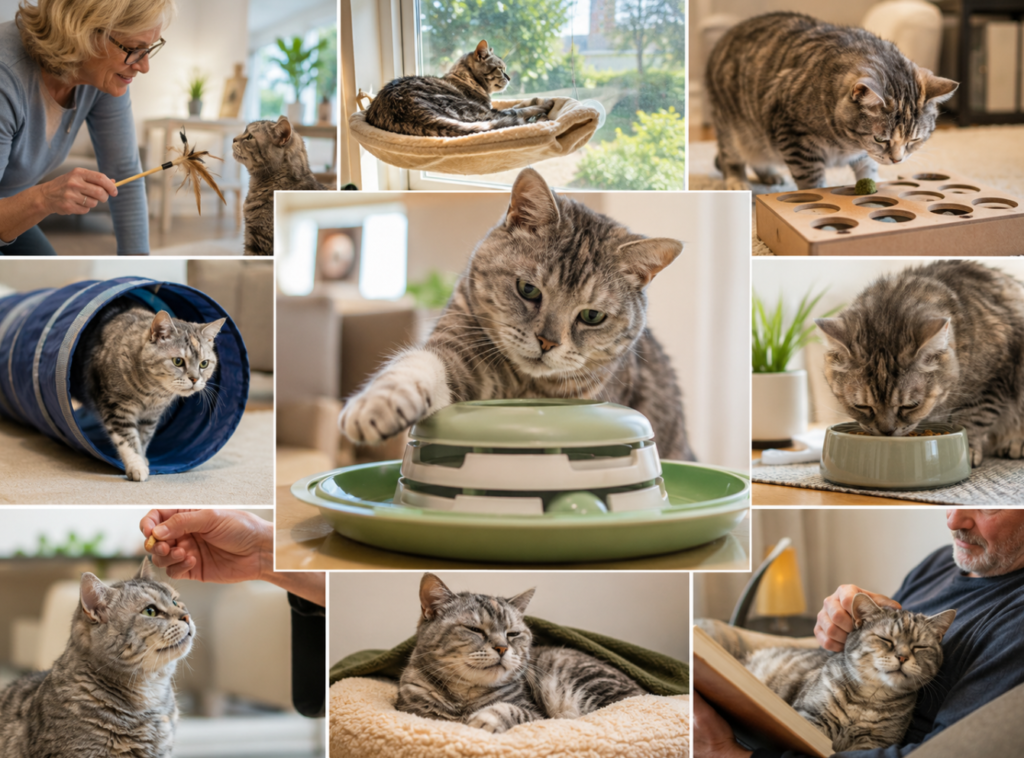
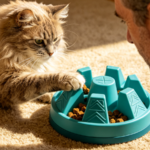
Puzzle feeders are also helpful for keeping elderly cats mentally active. Instead of eating meals directly from a bowl, cats use their brains to figure out how to access treats or food hidden inside toys. This encourages curiosity and prevents boredom, especially for indoor cats.
Rotating toys regularly can also make old toys feel new again. Cats often lose interest when the same objects remain available all the time. Storing some toys away and reintroducing them later helps maintain excitement and curiosity.
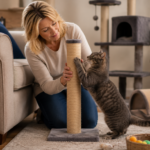
Comfort and accessibility are important for senior cats with mobility problems. Easy-to-reach scratching posts, soft beds, ramps, and non-slip rugs allow aging cats to move around more confidently. Creating cozy spaces in different areas of the home encourages exploration without physical strain.
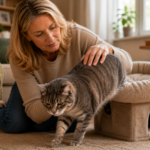
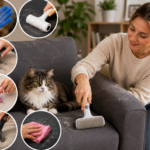
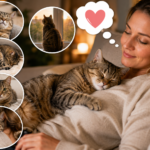
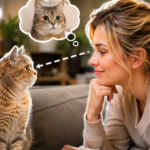
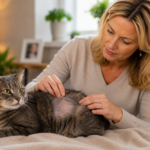
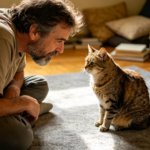
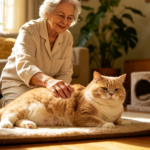
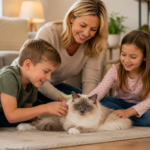
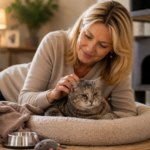
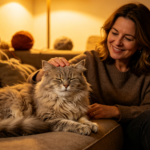
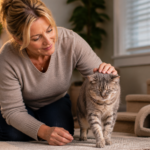
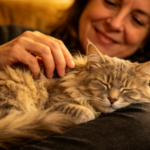
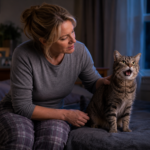
Gentle social interaction also plays a major role in mental health. Senior cats often enjoy quiet companionship, brushing sessions, or simply sitting beside their owners. Talking softly and spending calm time together can provide emotional comfort and reduce loneliness.
Some cats also respond positively to calming background sounds such as soft music or nature videos designed for cats. These small environmental changes can make indoor life feel more stimulating and peaceful.
Although senior cats slow down with age, they still need mental engagement and emotional connection. Boredom is not just about lack of activity — it can also affect confidence, mood, and overall well-being.
With patience, creativity, and daily interaction, owners can help senior cats stay curious, relaxed, and emotionally healthy. Even simple activities can bring comfort, enrichment, and happiness to an aging cat’s everyday life.
Related posts:
 How to Bond With Your Senior Cat Deeply in Their Golden Years
 7 Clear Signs Your Senior Cat Is Nearing the End of Life You Should Never Miss
 Getting a New Pet? How to Help Your Senior Cat Accept It
 Low-Intensity Interactive Games for Senior Cats: Fun & Gentle Ways to Keep Them Engaged
 Do Senior Cats Get Lonely? Common Signs and Practical Ways to Comfort Them
 Do Senior Cats Miss You More When You’re Away? Understanding Emotional Attachment in Aging Cats
 Why Cats Scratch Furniture and How to Stop the Behavior Naturally?
 Why Older Cats Become Aggressive and What Owners Should Know