







Why Your Senior Cat Meows at Night: Health Reasons Explained
Nighttime meowing or yowling in senior cats (10 years and older) is one of the most common complaints from cat owners. What starts as occasional calls can quickly turn into exhausting all-night vocalizations that disrupt sleep for the entire household. While some meowing is normal, persistent nighttime vocalization in older cats often signals underlying health issues rather than simple behavioral problems.
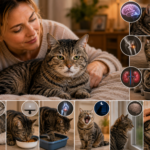
1. Hyperthyroidism One of the leading causes of nighttime meowing in senior cats is hyperthyroidism. An overactive thyroid gland accelerates metabolism, making cats feel restless, hungry, and anxious. Affected cats often meow loudly at night because they feel unsettled or excessively hungry. Other signs include weight loss despite good appetite, increased thirst, and hyperactivity. This condition is very treatable once diagnosed through blood tests.
2. Cognitive Dysfunction Syndrome (Feline Dementia) Just like humans, senior cats can develop cognitive decline. Disorientation, confusion, and memory loss often become worse at night. Cats may wander around the house meowing because they feel lost, can’t remember where their litter box or bed is, or experience sundowning — increased anxiety as daylight fades. This condition is similar to Alzheimer’s disease in people.
3. Hypertension (High Blood Pressure) High blood pressure is common in older cats, especially those with kidney disease or hyperthyroidism. It can cause headaches, vision problems, and general discomfort that worsens at night when the cat is trying to rest. Loud meowing may be their way of expressing distress or seeking comfort from their owner.
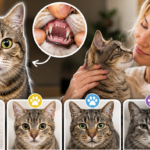
4. Pain and Arthritis Many senior cats suffer from arthritis and joint pain. Stiffness and discomfort make it hard for them to get comfortable at night. Dental disease, which is extremely common in elderly cats, can also cause significant mouth pain. Cats in pain often meow repeatedly to communicate their distress.
5. Kidney Disease and Increased Thirst Chronic kidney disease affects a large percentage of senior cats. It causes increased thirst and frequent urination. Your cat may meow at night because they are thirsty, need to use the litter box more often, or feel generally unwell due to toxin buildup.
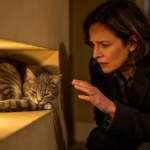
6. Sensory Decline and Anxiety As cats age, their vision and hearing often decline. Reduced senses can make them feel insecure and anxious, especially in the dark. This heightened anxiety frequently manifests as nighttime vocalization.
What Should You Do? If your senior cat has started meowing excessively at night, schedule a veterinary visit as soon as possible. A full senior wellness exam, including blood work and blood pressure measurement, is essential to identify the root cause.
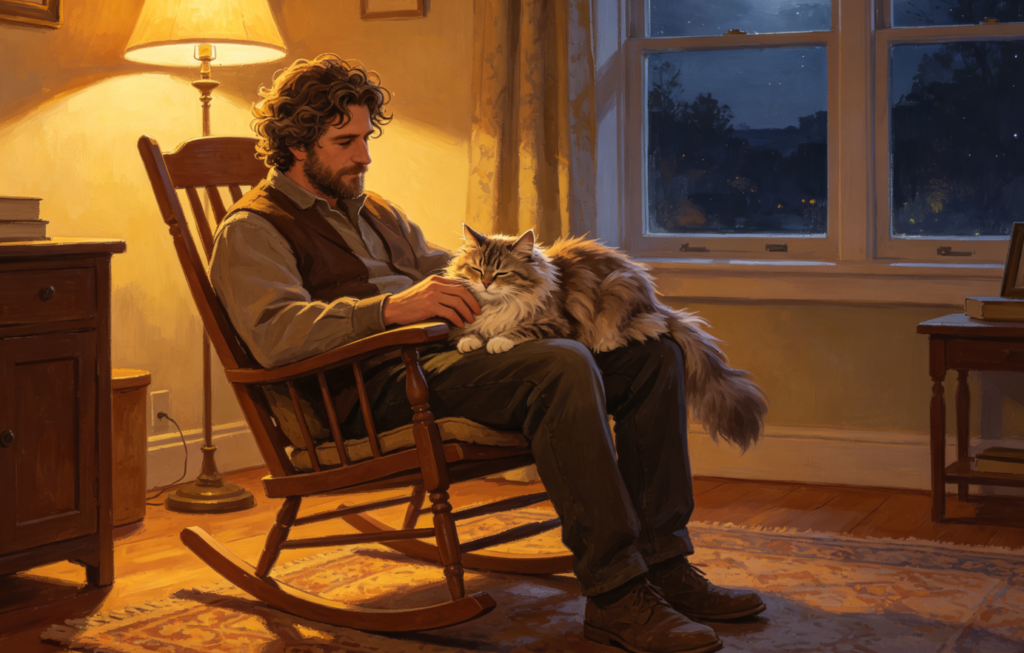
In the meantime, try these supportive measures:
- Stick to a consistent daily routine
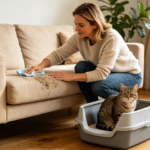
- Provide a low-sided litter box near their sleeping area
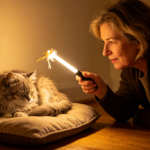
- Use night lights to reduce disorientation
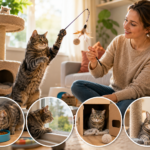
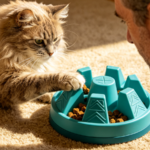
- Offer a late-night snack or puzzle feeder
- Consider calming pheromone diffusers (Feliway)
Nighttime meowing in senior cats is rarely “just old age.” It is usually their way of telling you something is wrong. With proper diagnosis and treatment, many cats show dramatic improvement, allowing both you and your cat to enjoy peaceful nights again.
By paying attention to this important signal and taking prompt action, you can help your senior cat feel more comfortable and secure during their golden years.
Related posts:
 10 Common Health Problems in Senior Cats You Should Never Ignore
 Common Senior Cat Health Problems You Should Never Ignore
 Why Is My Senior Cat Losing Weight Suddenly? Top Health Reasons and How to Help
 Senior Cat Lethargy: Causes, Symptoms and What to Do for Concerned Pet Owners
 7 Silent Senior Cat Health Issues Most Owners Miss Until It’s Too Late
 Top 10 Tips to Help Your Senior Cat Thrive in Their Golden Years and Improve Your Senior Cat’s
 5 Biggest Killers of Senior Cats: Common Causes, Warning Signs & How to Protect Your Feline
 Senior Cat Shedding: Causes, Excessive Hair Loss, and How to Stop It