





























10 Warning Signs You Should Take Your Senior Cat to the Vet
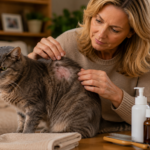
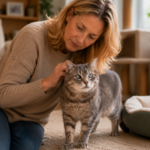
As cats grow older, health problems become more common and sometimes harder to detect. Senior cats are experts at hiding discomfort, which means serious illnesses may develop quietly over time. Because of this, owners should pay close attention to small physical or behavioral changes that could signal an underlying problem. Early veterinary care often makes treatment more effective and improves a cat’s quality of life.
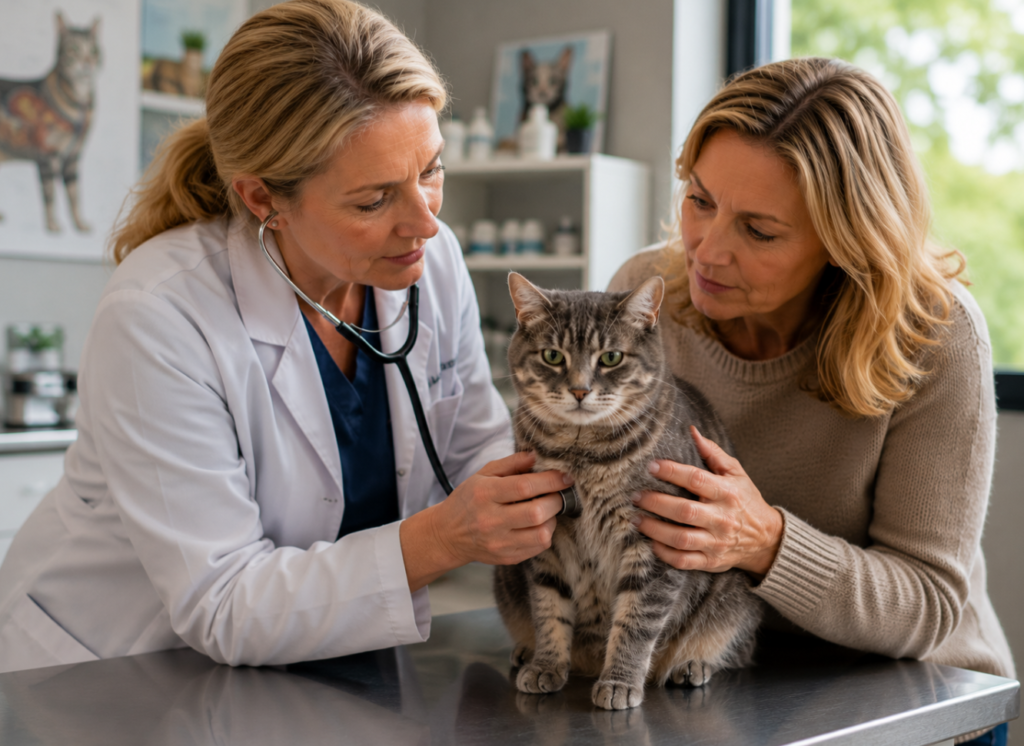
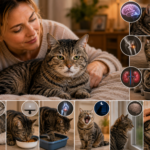
Here are 10 important warning signs that your senior cat may need veterinary attention.
1. Sudden Weight Loss
Losing weight without a clear reason is never normal in elderly cats. It may be linked to kidney disease, diabetes, hyperthyroidism, dental problems, or even cancer. Even gradual weight loss should be monitored carefully.
2. Increased Drinking and Urination
If your cat suddenly drinks much more water or urinates more frequently, it could indicate kidney disease or diabetes. These conditions are very common in aging cats and should be diagnosed early whenever possible.
3. Loss of Appetite
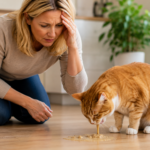
A senior cat refusing food for more than a day can quickly become dangerous. Appetite loss may result from dental pain, digestive issues, infections, or chronic illness. Cats that stop eating entirely should see a veterinarian immediately.
4. Difficulty Jumping or Walking
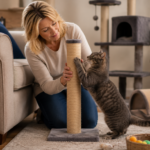
Many older cats develop arthritis and joint pain. If your cat hesitates before jumping, walks stiffly, or avoids stairs, they may be experiencing discomfort that requires treatment or lifestyle adjustments.
5. Changes in Litter Box Habits
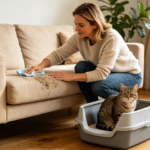
Accidents outside the litter box, constipation, diarrhea, or straining may signal digestive problems, urinary infections, arthritis, or kidney issues. Sudden litter box changes should never be ignored in senior cats.
6. Bad Breath or Drooling
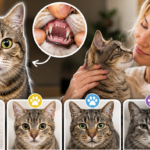
Dental disease is extremely common in elderly cats. Persistent bad breath, swollen gums, drooling, or difficulty chewing may indicate painful oral infections or tooth problems that require veterinary care.
7. Excessive Sleeping or Low Energy
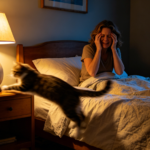
Senior cats naturally sleep more, but extreme lethargy or unusual weakness can be a warning sign of illness. If your cat seems unusually tired, withdrawn, or uninterested in normal activities, a health issue may be developing.
8. Behavioral Changes
Aggression, confusion, increased vocalization, hiding, or sudden clinginess may reflect pain, anxiety, or cognitive decline. Changes in personality are often overlooked but can reveal important medical or emotional problems.
9. Vomiting or Digestive Problems
Occasional hairballs are common, but frequent vomiting, diarrhea, bloating, or constipation may point to digestive disorders, food intolerance, kidney disease, or other serious conditions.
10. Breathing Problems
Labored breathing, coughing, wheezing, or breathing with an open mouth should always be treated as an emergency. Respiratory problems in cats can become serious very quickly.
Senior cats age differently, and some remain healthy well into their later years. However, subtle symptoms are often the first signs that something is wrong. Regular veterinary checkups, blood tests, and close observation at home help catch problems early before they become severe.
Most importantly, owners should trust their instincts. If your senior cat simply “doesn’t seem like themselves,” it is often worth scheduling a veterinary visit. Small changes can sometimes reveal major health conditions.
With proper medical care, patience, and attention, many senior cats can continue living comfortable, happy, and loving lives for many years.
Related posts:
 Common Health Problems in Senior Cats and Warning Signs Every Owner Should Know
 How to Care for a Senior Cat in Its Final Years: Essential Tips Every Cat Owner Should Know
 Why Your Senior Cat Stopped Playing and How to Bring Back Their Energy
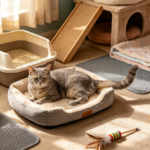 10 Essential Tips to Create a Comfortable and Safe Space for Your Senior Cat
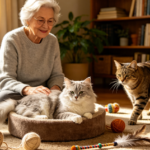 Why Senior Cats Stop Playing and How to Encourage Them to Stay Active
 Top 7 Ways to Make Your Senior Cat Live Longer and Happier
 What Can Owners Do to Help Senior Cats Live Longer and Good Health
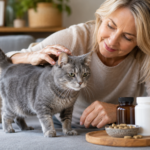 Top Joint Supplements for Senior Cats to Reduce Pain and Improve Movement
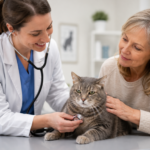 How Often Should Senior Cats Visit the Vet? A Complete Health Check Guide
 When Is a Cat Considered Senior? Cat Age and Aging Explained