














6 Essential Veterinary Checkup Guidelines to Keep Senior Cats Healthy
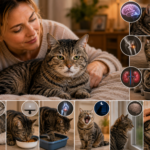
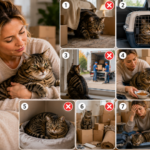
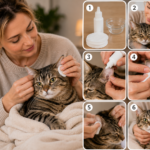
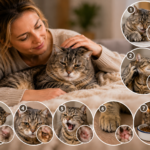
As cats age, regular veterinary checkups become increasingly important to maintain their health and well-being. Senior cats often hide signs of illness, making it easy for medical problems to go unnoticed until they become serious. Consistent veterinary care helps detect health issues early and ensures your aging feline enjoys a comfortable, high-quality life.
Here are six essential guidelines for veterinary checkups for senior cats.
1. Schedule Regular Wellness Exams
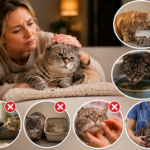
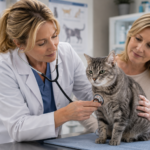
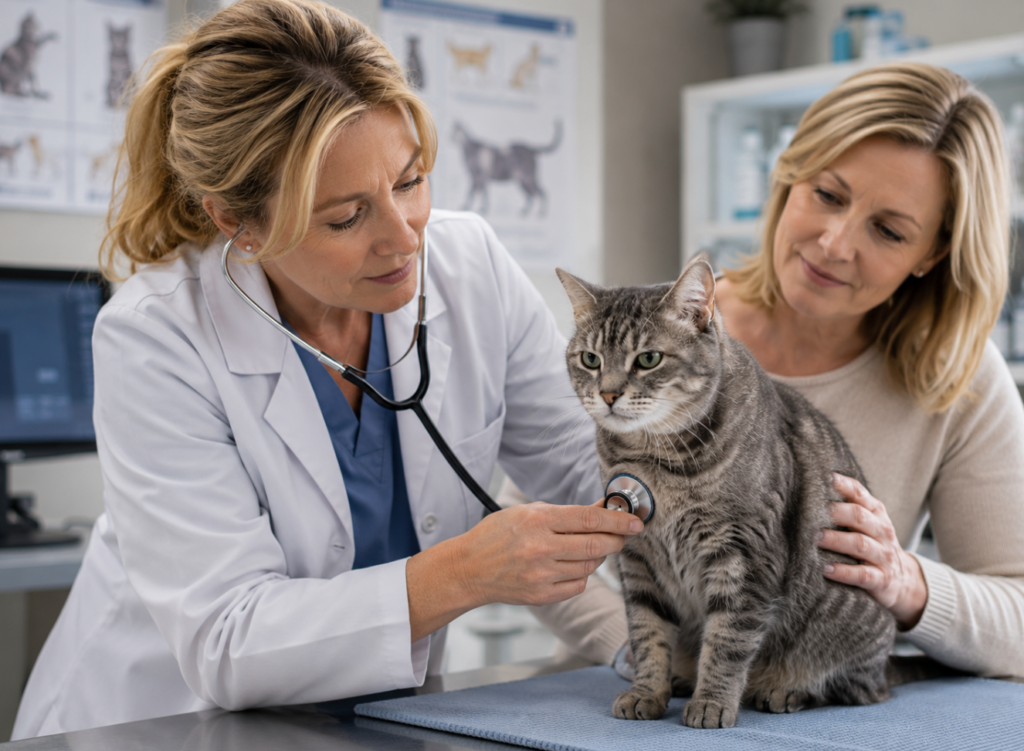
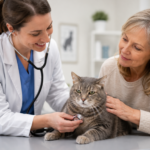
Senior cats should visit the veterinarian at least twice a year, even if they appear healthy. Regular exams allow the vet to monitor changes in weight, coat condition, mobility, and overall behavior. Early detection of disease significantly improves treatment outcomes.
2. Monitor Weight and Body Condition
Weight changes in senior cats are often one of the first signs of underlying illness. A sudden loss may indicate kidney disease, hyperthyroidism, or diabetes, while weight gain can contribute to joint stress and obesity-related complications. Your veterinarian can track body condition and adjust dietary recommendations accordingly.
3. Dental Health Assessment
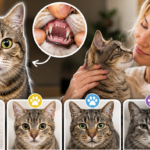
Dental disease is common in older cats and can lead to pain, infection, and reduced appetite. Senior checkups should include thorough dental evaluations. Professional cleanings and at-home dental care, such as brushing or dental treats, help maintain oral health.
4. Blood Work and Diagnostic Testing
Routine blood work, urine analysis, and other diagnostic tests are crucial for detecting age-related conditions like kidney disease, liver issues, and diabetes. Early detection through lab testing allows for timely intervention, potentially slowing disease progression.
5. Vaccinations and Parasite Control
Senior cats still require appropriate vaccinations and parasite prevention. Your veterinarian will advise which vaccines are necessary based on age, lifestyle, and health status. Flea, tick, and worm prevention remain important to protect your cat’s overall health.
6. Monitor Mobility and Joint Health
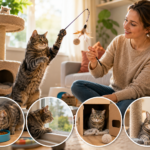
Arthritis and joint stiffness are common in aging cats, affecting comfort and activity levels. During checkups, your vet can assess mobility, recommend joint supplements, or suggest environmental adjustments such as ramps, soft bedding, and non-slip surfaces.
Conclusion
Regular veterinary checkups are vital for keeping senior cats healthy, happy, and comfortable. By following these six guidelines—frequent wellness exams, weight monitoring, dental care, diagnostic testing, vaccinations, and mobility assessments—owners can detect issues early and provide proactive care.
Senior cats may age gracefully, but they require consistent attention to maintain quality of life. A strong partnership with your veterinarian ensures that your elderly feline enjoys a safe, active, and fulfilling life during their golden years.
Related posts:
 5 Biggest Killers of Senior Cats: Common Causes, Warning Signs & How to Protect Your Feline
 Senior Cat Losing Weight: Natural Aging or a Health Problem?
 8 Warning Signs You Should Take Your Senior Cat to the Vet Immediately
 10 Common Health Problems in Senior Cats You Should Never Ignore
 Common Senior Cat Health Problems You Should Never Ignore
 Why Is My Senior Cat Losing Weight Suddenly? Top Health Reasons and How to Help
 Why Your Senior Cat Meows at Night: Health Reasons Explained
 How Often Should Senior Cats Visit the Vet? A Complete Health Check Guide
 Why Is My Senior Cat Constipated? Common Causes and Solutions Explained
 Does Your Senior Cat Have Arthritis? Quiet Signs You Shouldn’t Ignore