





















Does Your Senior Cat Have Arthritis? Quiet Signs You Shouldn’t Ignore
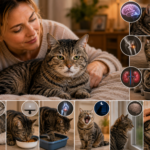
Arthritis is one of the most common health problems in senior cats, yet many owners do not realize their aging cat is suffering from joint pain. Unlike dogs, cats are extremely skilled at hiding discomfort. Instead of crying or limping dramatically, they often show subtle behavioral changes that are easy to mistake as “normal aging.”
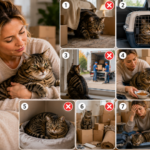
One of the earliest signs of arthritis is reduced movement. A senior cat that once jumped onto counters or climbed stairs easily may suddenly hesitate or avoid those activities altogether. Some cats begin using lower furniture or prefer staying on the floor because jumping becomes painful.
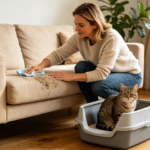
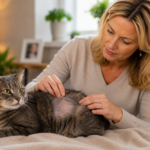
Changes in grooming habits are also common. Cats with stiff joints may struggle to twist and reach certain areas of their body. As a result, their coat may look messy, oily, or matted, especially around the back and hips. Some cats may even overgroom painful joints, leading to thinning fur.
Litter box behavior can provide another clue. Arthritis can make climbing into high-sided litter boxes uncomfortable. Senior cats with joint pain may start having accidents outside the litter box simply because entering it hurts. Switching to a low-entry litter box often helps.
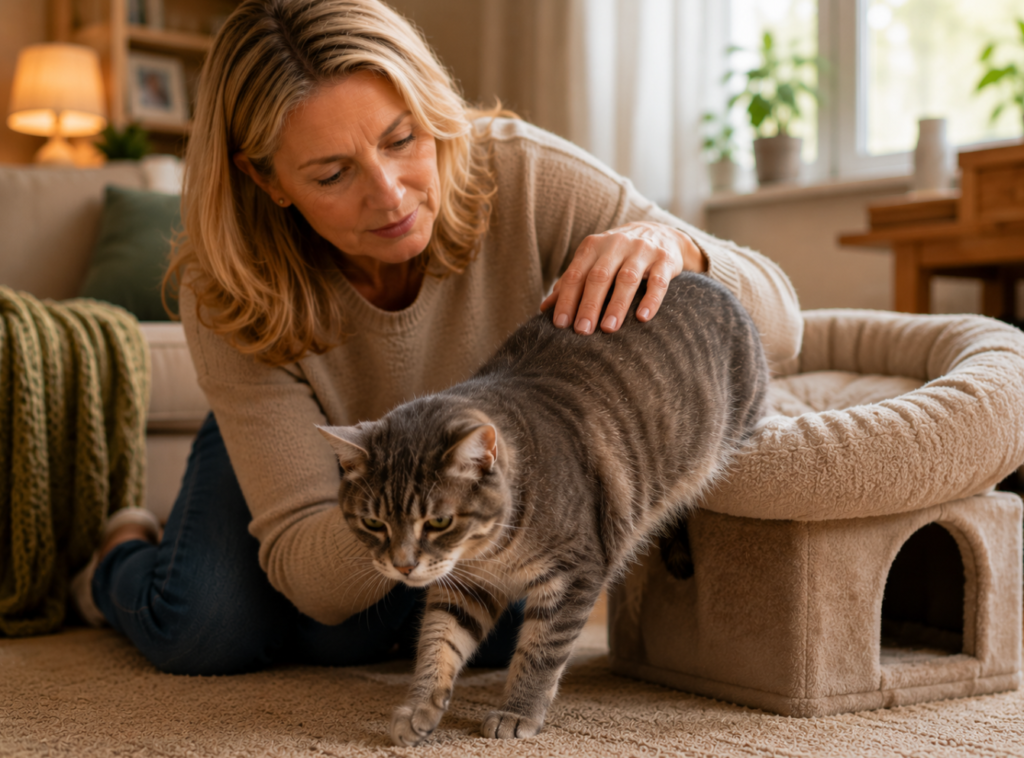
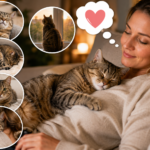
Owners may also notice changes in personality. Cats experiencing chronic pain sometimes become more irritable, withdrawn, or less interested in interaction. A normally affectionate cat may resist being picked up or touched near sore joints.
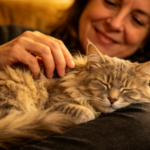
Sleeping patterns can also change. Arthritic cats often sleep more because movement feels tiring or uncomfortable. Some may struggle to find comfortable resting positions or move stiffly after waking up.
Weight gain can worsen arthritis because extra weight places additional pressure on aging joints. At the same time, some cats lose muscle mass due to reduced activity. Maintaining a healthy weight is an important part of joint care for senior cats.
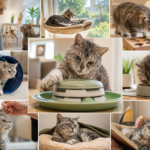
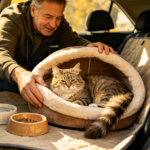
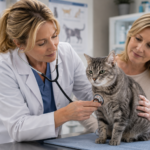
Fortunately, arthritis can often be managed successfully with proper treatment and home adjustments. Veterinarians may recommend pain relief medication, joint supplements, or special diets designed for joint support. Soft orthopedic beds, pet ramps, non-slip rugs, and easy access to food and litter areas can also improve daily comfort.
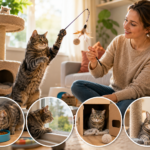
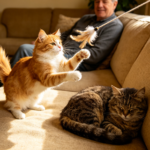
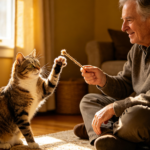
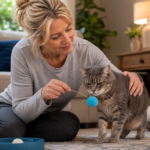
Gentle play and light movement are still important because complete inactivity may worsen stiffness over time. Short, low-impact play sessions help keep joints flexible and muscles stronger.
Most importantly, owners should not assume slowing down is simply “old age.” Many senior cats with arthritis continue living happy and comfortable lives once their pain is properly recognized and managed.
Paying attention to these quiet signs can make a huge difference in your cat’s health and quality of life. Early treatment often helps senior cats stay active, comfortable, and emotionally connected to their families for many more years.
Related posts:
 10 Common Health Problems in Senior Cats You Should Never Ignore
 Common Senior Cat Health Problems You Should Never Ignore
 Why Is My Senior Cat Losing Weight Suddenly? Top Health Reasons and How to Help
 7 Silent Senior Cat Health Issues Most Owners Miss Until It’s Too Late
 Top 10 Tips to Help Your Senior Cat Thrive in Their Golden Years and Improve Your Senior Cat’s
 Why Your Senior Cat Meows at Night: Health Reasons Explained
 Top Joint Supplements for Senior Cats to Reduce Pain and Improve Movement
 How Often Should Senior Cats Visit the Vet? A Complete Health Check Guide
 Why Is My Senior Cat Constipated? Common Causes and Solutions Explained
 Senior Cat Losing Weight: Natural Aging or a Health Problem?