














































6 Key Signs Your Senior Cat Is Nearing the End of Life
Watching a beloved senior cat age is a difficult experience for every pet owner. As cats enter their late senior years, their bodies slowly weaken, and subtle physical and behavioral changes begin to appear. Recognizing the key end-of-life signs in aging cats allows owners to provide gentle, compassionate care, reduce their pain, and offer them comfort during their final days. Here are six common and reliable signs that indicate your senior cat may be nearing the end of its life.
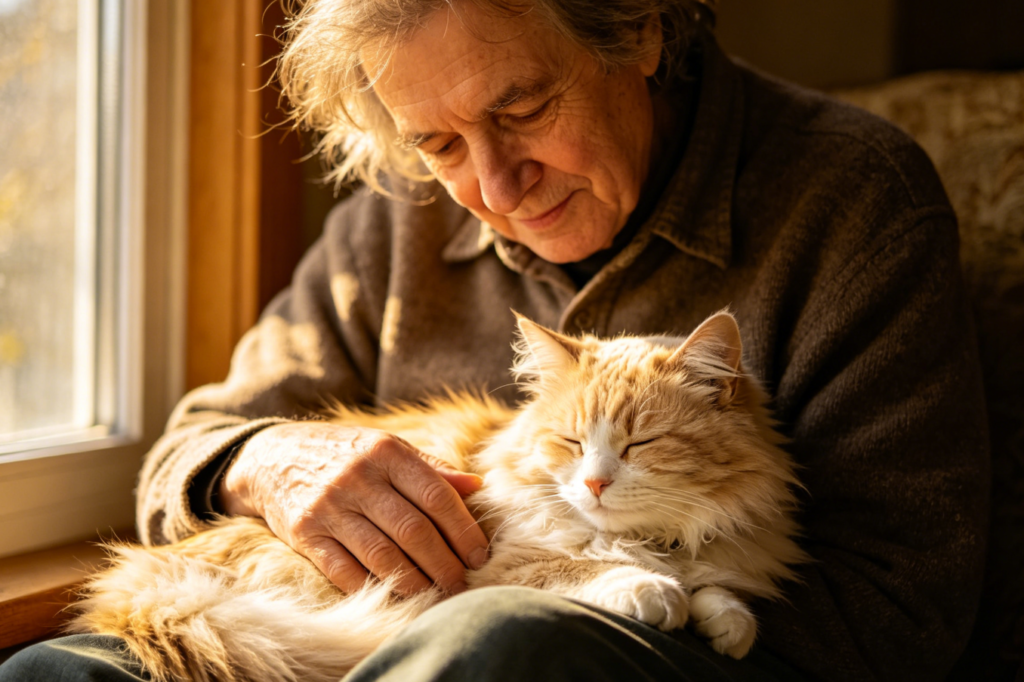
First, drastic loss of appetite and weight. Sick or dying senior cats often lose interest in food and water. They may skip meals entirely or only nibble occasionally. Rapid, unexplained weight loss is one of the most obvious red flags, as their bodies can no longer absorb nutrients effectively. Severe dehydration and muscle wasting usually follow this change.
Second, extreme lethargy and lack of movement. Healthy senior cats enjoy short walks and gentle play. When they are nearing the end of life, they sleep almost all day, refuse to move, and avoid jumping or climbing. They may stay in one fixed spot for hours, showing no interest in their usual activities or favorite toys.
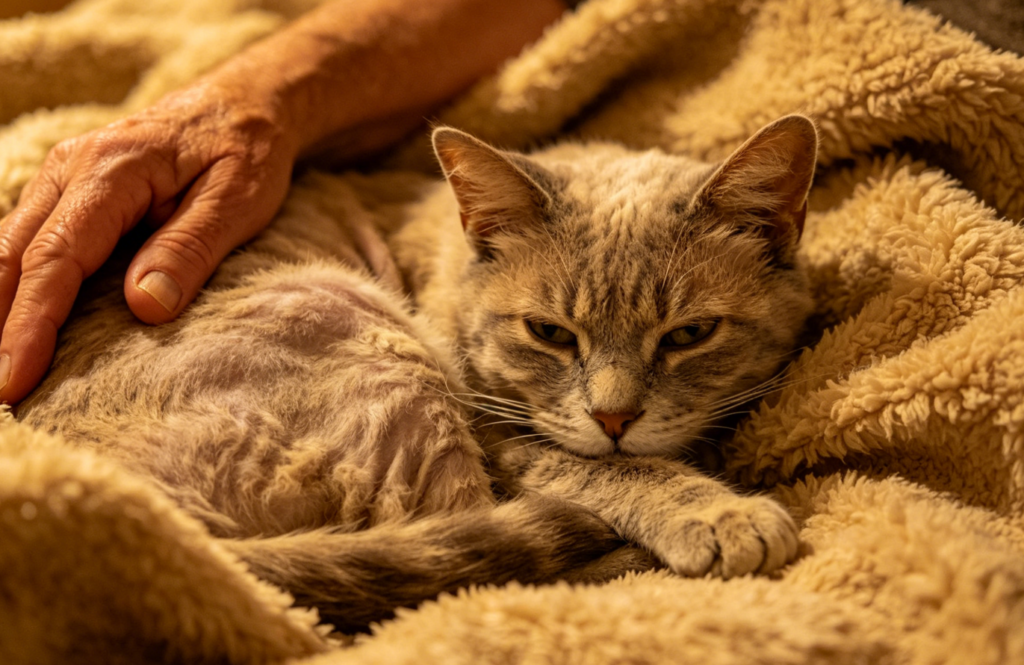
Third, poor grooming and messy coat condition. Cats are naturally clean animals. A dying senior cat will stop grooming itself due to physical weakness and fatigue. Their fur becomes dull, matted, greasy, and unkempt, with visible dandruff and bald patches, indicating severe physical decline.
Fourth, breathing abnormalities. Irregular, shallow, or rapid breathing is a critical end-of-life sign. Some cats may breathe with their mouths open or experience labored breathing even at rest. Mucus buildup and frequent coughing can also occur as organ function begins to fail.
Fifth, loss of bodily control. Weakened organs and muscle function often cause incontinence. Senior cats may accidentally urinate or defecate outside the litter box. They may also struggle to stand steadily, tremble frequently, or lose balance while walking.
Sixth, social withdrawal and reduced responsiveness. Nearing the end of life, most cats become quiet and withdrawn. They no longer greet their owners, avoid cuddles, and seem indifferent to their surroundings. Even familiar voices and touches fail to arouse their attention.
Seeing these signs can be heartbreaking, but early recognition helps owners offer better end-of-life care. Keep your cat warm, comfortable, and stress-free, provide easy access to food and water, and spend quiet quality time with them. Consult your veterinarian promptly to relieve pain and ensure your senior cat passes peacefully, safely, and with love.
Related posts:
 When Is a Cat Considered a Senior? Complete Age Guide
 Why Senior Cats Stop Playing and How to Encourage Them
 7 Clear Signs Your Senior Cat Is Nearing the End of Life You Should Never Miss
 Senior Cat Behavior Changes: What Every Owner Should Know About Aging Cats
 How Aging Affects a Cat’s Body, Mind and Mood & Simple Ways to Support Them
 Signs Your Cat Is Becoming a Senior ,You Might Be Missing!
 How Long Do Senior Cats Live? Realistic Lifespan Guide 2026
 Senior Cat Lifespan: How Long Cats Live and What Affects Their Age
 Why Does Your Cat Follow You to the Bathroom Every Morning? Common Reasons Explained
 When Is a Cat Considered Senior? Cat Age and Aging Explained