
















































7 Clear Signs Your Senior Cat Is Nearing the End of Life You Should Never Miss
Watching a beloved senior cat approach the end of its life is one of the most heart-wrenching experiences a cat owner can face. For cats in their final weeks or months—typically 15 years and older—subtle yet clear changes in their behavior, physical health, and demeanor signal that their time with you is drawing near. Recognizing these signs is crucial: it allows you to prioritize their comfort, shower them with love, and make their final days as peaceful as possible. These signs are not just “normal aging”—they are gentle indicators that your feline companion is transitioning, and knowing them helps you honor their journey with compassion. Below are 7 clear signs your senior cat is nearing the end of life, signs no owner should ever miss.
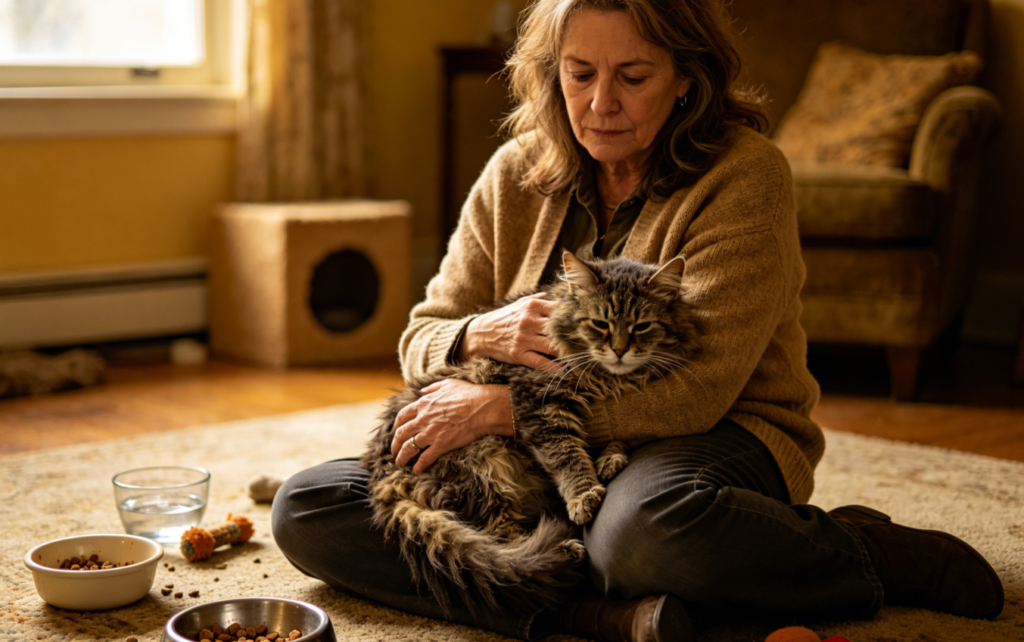
- Severe Loss of Appetite and Weight Loss – One of the most common and noticeable signs is a complete or near-complete loss of interest in food and water. Senior cats nearing the end of life often stop eating entirely, even their favorite treats, and experience rapid, unexplained weight loss—their bodies begin to shut down, and they no longer have the energy or desire to eat. This is not just a sign of aging; it is a clear indicator that their body is preparing for the end. If your cat refuses food for more than 24–48 hours, focus on keeping them comfortable rather than forcing them to eat.
- Extreme Lethargy and Weakness – Cats nearing the end of life will sleep most of the day, often for 20 hours or more, and show little to no interest in their surroundings. They may struggle to stand, walk, or move around, and when they do, they appear weak, unsteady, or exhausted. Even simple tasks like getting up to drink water or use the litter box become too much for them. This extreme lethargy is not laziness—it is their body conserving energy as it shuts down.
- Changes in Breathing – Abnormal breathing is a critical sign to watch for. You may notice your cat breathing more rapidly, shallowly, or with effort—their chest may heave, or they may breathe through their mouth (a sign of distress in cats). Conversely, some cats may breathe very slowly and deeply. Labored breathing often indicates that their organs, such as the heart or lungs, are failing, and it is a clear sign that their time is near.
- Withdrawal and Isolation – Senior cats nearing the end of life often withdraw from their owners and their usual surroundings. They may seek out quiet, hidden spots in the home—under beds, in closets, or in dark corners—to be alone. They may no longer greet you at the door, seek cuddles, or show interest in interaction. This withdrawal is not a rejection; it is a natural instinct for cats to seek a safe, quiet place to rest in their final days.
- Changes in Litter Box Habits – Cats nearing the end of life often lose control of their bladder or bowels, leading to accidents outside the litter box. They may also stop using the litter box entirely, as they lack the strength to reach it or control their bodily functions. Additionally, they may urinate or defecate less frequently, as their body is no longer processing food and water normally.
- Dullness of Senses and Disorientation – A cat nearing the end may lose their sense of sight or hearing, appearing disoriented or confused. They may bump into furniture, fail to respond to their name or familiar sounds, or stare blankly into space. Cognitive decline becomes more severe, and they may no longer recognize their owners or their home. This disorientation is a result of their brain function slowing down as they transition.
- Changes in Body Temperature and Coat – As their body shuts down, a senior cat’s body temperature may drop—their paws, ears, and nose may feel cold to the touch. Their coat, which was once shiny and well-groomed, may become dull, matted, and unkempt, as they no longer have the energy to groom themselves. Skin may become dry, thin, or pale, and they may lose fur in patches.
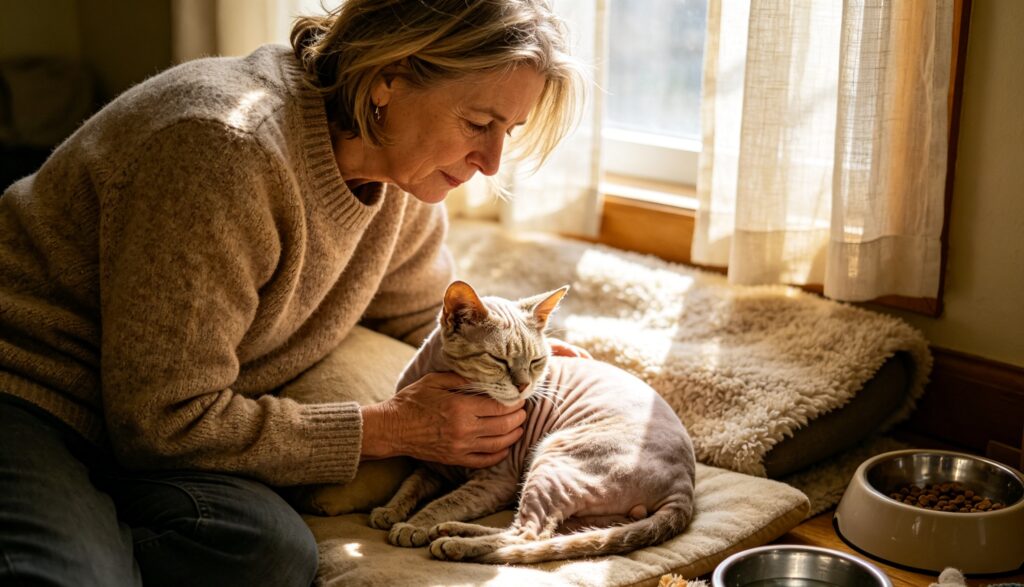
It is important to remember that every cat’s end-of-life journey is different—some may show these signs gradually over weeks, while others may show them suddenly. If you notice any of these signs, consult your vet to rule out any treatable conditions and to get guidance on keeping your cat comfortable. The most important thing you can do is be present: sit with them, pet them gently, speak to them in a soft voice, and let them know they are loved.
In conclusion, recognizing these 7 clear signs helps you honor your senior cat’s final days with compassion and care. These signs are not meant to cause panic, but to guide you in providing the comfort and love your feline companion deserves as they approach the end of their journey. Your presence and devotion will be the greatest gift you can give them in their final moments.




It’s tough to watch our furry friends age. Did any specific signs stand out to you when your cat was nearing the end?
It really is heartbreaking. For me, the biggest signs were less energy, sleeping much more than usual, and wanting extra comfort and closeness. They somehow let us know in their own quiet way. ❤️