







































How to Stop a Cat from Scratching Furniture Without Stress or Punishment
Few things frustrate cat owners more than finding claw marks on a favorite couch or chair. While scratching may seem like bad behavior, it is actually a completely natural and necessary activity for cats. Scratching helps cats maintain healthy claws, stretch their muscles, release energy, and mark their territory.
The good news is that you can reduce furniture scratching without punishment or stress. The key is understanding why your cat scratches and providing better alternatives.
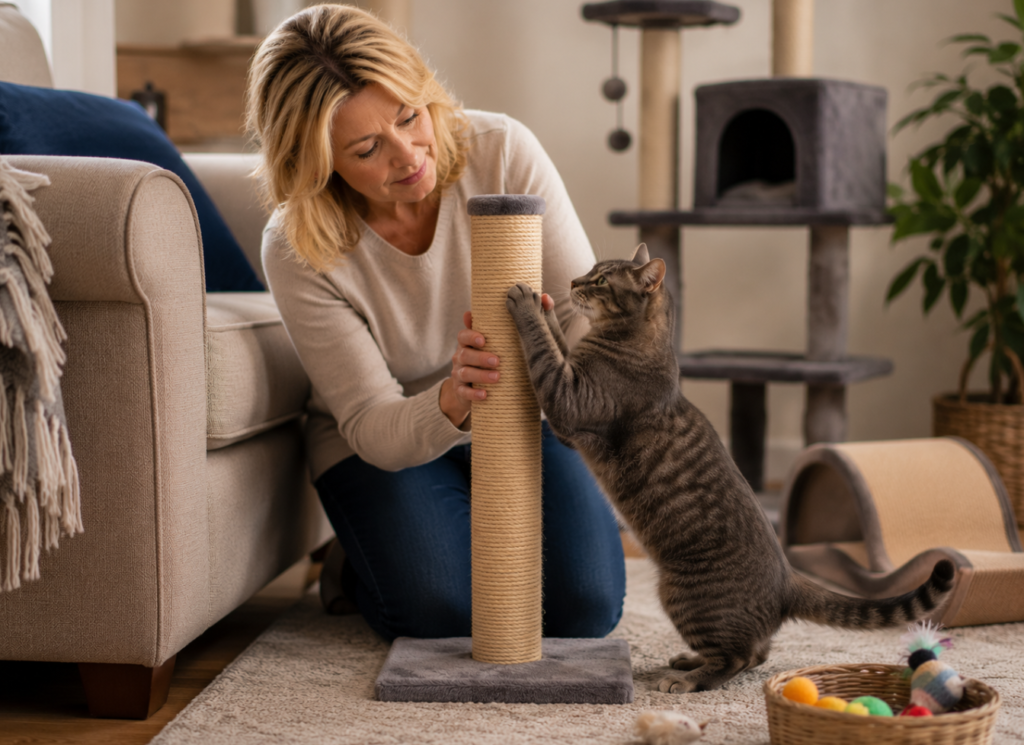
Understand Why Cats Scratch
Cats do not scratch furniture to annoy their owners. Scratching is an instinctive behavior that serves several important purposes. It removes the outer layer of old claw material, helps cats stretch their bodies, and leaves both visual and scent marks that help them feel secure in their environment.
Because scratching is natural, the goal should never be to stop scratching entirely. Instead, redirect the behavior to appropriate surfaces.
Provide Attractive Scratching Posts
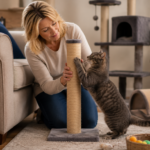
One of the most effective solutions is offering multiple scratching posts. Some cats prefer vertical posts, while others enjoy horizontal scratching pads. Experiment with different materials such as sisal, cardboard, carpet, or wood to discover your cat’s preference.
Place scratching posts near the furniture your cat currently targets. Cats are much more likely to use a convenient alternative than one placed in a distant corner.
Make Furniture Less Appealing
Temporary furniture protectors can help break the habit. Double-sided tape, furniture covers, or specially designed scratch guards often discourage scratching because cats dislike the texture.
At the same time, make scratching posts more attractive by sprinkling catnip on them or rewarding your cat when they use them.
Use Positive Reinforcement
Whenever your cat scratches an approved surface, offer praise, treats, or gentle attention. Positive reinforcement teaches your cat that using the scratching post leads to good things.
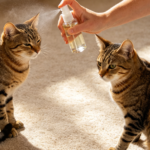
Avoid yelling, spraying water, or physical punishment. These methods often create fear and confusion without solving the underlying behavior.
Keep Your Cat Mentally Stimulated
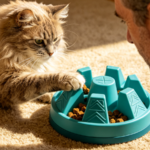
Boredom can increase unwanted scratching. Interactive toys, climbing trees, puzzle feeders, and daily play sessions help cats release energy in healthy ways. A mentally engaged cat is less likely to develop destructive habits.
Maintain Regular Nail Care
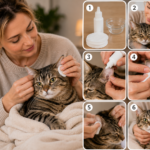
Regular nail trimming can reduce damage caused by scratching. Shorter claws are less likely to leave deep marks on furniture while still allowing your cat to engage in natural scratching behavior.
Conclusion
Scratching is a normal part of being a cat, and punishment rarely provides a lasting solution. By understanding your cat’s needs, providing attractive scratching alternatives, and rewarding positive behavior, you can protect your furniture while keeping your cat happy and stress-free.
With patience and consistency, most cats can learn to choose their scratching posts over your couch, creating a more peaceful home for both pets and owners.
Related posts:
 Why Does Your Cat Follow You to the Bathroom Every Morning? Common Reasons Explained
 Why Your Cat Prefers a Simple Cardboard Box Over a Fancy New Bed
 When Is a Cat Considered a Senior? Complete Age Guide
 Why Senior Cats Stop Playing and How to Encourage Them
 How Aging Affects a Cat’s Body, Mind and Mood & Simple Ways to Support Them
 Signs Your Cat Is Becoming a Senior ,You Might Be Missing!
 How Long Do Senior Cats Live? Realistic Lifespan Guide 2026
 Simple Home Changes That Can Improve Life for Your Elderly Cat
 When Is a Cat Considered Senior? Cat Age and Aging Explained
 6 Key Signs Your Senior Cat Is Nearing the End of Life