







Simple Home Changes That Can Improve Life for Your Elderly Cat
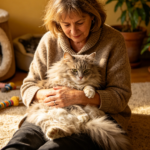
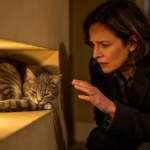
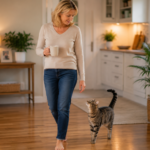
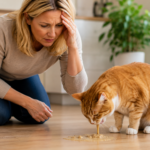
As cats grow older, their needs begin to change. An energetic kitten that once jumped effortlessly onto shelves may later struggle to climb stairs or reach favorite sleeping spots. Senior cats, usually over the age of 10, often experience reduced mobility, weaker eyesight, arthritis, and increased sensitivity to stress. Fortunately, a few simple home adjustments can greatly improve your elderly cat’s comfort, safety, and happiness.
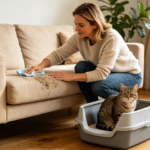
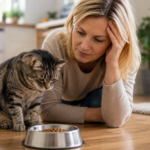
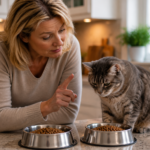
One of the easiest changes is making food, water, and litter boxes easier to access. Older cats may find it painful to walk long distances or climb stairs. Keeping these essentials on every floor of the house can help reduce stress and physical strain. For litter boxes, choose one with low sides so your cat can step in comfortably without hurting stiff joints.
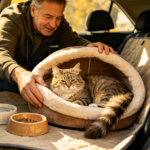
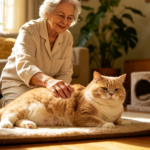
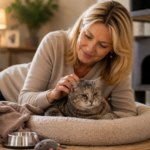
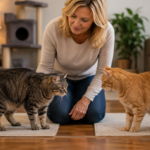
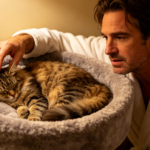
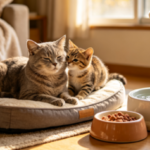
Comfortable sleeping areas are also very important. Senior cats sleep more than younger cats, and they appreciate warm, soft places to rest. Orthopedic pet beds or thick blankets can provide extra support for aging joints. Placing beds in quiet, draft-free areas can help older cats feel secure and relaxed.
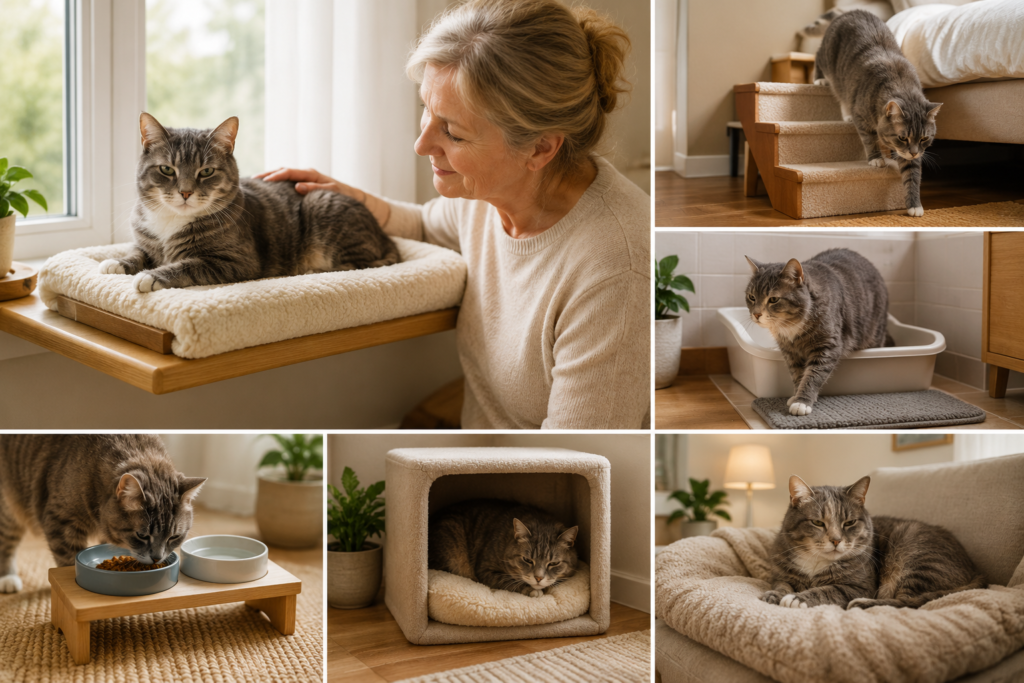
Many elderly cats struggle with jumping. If your cat can no longer reach the couch, bed, or windowsill, consider adding pet stairs or ramps. These simple tools allow cats to continue enjoying their favorite spots without risking injury. Even placing a sturdy chair near a high surface can make climbing easier.
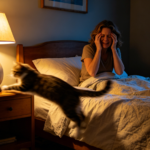
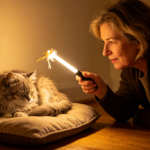
Lighting can make a surprising difference as well. Older cats sometimes develop vision problems, especially at night. Keeping hallways, litter box areas, and feeding stations softly lit can help them move around the house more confidently. Motion-sensor night lights are especially useful for senior pets.
Another important change is maintaining a calm environment. Aging cats are often more sensitive to noise and sudden changes. Loud music, frequent visitors, or moving furniture around too often may cause anxiety. Creating a quiet routine and providing hiding spots or cozy corners can help your cat feel safe.
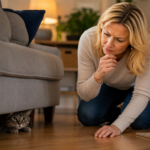
Flooring can also affect mobility. Slippery wood or tile floors may cause elderly cats to lose balance. Adding rugs or non-slip mats along common walking paths can improve stability and reduce the chance of falls.
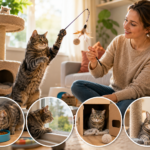
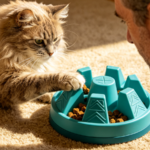
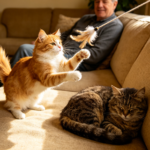
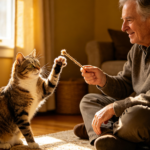
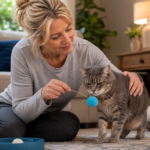
Finally, don’t forget mental stimulation. Even senior cats enjoy gentle play and interaction. Soft toys, puzzle feeders, or simply spending quiet time together can help keep your cat emotionally healthy. Short play sessions also encourage light exercise, which is good for maintaining muscle strength.
Growing old is a natural part of life, and our pets deserve comfort and care during their senior years. By making a few thoughtful changes around the home, you can help your elderly cat stay happier, healthier, and more comfortable every day.
Related posts:
 Senior Cat Grooming Tips for Older Cats With Matted Fur
 How to Care for a Senior Cat in Its Final Years: Essential Tips Every Cat Owner Should Know
 10 Essential Tips to Create a Comfortable and Safe Space for Your Senior Cat
 10 Summer Care Tips to Protect Senior Cats From Heatstroke Every Pet Owner Should Follow
 Why Senior Cats Stop Playing and How to Encourage Them to Stay Active
 How Often Should Senior Cats Get Checkups and How to Prepare
 7 Silent Senior Cat Health Issues Most Owners Miss Until It’s Too Late
 Top 7 Ways to Make Your Senior Cat Live Longer and Happier
 Top 10 Tips to Help Your Senior Cat Thrive in Their Golden Years and Improve Your Senior Cat’s
 What Can Owners Do to Help Senior Cats Live Longer and Good Health