































5 Subtle Clues Your Senior Cat Has Joint Discomfort: Early Signs of Feline Arthritis
Feline arthritis is an extremely common health issue for senior cats over seven years old. Unlike obvious injuries, early joint discomfort is quiet and easy to overlook. Most pet owners only notice the problem when their cats suffer severe pain and mobility loss. In fact, senior cats send out many subtle warning signs in daily life. Catching these five clues early can help you relieve their pain and protect their joint health in time.
First, your cat refuses to jump or reduces jumping height drastically. If your cat used to leap onto sofas, beds and window sills freely but now chooses to climb slowly or give up jumping entirely, it is the most typical early sign. Jumping puts pressure on joints, and cats will actively avoid painful movements.
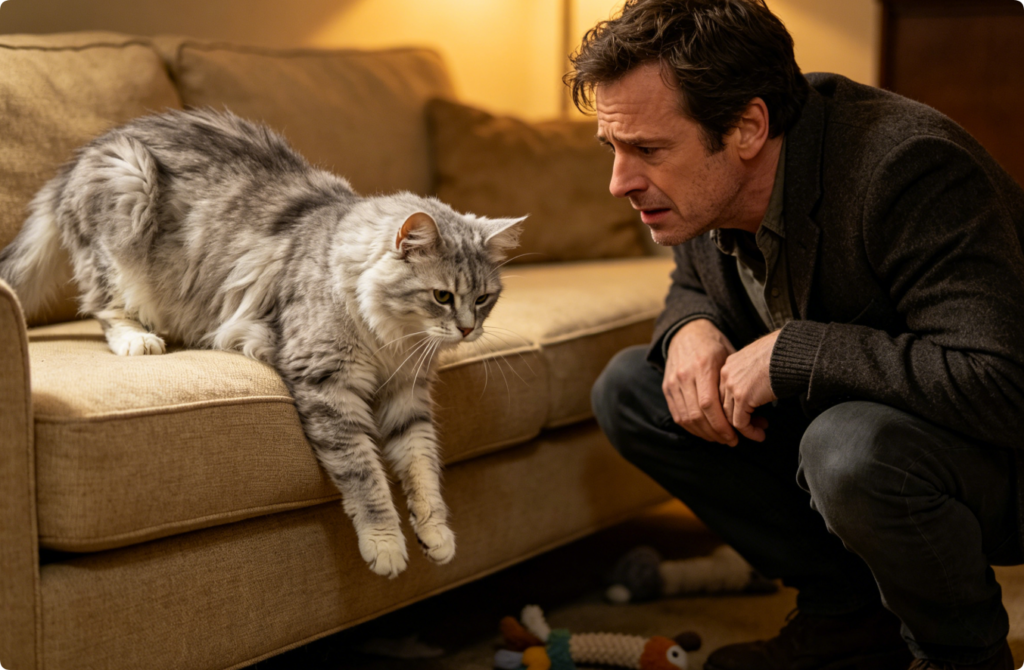
Second, stiff and slow movements, especially in the morning. Senior cats with mild arthritis appear stiff after waking up. They stretch slowly, walk sluggishly and look uncoordinated for the first ten minutes after getting up. The stiffness eases slightly after moving around, making many owners mistake it for normal aging laziness.
Third, reduced self-grooming and messy fur. Cats with joint pain struggle to bend their bodies and lift their limbs. They can no longer clean their backs, tails and hind legs thoroughly. Gradually, their fur becomes unkempt, matted and dull, which is a hidden signal of joint stiffness and soreness.
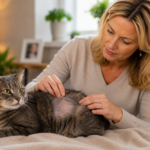
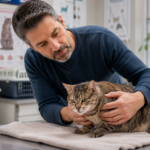
Fourth, slight resistance to touch on limbs and back. Affected cats will flinch, move away or flick their tails when you touch their spine, shoulders or hind legs. They do not act aggressively but show obvious discomfort, indicating inflamed and sensitive joints.
Fifth, longer resting time and less activity. Arthritic senior cats conserve energy to avoid pain. They stop wandering around the house, reduce playing and sleep far longer than usual. This low-energy state is often misjudged as normal aging.
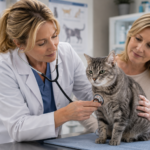
Arthritis is progressive, but early intervention can greatly improve senior cats’ quality of life. By recognizing these subtle clues, you can provide gentle care, proper supplements and vet check-ups to keep your aging cat comfortable and pain-free in their golden years.
Related posts:
 10 Common Health Problems in Senior Cats You Should Never Ignore
 Common Senior Cat Health Problems You Should Never Ignore
 Why Is My Senior Cat Losing Weight Suddenly? Top Health Reasons and How to Help
 Why Your Senior Cat Meows at Night: Health Reasons Explained
 How Often Should Senior Cats Visit the Vet? A Complete Health Check Guide
 Why Is My Senior Cat Constipated? Common Causes and Solutions Explained
 Does Your Senior Cat Have Arthritis? Quiet Signs You Shouldn’t Ignore
 Senior Cat Skin Issues: Why Your Feline Itches & Develops Bald Spots, Plus Practical Treatments
 8 Warning Signs You Should Take Your Senior Cat to the Vet Immediately
 Weight Management for Overweight Senior Cats: Safe Diet & Exercise Tips