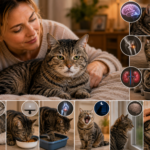
















How to Keep Indoor Cats Happy, Healthy, and Active Every Day
Indoor cats often enjoy longer, safer lives than outdoor cats, but living exclusively inside also means they rely entirely on their owners for exercise, entertainment, and mental stimulation. Without enough activity, indoor cats can become bored, overweight, or develop unwanted behaviors such as scratching furniture or excessive meowing.
Fortunately, a few simple daily habits can help your indoor cat live a healthier and happier life.
1. Encourage Daily Playtime
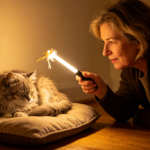
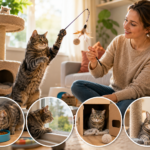
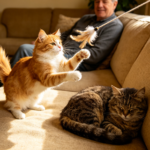
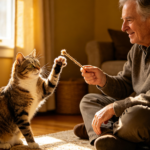
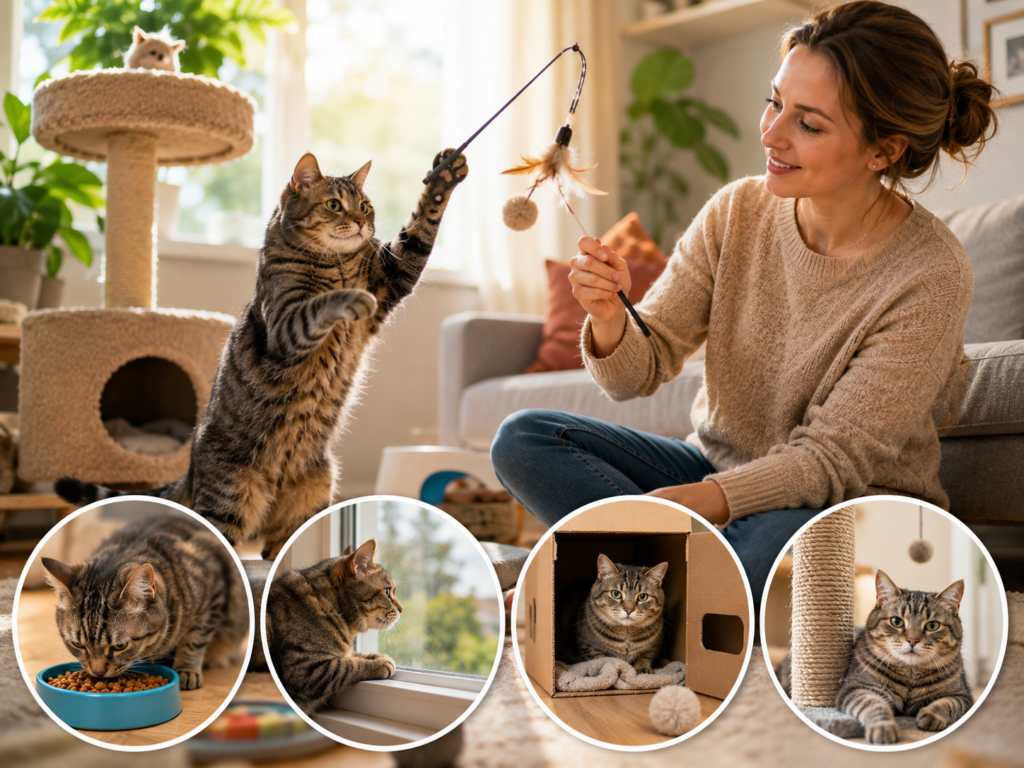
Interactive play is one of the best ways to keep your cat physically active. Feather wands, toy mice, laser pointers, and rolling balls encourage natural hunting instincts and provide valuable exercise.
Aim for at least two 15-minute play sessions every day. Regular activity helps maintain a healthy weight while strengthening the bond between you and your cat.
2. Create Vertical Spaces
Cats naturally enjoy climbing and observing their surroundings from above. Cat trees, wall shelves, and window perches give them opportunities to explore, jump, and rest in elevated spaces.
Vertical environments also increase usable living space, especially in apartments.
3. Provide Mental Enrichment
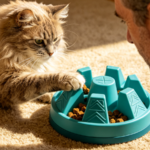
Mental stimulation is just as important as physical exercise. Puzzle feeders, treat-dispensing toys, and rotating play items keep your cat engaged and prevent boredom.
Even placing a bird feeder outside a window can provide hours of safe entertainment for curious indoor cats.
4. Feed a Balanced Diet
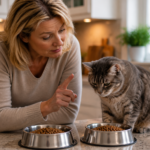
Nutrition plays a major role in your cat’s overall health. Choose high-quality food that matches your cat’s age, activity level, and medical needs.
Measure portions carefully and avoid excessive treats, as indoor cats typically burn fewer calories than outdoor cats. Maintaining a healthy weight reduces the risk of diabetes, arthritis, and other chronic conditions.
5. Maintain a Clean and Comfortable Environment
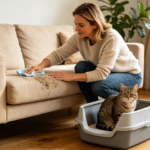
Cats appreciate consistency and cleanliness. Scoop litter boxes daily, provide fresh water, and wash food bowls regularly.
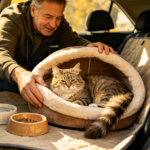
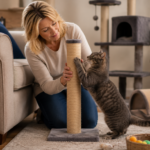
Soft beds, scratching posts, hiding spots, and quiet resting areas help cats feel secure and reduce stress throughout the day.
6. Spend Quality Time Together
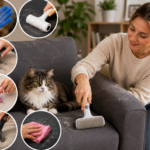
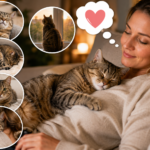
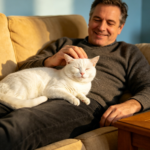
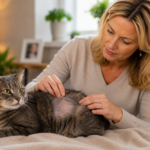
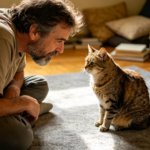
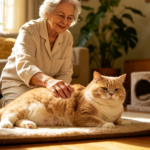
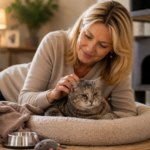
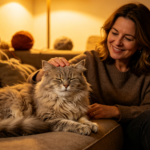
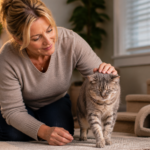
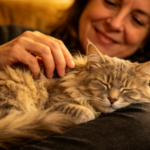
Many people think cats are completely independent, but they also need social interaction. Talking to your cat, brushing their coat, or simply sitting together can strengthen your relationship and provide emotional comfort.
Senior cats especially benefit from gentle attention and predictable routines.
7. Schedule Regular Health Checkups
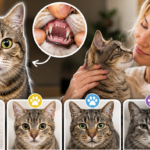
Even healthy indoor cats should receive routine veterinary examinations. Regular checkups can detect dental disease, weight changes, kidney problems, or other conditions before they become serious.
Preventive care is one of the easiest ways to support a long and healthy life.
Conclusion
Keeping an indoor cat happy involves much more than providing food and shelter. Daily play, mental stimulation, proper nutrition, climbing opportunities, and regular companionship all contribute to a healthy lifestyle.
By creating an enriching environment and paying attention to your cat’s physical and emotional needs, you can help your feline companion stay active, confident, and content every day—enjoying a safe indoor life filled with comfort, curiosity, and plenty of fun.
Related posts:
 6 Simple Ways to Boost Senior Cats’ Daily Mental Activity: Prevent Boredom & Cognitive Decline
 10 Essential Tips to Create a Comfortable and Safe Space for Your Senior Cat
 Why Senior Cats Stop Playing and How to Encourage Them to Stay Active
 How Often Should Senior Cats Get Checkups and How to Prepare
 Top 7 Ways to Make Your Senior Cat Live Longer and Happier
 What Can Owners Do to Help Senior Cats Live Longer and Good Health
 How Often Should Senior Cats Visit the Vet? A Complete Health Check Guide
 Best Ways to Introduce a New Kitten to an Older Cat Successfully
 6 Simple Daily Routines to Help Extend Your Senior Cat’s Lifespan and Improve Quality of Life
 8 Solutions for Senior Cat Lethargy and Sleepiness to Restore Energy and Vitality