

































What Can Owners Do to Help Senior Cats Live Longer and Good Health
As cats enter their senior years (11 years and older), their bodies and needs change, but with the right care from owners, they can live longer, healthier, and happier lives. Senior cats are more prone to age-related health issues—kidney disease, arthritis, cognitive decline, and dental problems—but many of these can be managed or prevented with intentional daily care. The key is to prioritize their physical, mental, and emotional well-being through simple, consistent habits. This article shares practical steps owners can take to help their senior cats thrive and extend their golden years.
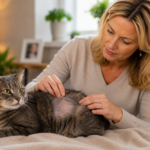
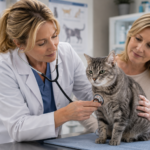
First, prioritize regular veterinary care. Twice-yearly checkups are non-negotiable for seniors, as they allow vets to detect hidden health issues early—when treatment is most effective. These checkups include blood work, urine tests, and physical exams to monitor kidney function, thyroid levels, and joint health. For cats with pre-existing conditions, follow your vet’s advice for more frequent visits and medication management. Never skip checkups, even if your cat seems healthy—many age-related issues are asymptomatic in early stages.
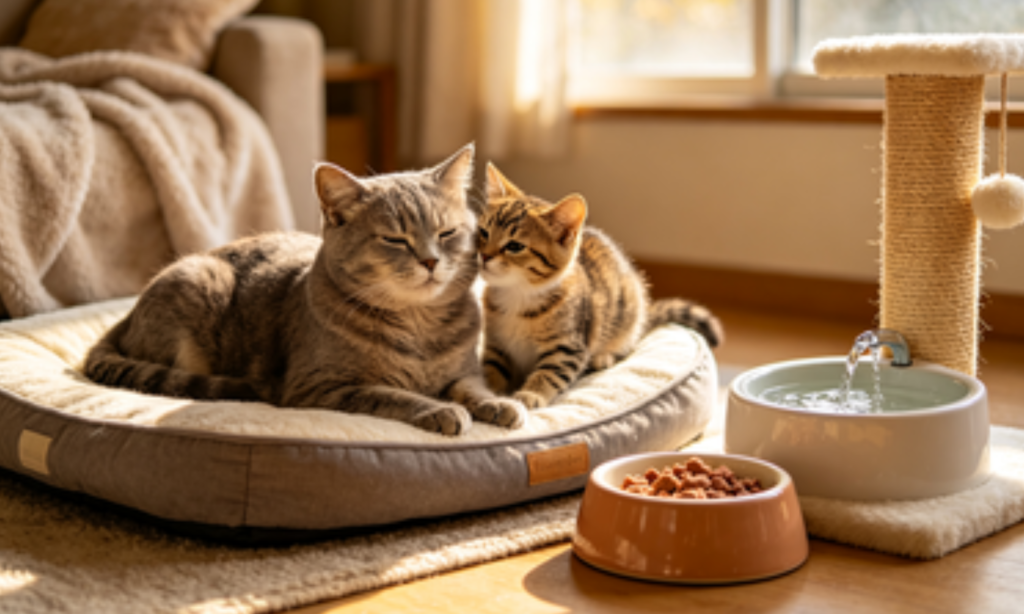
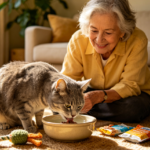
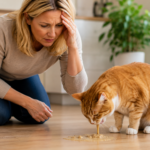
A nutritious, age-appropriate diet is foundational to senior cat health. Choose high-quality senior cat food formulated for their needs: lower calories to prevent weight gain, higher protein to maintain muscle mass, and added nutrients like joint supplements (glucosamine) and antioxidants to support overall health. Avoid overfeeding, as obesity worsens arthritis and other health problems. If your cat has dental issues or reduced appetite, opt for wet food or soften dry kibble with water to make eating easier. Always provide fresh, clean water to prevent dehydration, a common risk for seniors.
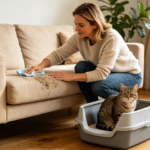
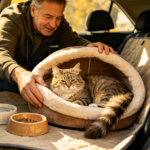
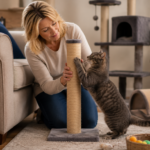
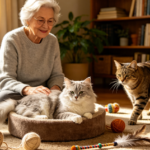
Support mobility and joint health to keep your senior cat active. Arthritis is common in older cats, so provide soft, warm beds in quiet areas and place food, water, and the litter box on the ground to avoid jumping. Add ramps or low steps to help them access favorite spots (like couches or beds) without straining. Gentle, low-intensity play sessions (5–10 minutes daily) help maintain muscle strength and mobility—use soft toys and slow movements to avoid discomfort.
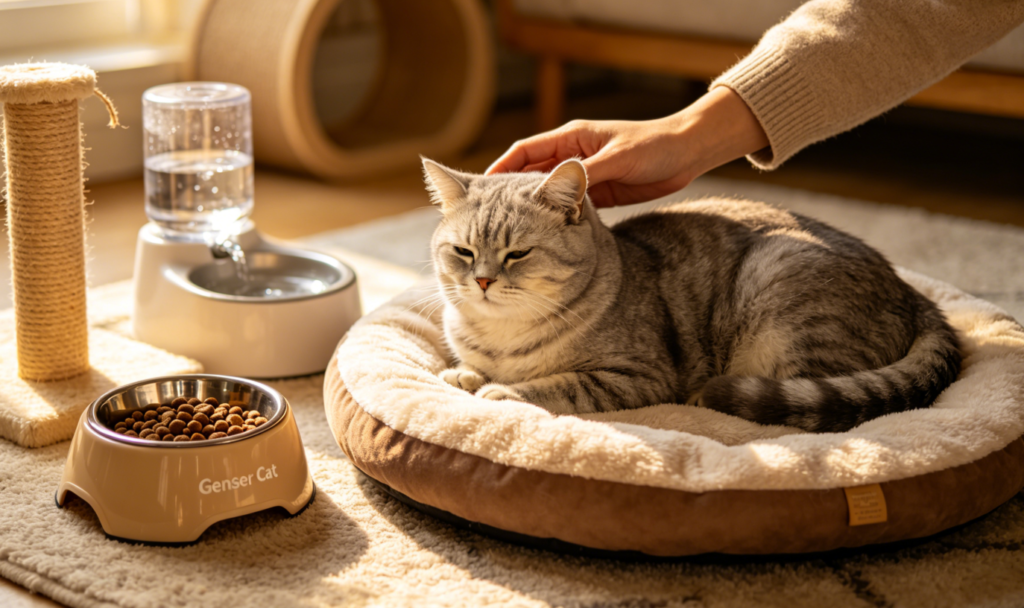
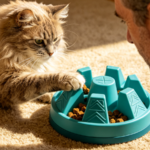
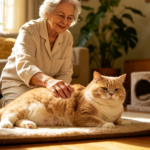
Nurture mental health and emotional well-being to prevent cognitive decline and stress. Establish a consistent daily routine for feeding, play, and cuddles—predictability helps seniors feel secure. Provide mental stimulation with treat-dispensing puzzles or slow-moving toys to keep their minds active. Give them plenty of attention and respect their need for space; some seniors become more clingy, while others prefer solitude. Avoid sudden changes to their environment, as stress can weaken their immune system.
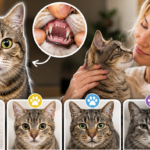
Maintain good dental hygiene to avoid painful dental issues that can affect overall health. Brush your senior cat’s teeth gently with a cat-specific toothbrush and toothpaste, or use dental treats and toys to reduce plaque buildup. If your cat resists brushing, consult your vet for professional cleanings or alternative dental care options.
In conclusion, helping senior cats live longer, healthier lives requires consistency, patience, and intentional care. By prioritizing vet checkups, a nutritious diet, mobility support, mental stimulation, and dental care, owners can significantly improve their senior cat’s quality of life and extend their lifespan. Remember, small daily habits make a big difference—your love and care are the most powerful tools to help your senior feline thrive in their golden years.
Related posts:
 Senior Cat Grooming Tips for Older Cats With Matted Fur
 How to Care for a Senior Cat in Its Final Years: Essential Tips Every Cat Owner Should Know
 10 Essential Tips to Create a Comfortable and Safe Space for Your Senior Cat
 10 Summer Care Tips to Protect Senior Cats From Heatstroke Every Pet Owner Should Follow
 Why Senior Cats Stop Playing and How to Encourage Them to Stay Active
 How Often Should Senior Cats Get Checkups and How to Prepare
 Top 7 Ways to Make Your Senior Cat Live Longer and Happier