
















How Often Should Senior Cats Get Checkups and How to Prepare
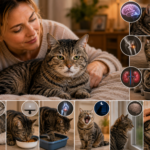
As cats enter their senior years (typically 11 years and older), their bodies undergo significant changes, making regular vet checkups more critical than ever. Unlike young cats, seniors are more prone to age-related health conditions—chronic kidney disease, hyperthyroidism, arthritis, and cognitive dysfunction, to name a few—and many of these issues develop slowly, with subtle symptoms that are easy to miss. For cat owners, knowing how often to schedule checkups and how to prepare for them ensures early detection of health problems, timely treatment, and a higher quality of life for their beloved senior feline. This guide breaks down the ideal checkup frequency for senior cats and practical steps to prepare, taking the stress out of vet visits for both you and your pet.
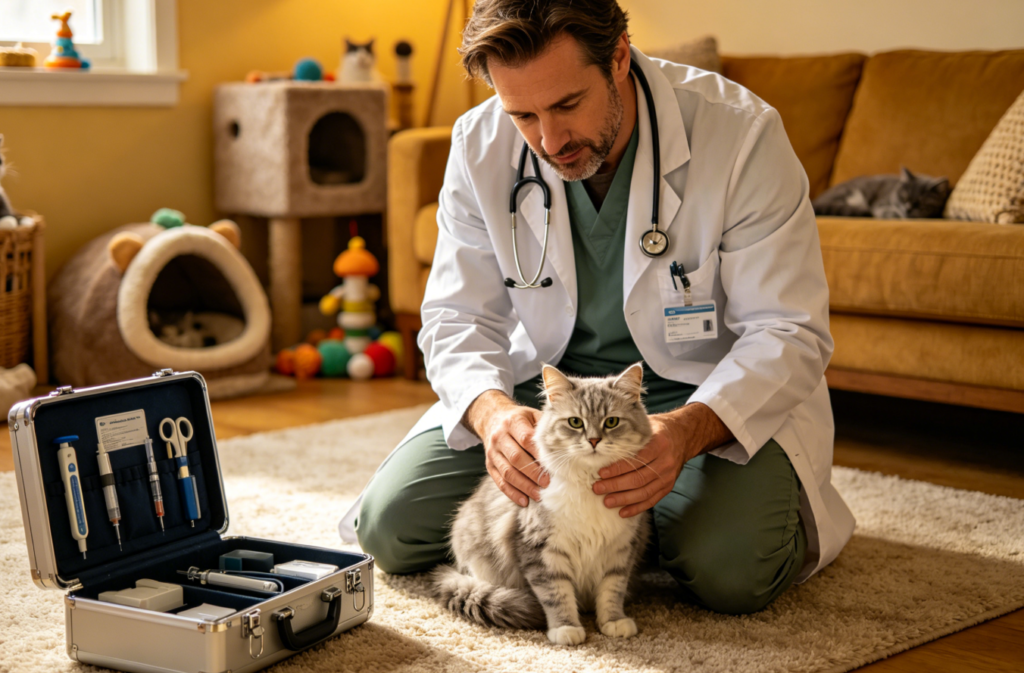
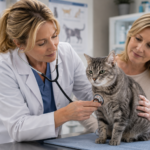
First, let’s address the key question: how often should senior cats get checkups? The general recommendation from veterinarians is twice a year—every 6 months—for cats 11 to 14 years old. For cats 15 years and older (considered “geriatric”), more frequent checkups—every 4 to 6 months—are often advised. This higher frequency is because geriatric cats are at increased risk of serious health issues, and more regular monitoring allows vets to catch problems in their earliest stages, when treatment is most effective.
Why twice a year instead of the annual checkups recommended for younger cats? Senior cats’ health can decline rapidly; a condition that is mild at one checkup could progress significantly in just 6 months. Twice-yearly checkups include comprehensive exams, blood work, urine tests, and other diagnostics that can detect hidden issues—like early kidney disease or thyroid imbalances—before they cause noticeable symptoms or irreversible damage. For senior cats with pre-existing health conditions (e.g., diabetes, kidney disease), your vet may recommend even more frequent visits to monitor their condition and adjust treatment plans as needed.
It’s important to note that even if your senior cat seems healthy—eating well, sleeping normally, and showing no signs of distress—regular checkups are still essential. Many age-related conditions are asymptomatic in their early stages, and only a vet can detect them through diagnostics. Skipping checkups can lead to late diagnosis, making treatment more difficult and reducing your cat’s quality of life.
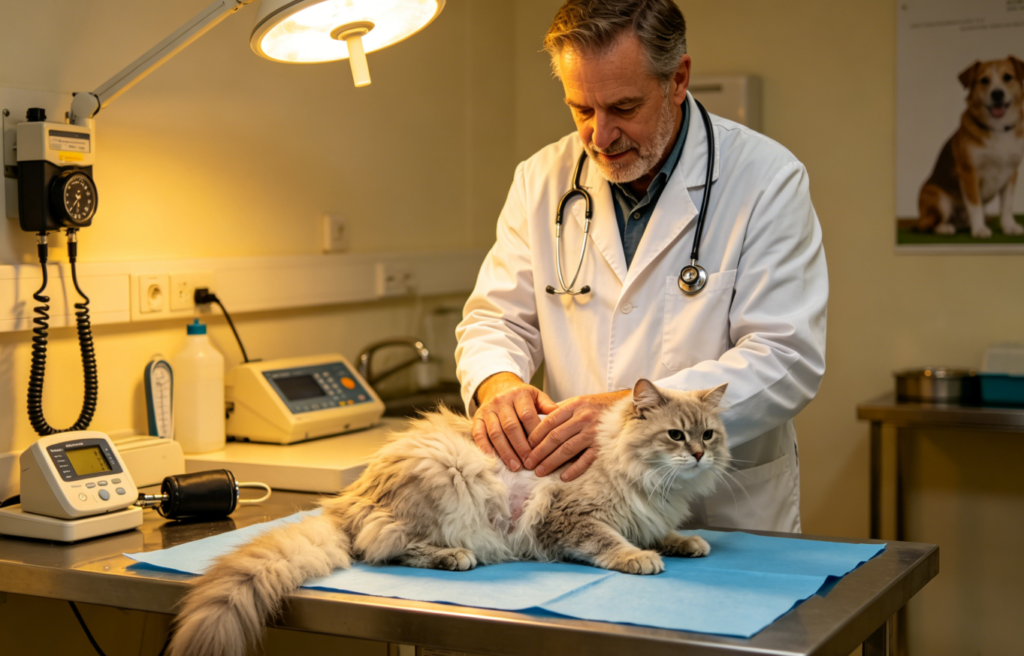
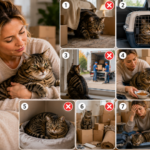
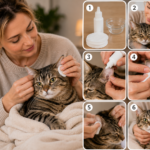
Now, let’s explore how to prepare for your senior cat’s checkup to ensure the visit is smooth, stress-free, and productive. Preparation not only helps your vet get accurate information but also keeps your cat calm and comfortable during the visit.
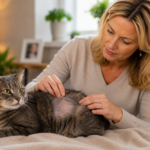
- Gather Important Health Information – Before the visit, make notes of any changes in your cat’s behavior, appetite, sleep patterns, or physical condition. This includes weight loss or gain, changes in litter box habits (increased thirst, frequent urination, or accidents), lethargy, limping, changes in grooming, or unusual vocalizations. Share these details with your vet—they provide valuable clues about your cat’s health. Also, bring your cat’s medical records if you’re seeing a new vet, including previous checkup results, vaccination history, and any medications or supplements your cat is taking.
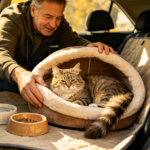
- Prepare for the Physical Exam – Senior cats may have mobility issues, so bring a comfortable carrier lined with a soft blanket or towel to keep them secure and warm. If your cat struggles to walk, consider using a pet stroller or carrying them gently to avoid causing pain. Avoid feeding your cat a large meal 2–3 hours before the visit—this can make them uncomfortable during the exam and may interfere with blood work if needed. However, do provide access to fresh water until the visit.
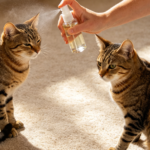
- Address Anxiety and Stress – Many cats feel anxious about vet visits, and senior cats are often more sensitive to stress. To help them relax, place a piece of your clothing (with your scent) in the carrier—this provides comfort and familiarity. You can also use a pheromone spray (like Feliway) in the carrier and exam room to calm your cat. If your cat is extremely anxious, talk to your vet about mild sedation before the visit to make the experience less traumatic.
- Prepare Questions for Your Vet – Take time to write down any questions or concerns you have about your senior cat’s health, diet, exercise, or behavior. Common questions include: Is my cat’s weight healthy? What diet is best for their age or health condition? How can I manage joint pain or cognitive decline? Are there any supplements that would benefit them? Having these questions ready ensures you don’t forget anything during the visit and helps you make informed decisions about your cat’s care.
- Plan for Follow-Up Care – After the checkup, your vet may recommend additional tests (e.g., X-rays, ultrasound) or changes to your cat’s care (medications, diet adjustments). Be prepared to schedule follow-up visits as needed and to adhere to the vet’s recommendations. Keep a record of any instructions or medications to ensure you’re providing the best possible care at home.
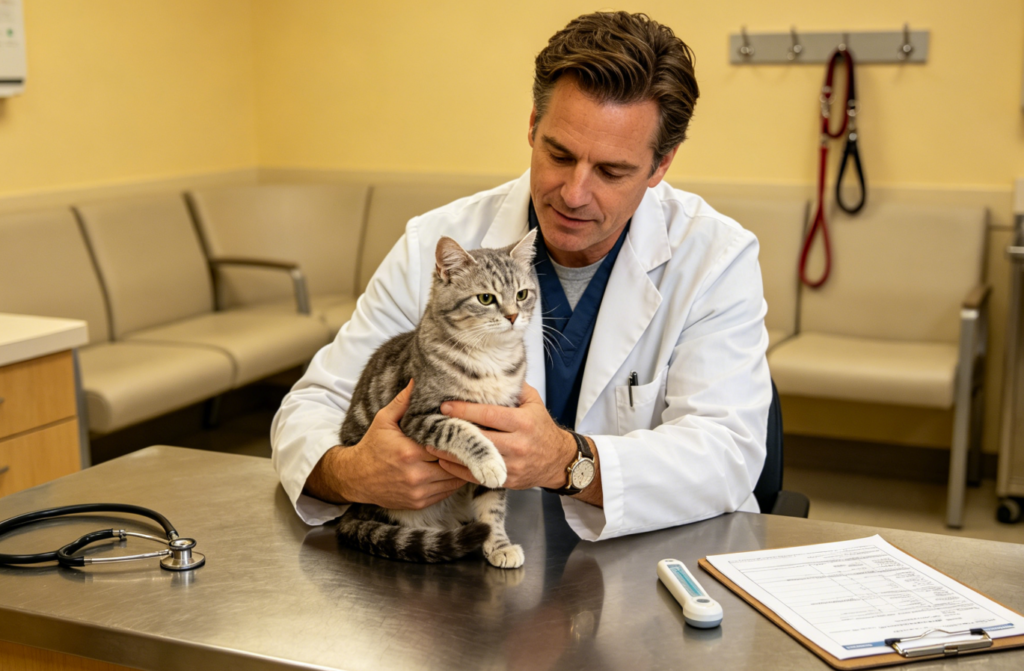
In conclusion, regular checkups are a cornerstone of senior cat care. Twice-yearly visits for cats 11–14 years old and more frequent visits for geriatric cats help detect health issues early and keep your cat comfortable. By gathering health information, preparing a comfortable environment, addressing stress, and asking questions, you can make vet visits less stressful and more productive. Remember, your proactive approach to checkups and preparation is key to helping your senior cat live a long, healthy, and happy life.
Related posts:
 Senior Cat Grooming Tips for Older Cats With Matted Fur
 How to Care for a Senior Cat in Its Final Years: Essential Tips Every Cat Owner Should Know
 10 Essential Tips to Create a Comfortable and Safe Space for Your Senior Cat
 10 Summer Care Tips to Protect Senior Cats From Heatstroke Every Pet Owner Should Follow
 Why Senior Cats Stop Playing and How to Encourage Them to Stay Active