

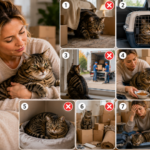





































7 Mistakes When Moving Homes With Senior Cats and How to Avoid Them
Moving to a new home can be stressful for anyone, but it can be especially challenging for senior cats. Older cats thrive on routine and familiarity, and sudden changes to their environment can cause anxiety, confusion, and even health problems. Fortunately, with proper planning, you can make the transition much smoother for your aging feline companion.
Here are seven common mistakes owners make when moving with senior cats—and how to avoid them.
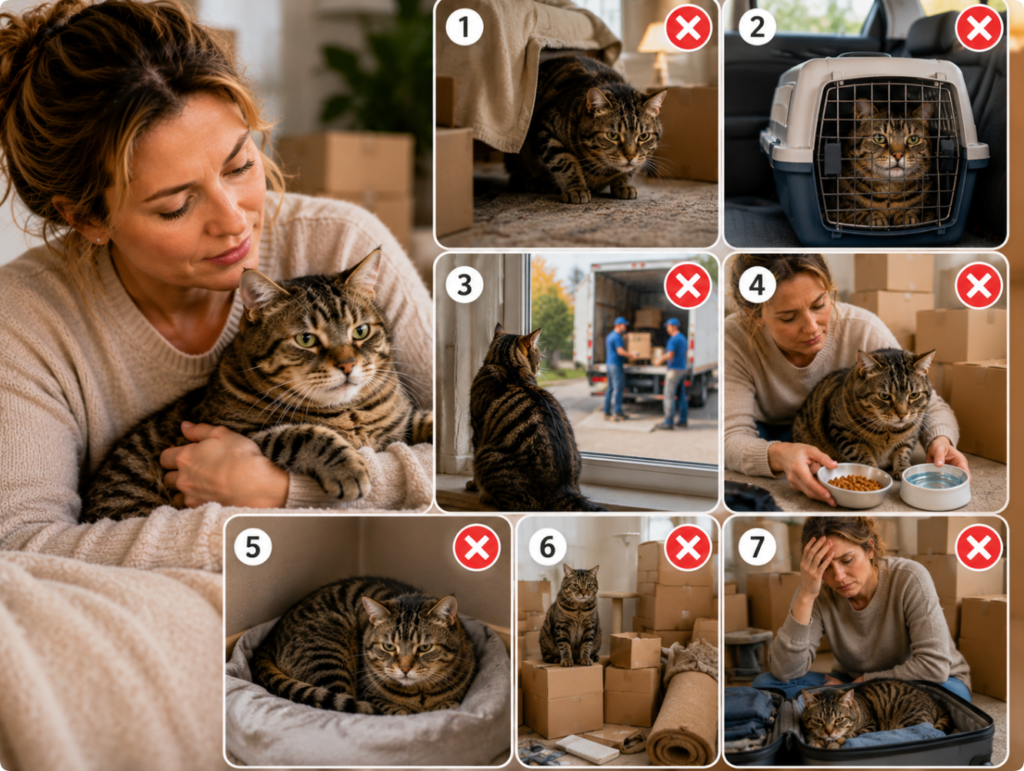
1. Waiting Until Moving Day to Prepare Your Cat
Many owners focus on packing boxes and forget that their cat needs time to adjust to upcoming changes. Sudden disruptions can increase stress and anxiety.
How to Avoid It: Introduce moving boxes gradually and maintain your cat’s normal feeding, sleeping, and play routines as much as possible before the move.
2. Letting Your Cat Roam During the Move
Moving day is often noisy and chaotic, with open doors, unfamiliar people, and heavy furniture being moved. This creates a high risk of escape.
How to Avoid It: Keep your senior cat in a quiet, secure room with food, water, a litter box, and familiar bedding until all moving activity is complete.
3. Using an Unfamiliar Carrier
If your cat only sees the carrier during stressful events, such as vet visits or moving day, it may become frightened and resistant.
How to Avoid It: Leave the carrier open several weeks before the move and place treats, blankets, or toys inside so your cat develops positive associations.
4. Forgetting About Medical Needs
Senior cats often have age-related conditions that require medication, special diets, or ongoing treatment. These needs can easily be overlooked during a busy move.
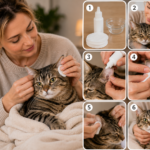
How to Avoid It: Pack medications, medical records, prescription food, and emergency veterinary contact information in a separate, easily accessible bag.
5. Introducing the Entire New Home Immediately
A large unfamiliar environment can overwhelm a senior cat, especially one experiencing vision loss, hearing decline, or cognitive changes.
How to Avoid It: Start with one quiet room containing familiar items such as your cat’s bed, litter box, food bowls, and favorite toys. Gradually allow access to additional rooms.
6. Changing Too Many Things at Once
Some owners buy new litter boxes, beds, or feeding stations immediately after moving. While well-intentioned, too many changes can increase stress.
How to Avoid It: Keep familiar belongings, bedding, litter, and food whenever possible until your cat feels comfortable in the new environment.
7. Ignoring Signs of Stress
Senior cats often express stress through hiding, excessive vocalization, appetite loss, litter box accidents, or overgrooming. These behaviors should not be ignored.
How to Avoid It: Monitor your cat closely during the first few weeks after the move. If symptoms persist or worsen, consult your veterinarian for advice.
Additional Tips for a Smooth Transition
Place familiar blankets around the house to spread comforting scents. Keep feeding schedules consistent and spend extra time reassuring your cat. Patience is essential, as some senior cats may require several weeks to fully adjust to a new home.
Conclusion
Moving with a senior cat requires more preparation than moving with a younger pet, but avoiding these common mistakes can greatly reduce stress and confusion. By maintaining familiar routines, providing a safe space, and paying close attention to your cat’s emotional and physical needs, you can help your aging companion adapt successfully.
With patience, consistency, and plenty of reassurance, your senior cat can settle into their new home comfortably and continue enjoying a happy, healthy life by your side.
Related posts:
 6 Reasons Why Senior Cats Meow Loudly at Night and How to Help Them
 How to Care for a Senior Cat in Its Final Years: Essential Tips Every Cat Owner Should Know
 Common Health Problems in Senior Cats and Warning Signs Every Owner Should Know
 10 Warning Signs You Should Take Your Senior Cat to the Vet
 6 Useful Tips for Traveling With Senior Cats Safely and Comfortably
 Top Joint Supplements for Senior Cats to Reduce Pain and Improve Movement
 When Is a Cat Considered Senior? Cat Age and Aging Explained
 8 Solutions for Senior Cat Lethargy and Sleepiness to Restore Energy and Vitality
 8 Practical Solutions for Senior Cat Lethargy and Excessive Sleepiness
 7 Strange Behaviors That Mean Your Senior Cat Is Unwell: Warning Signs & Vet Advice