



































Common Health Problems in Senior Cats and Warning Signs Every Owner Should Know
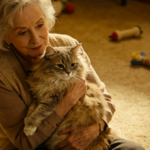
As cats grow older, their bodies go through many changes that can affect their overall health and quality of life. Senior cats, generally considered to be cats over the age of 10, are more vulnerable to certain illnesses and age-related conditions. While aging itself is natural, understanding the most common health problems in elderly cats can help owners recognize warning signs early and provide better care.
One of the most common issues in senior cats is kidney disease. Aging kidneys gradually lose efficiency, making it harder for the body to filter waste properly. Early warning signs often include increased thirst, frequent urination, weight loss, and reduced appetite. Because symptoms may develop slowly, many owners do not notice the problem until it becomes more serious.
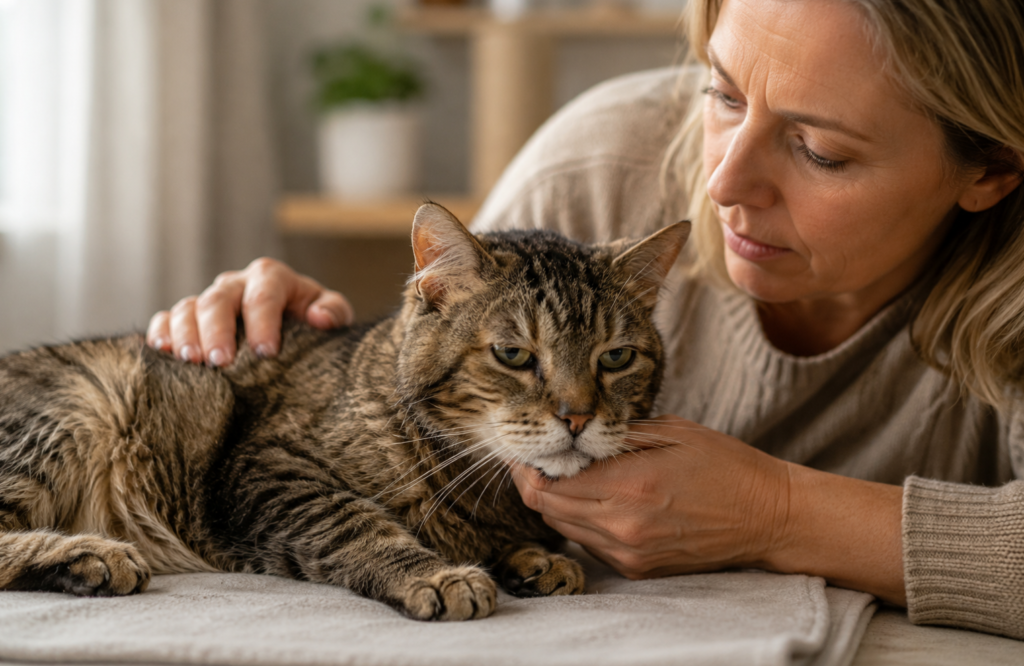
Arthritis is another widespread condition among older cats. Many people assume cats naturally become less active with age, but stiffness and reduced movement are often caused by joint pain. A cat with arthritis may hesitate to jump, avoid stairs, sleep more often, or become irritable when touched. Providing soft bedding, pet ramps, and easy access to food and litter boxes can help improve comfort.
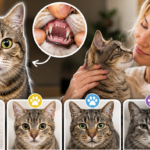
Dental disease is also extremely common in elderly cats. Gum infections, tooth decay, and oral pain can make eating difficult. Warning signs include bad breath, drooling, pawing at the mouth, and difficulty chewing. Untreated dental problems may also lead to infections that affect other organs.
Hyperthyroidism is another condition frequently seen in senior cats. This disorder causes the thyroid gland to become overactive, speeding up the cat’s metabolism. Cats with hyperthyroidism may lose weight rapidly despite eating more food than usual. Increased vocalization, restlessness, vomiting, and excessive thirst are also common symptoms.
Diabetes can also affect aging cats, especially overweight cats. Symptoms may include increased drinking, frequent urination, sudden weight loss, and low energy levels. Early diagnosis and proper treatment can help cats live comfortably for many years.
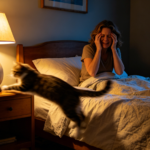
Cognitive decline, sometimes compared to dementia in humans, may also appear in very old cats. Senior cats with cognitive issues may seem confused, wander at night, forget litter box habits, or behave differently than before. Keeping routines consistent and reducing stress can help elderly cats feel more secure.
Owners should also pay attention to subtle behavioral changes. Cats are naturally skilled at hiding pain and illness. Small changes such as hiding more often, grooming less, sleeping excessively, or becoming less social can sometimes indicate underlying health problems.
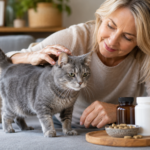
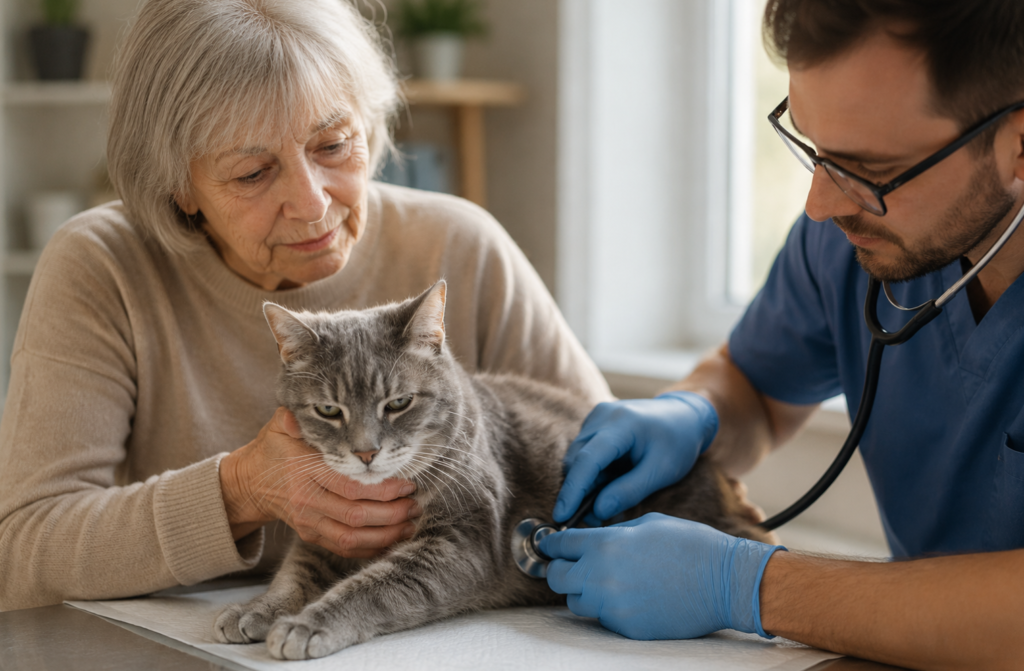
Regular veterinary checkups become increasingly important as cats age. Many diseases can be managed more successfully when detected early. Blood tests, dental exams, and routine monitoring help identify problems before they become severe.
Growing old does not mean a cat cannot enjoy a happy and comfortable life. With proper care, early medical attention, and a loving environment, senior cats can continue to thrive and share many meaningful years with their owners.
Related posts:
 How to Care for a Senior Cat in Its Final Years: Essential Tips Every Cat Owner Should Know
 Senior Cat Not Eating? Common Causes and Simple Solutions Every Owner Should Know
 Senior Cat Grooming Tips for Older Cats With Matted Fur
 10 Essential Tips to Create a Comfortable and Safe Space for Your Senior Cat
 10 Summer Care Tips to Protect Senior Cats From Heatstroke Every Pet Owner Should Follow
 Why Senior Cats Stop Playing and How to Encourage Them to Stay Active
 How Often Should Senior Cats Get Checkups and How to Prepare
 Top 7 Ways to Make Your Senior Cat Live Longer and Happier
 What Can Owners Do to Help Senior Cats Live Longer and Good Health
 Simple Home Changes That Can Improve Life for Your Elderly Cat